Research Overview
Two different molecules, depending on concentration
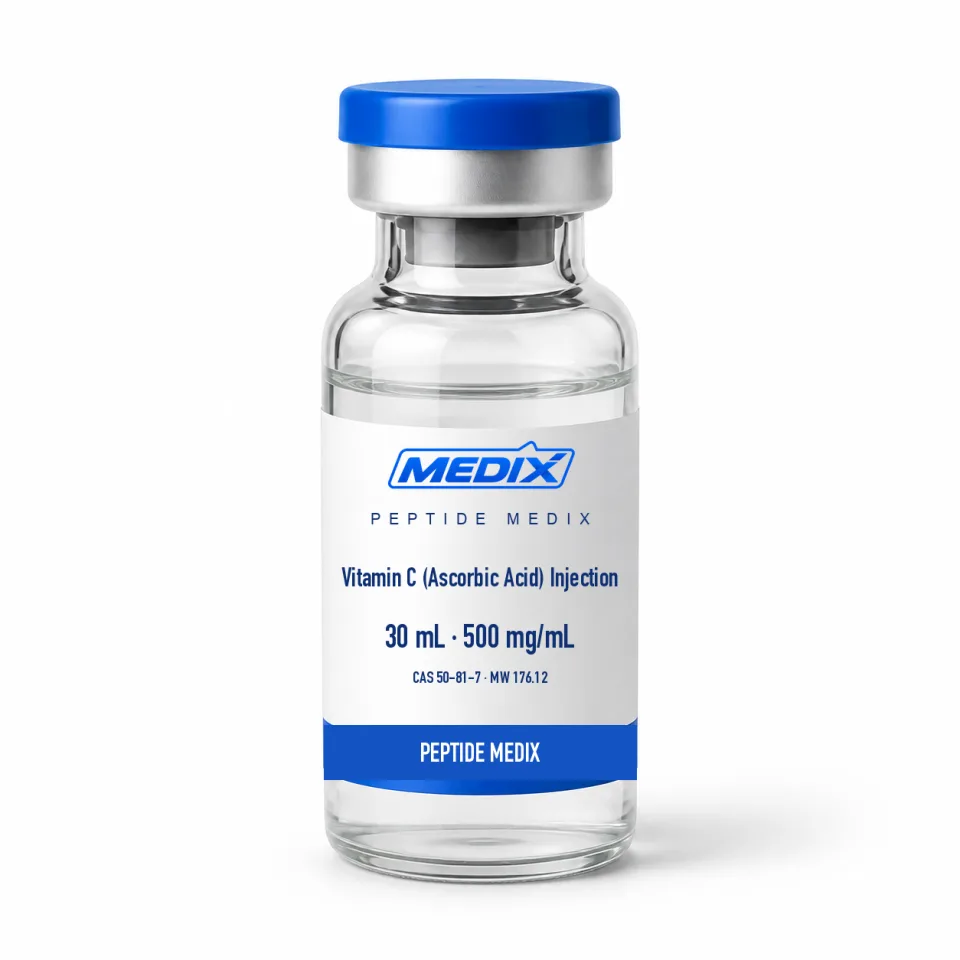
At the millimolar concentrations reached by dietary intake, ascorbate acts as a chain-breaking antioxidant and an enzyme cofactor. At the much higher concentrations attainable only by parenteral routes, published work describes a reversal of character: ascorbate reduces catalytic metal ions in extracellular fluid, driving formation of ascorbyl radical and hydrogen peroxide. Almost every disagreement in this literature traces back to whether a given study modelled the physiologic or the pharmacologic regime.
Cofactor biochemistry
- Collagen maturation, where prolyl-4-hydroxylase and lysyl hydroxylase require ascorbate to keep iron reduced; the classical scurvy phenotype follows from their failure
- Catecholamine synthesis through copper-dependent dopamine beta-hydroxylase
- Carnitine biosynthesis via two dioxygenase steps
- 2-oxoglutarate-dependent dioxygenases, including TET methylcytosine dioxygenases and the HIF prolyl hydroxylases — the reason ascorbate features in epigenetic reprogramming and hypoxia-signalling papers
High-concentration ascorbate has been examined in tumour-cell and xenograft models on the peroxide-generation hypothesis, with reported sensitivity differences linked to catalase activity and iron availability. Separate work has examined ascorbate in sepsis and critical-illness models, alone and in combination with thiamine and corticosteroids; human trial results in that area have been mixed and are not settled.