Research Overview
Zinc as a cofactor variable
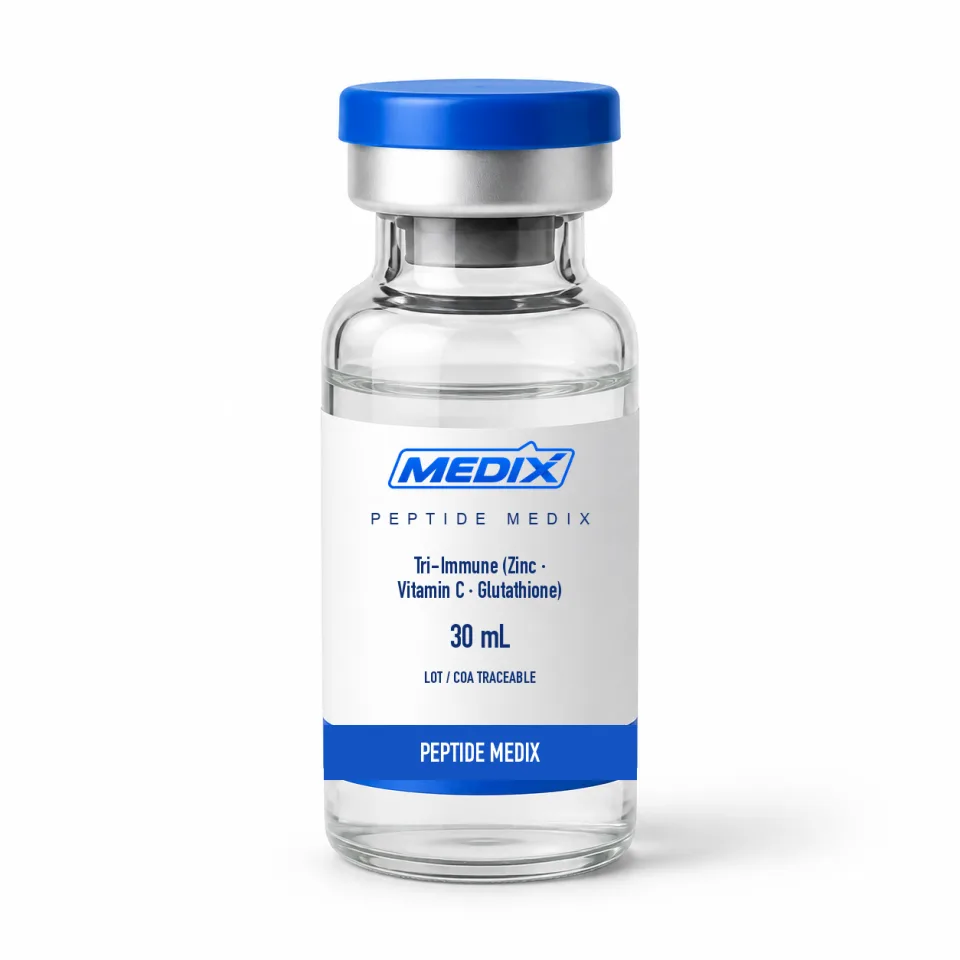
Zinc is required by hundreds of metalloenzymes and by the zinc-finger motifs of many transcription factors. Experimental zinc restriction in animal models has been reported to reduce thymic mass and alter lymphocyte subsets, and zinc availability affects metallothionein expression and intracellular free-zinc signalling. Because zinc is redox-inert in biological systems, it acts through coordination chemistry rather than electron transfer.
Ascorbate: reductant and enzyme cofactor
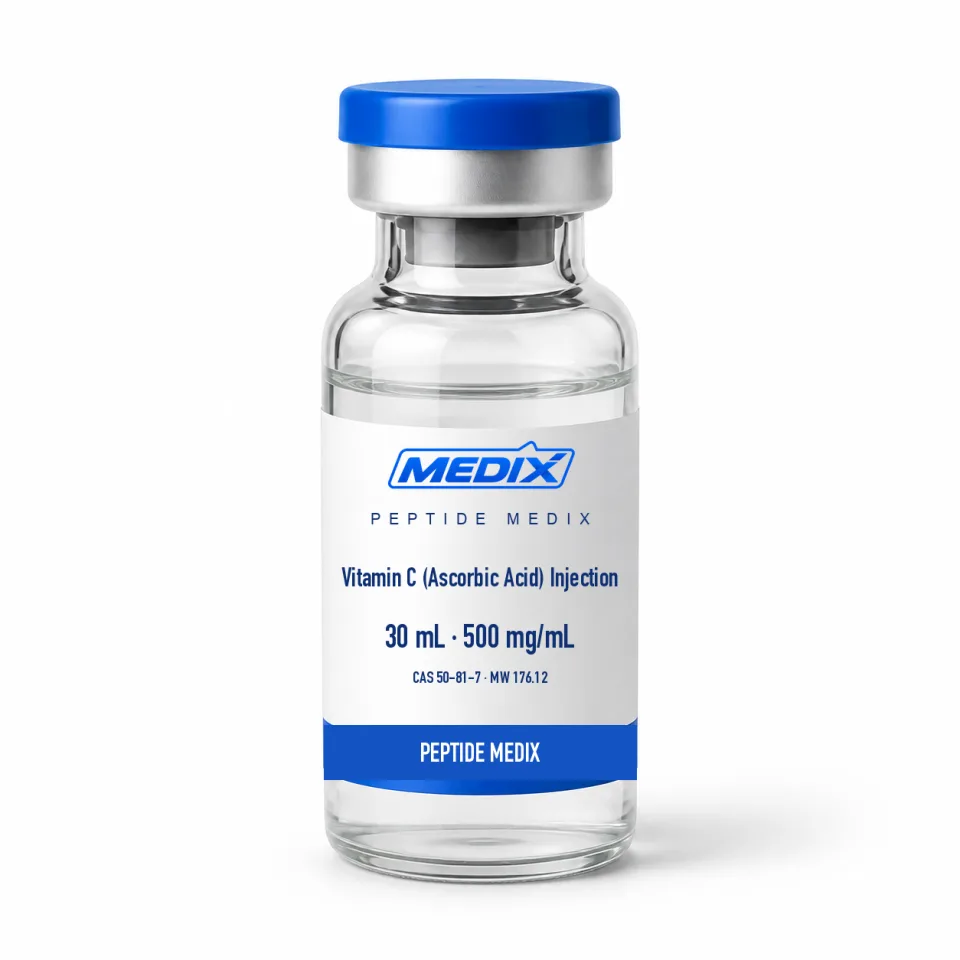
Ascorbic acid maintains the ferrous state of iron in Fe(II)/2-oxoglutarate-dependent dioxygenases, including the collagen prolyl and lysyl hydroxylases, HIF prolyl hydroxylases and the TET family of DNA demethylases. Beyond that catalytic role, it is a direct radical scavenger. At high concentrations in cell culture it can behave as a pro-oxidant through hydrogen peroxide generation in the presence of transition metals — an effect researchers must control for rather than assume away.
Glutathione and the redox network
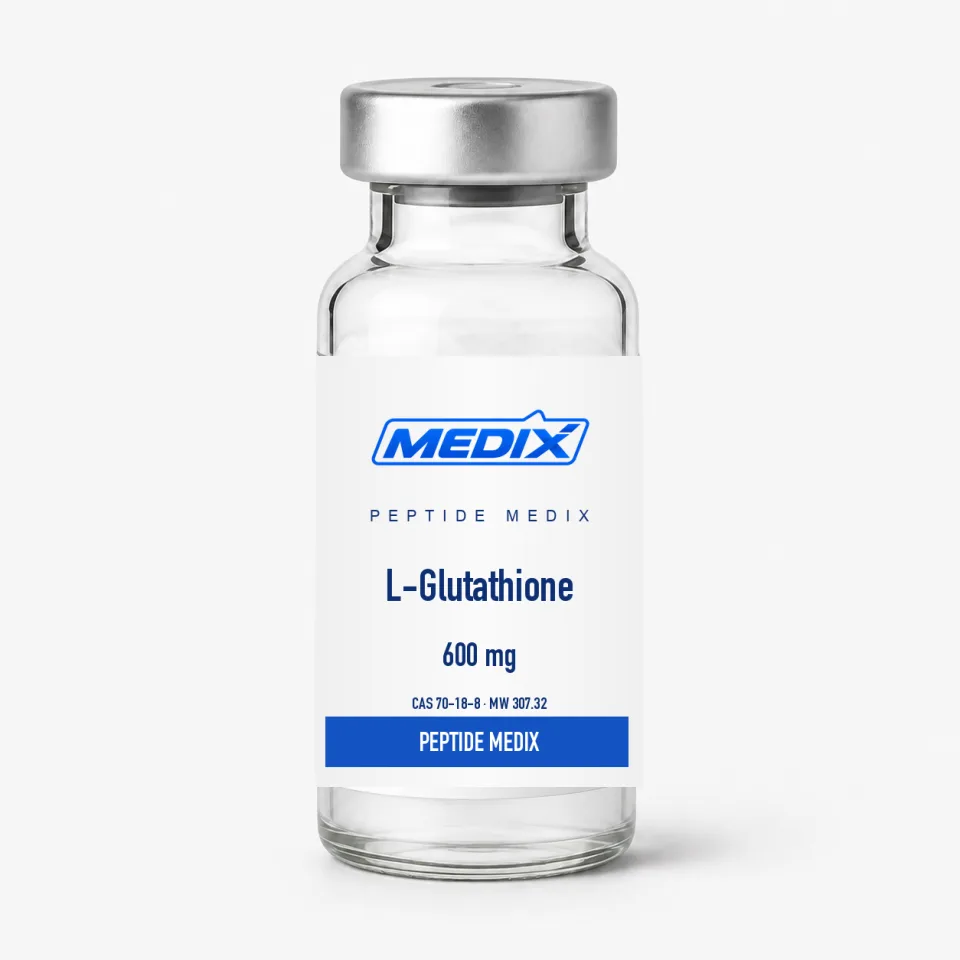
- GSH is the reducing substrate of glutathione peroxidases and the conjugating partner of glutathione S-transferases.
- The GSH/GSSG ratio is a standard quantitative index of cellular redox state.
- Ascorbate and glutathione recycle each other's oxidised forms in the broader antioxidant network, so measuring one in isolation can be misleading.
Why the three are combined
Combined-cofactor preparations let a laboratory hold three inputs constant across an experiment rather than pipetting each separately, which reduces preparation variability in replicate work. The trade-off is that no single component can be varied independently — designs that need to isolate zinc, ascorbate or glutathione should use the single-component products. Analytical verification of each component is standard practice before a study begins.
Evidence limits
The observations above come from cell, tissue and animal studies of micronutrient biology. MyPeptide makes no immune, wellness, energy or health claim, and supplies this material only as a reagent for controlled laboratory investigation.