Peptide Medix product catalog

Peptide Medix

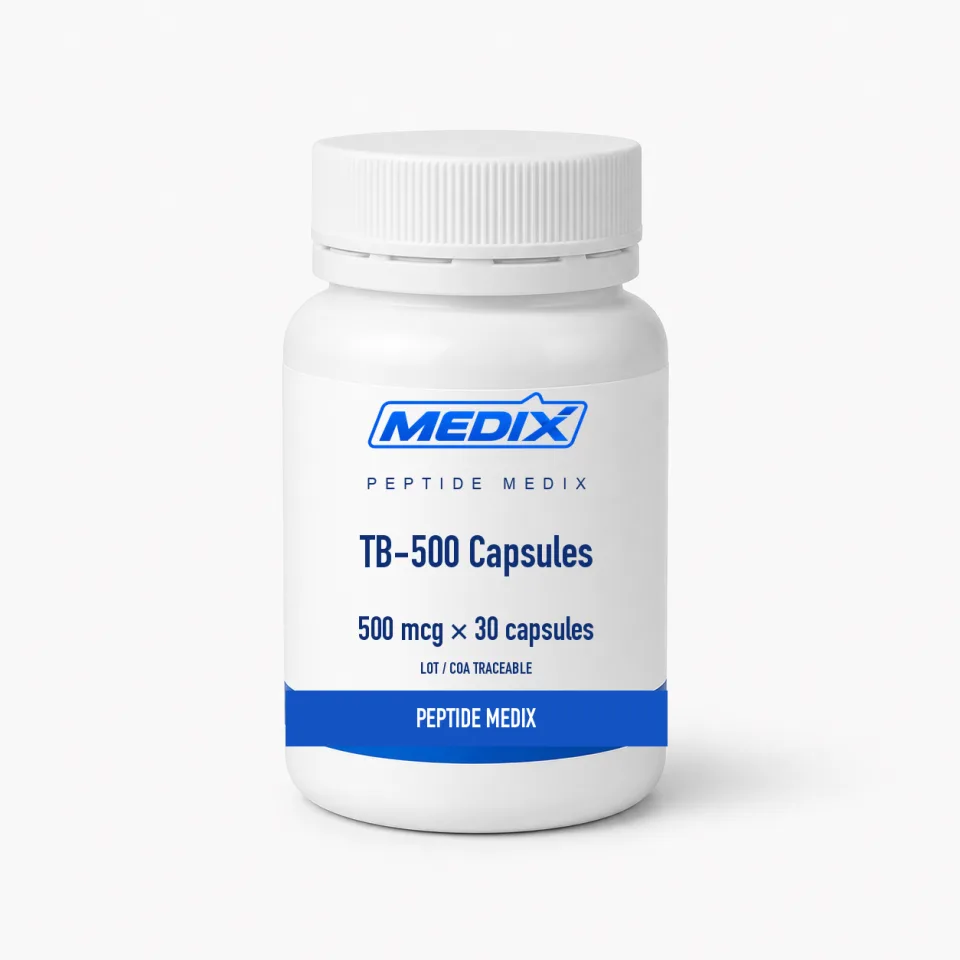
TB-500 Capsules

Oral TB-500 research capsules, 500 mcg per capsule, 30 count

Review catalog details Secure payments
Available to order
$72.00 $85.00 15% OFF
1
Categories: tb-500 capsules , tb-500 , thymosin beta-4 fragment

Choose your delivery method

Standard Shipping is automatically selected at checkout. Customers can upgrade to a faster delivery option anytime.

Overview

TB-500 itself is a heptapeptide, Ac-Leu-Lys-Lys-Thr-Glu-Thr-Gln, corresponding to the actin-binding region of the 43-residue thymosin beta-4 protein. Because the fragment is short and carries an acetylated N-terminus, it is a comparatively robust research peptide, though like all peptides it remains subject to gastric acid and pancreatic protease activity when an oral route is used — which is precisely what route-comparison studies are designed to quantify.

Specifications

Brand Peptide Medix
Category Tissue Repair & Healing Peptides
Form Oral capsule, sealed bottle with tamper-evident closure and desiccant
Peptide per capsule 500 mcg TB-500
Available count 30 capsules
Peptide purity ≥99% by HPLC; lot-matched COA available
Active peptide TB-500, acetylated thymosin beta-4 fragment (residues 17–23)
Amino acid sequence Ac-Leu-Lys-Lys-Thr-Glu-Thr-Gln
Chain length 7 amino acids, N-terminally acetylated
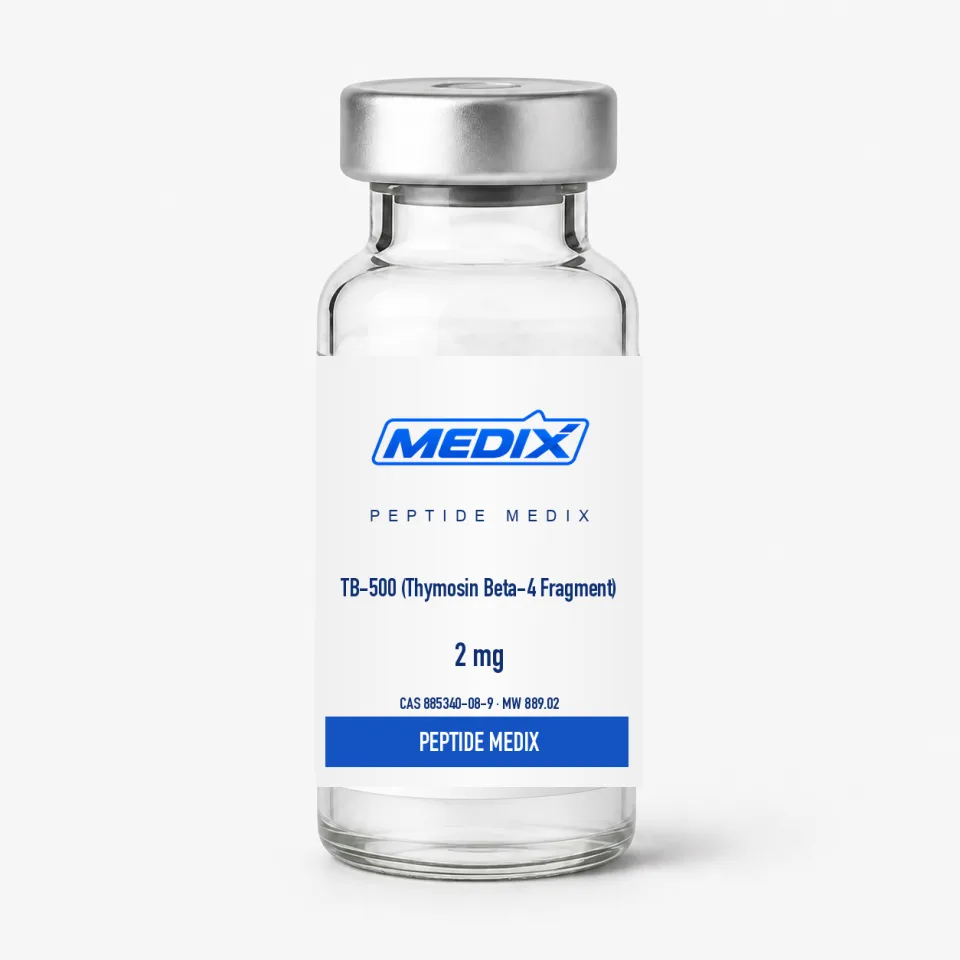
CAS number 885340-08-9
Molecular formula C38H68N10O14
Molecular weight 889.02 g/mol
Parent protein Thymosin beta-4, a 43-residue G-actin sequestering protein
Research areas Cell migration, wound closure, angiogenesis, oral versus parenteral route comparison
Storage Cool, dry conditions away from direct light; refrigeration extends shelf stability
Preparation required None — fixed unit content, no reconstitution step
Options 1 listed
SKU TB-500-CAPSULES-500-MCG-30-CAPSULES

Highlights

  • 500 mcg TB-500 per capsule, 30-count sealed bottle
  • Peptide input tested to ≥99% by HPLC with a lot-matched COA available
  • Active is Ac-Leu-Lys-Lys-Thr-Glu-Thr-Gln, thymosin beta-4 residues 17–23
  • CAS 885340-08-9 · C38H68N10O14 · 889.02 g/mol
  • No reconstitution step — fixed unit content across the whole bottle
  • Used in route-comparison work against the lyophilized vial format
  • Research areas include cell migration, wound closure and angiogenesis models

What's Included

  • The product option and count selected above
  • Final item and quantity confirmed in cart
  • Laboratory-research-use labeling

Research Overview

What the peptide is

Thymosin beta-4 is a small, highly conserved intracellular protein whose principal known function is to bind monomeric G-actin and hold it in a sequestered pool, buffering the free actin available for filament assembly. TB-500 reproduces only the seven-residue stretch containing the actin-binding motif, with the N-terminus acetylated as it is in the native protein. Isolating the motif gives a molecule that is far cheaper to synthesise and easier to characterise analytically than the full protein.

Why a capsule format exists

Peptides are, as a class, poorly absorbed intact from the gastrointestinal tract: gastric acid, pepsin and pancreatic proteases degrade most sequences, and intestinal permeability to molecules of this size is limited. Short, modified peptides tend to fare better than long unmodified ones, and N-terminal acetylation removes one common site of aminopeptidase attack. A fixed-unit oral format lets investigators run that question directly — comparing oral and parenteral arms of the same peptide under otherwise identical conditions — rather than assuming an answer.

Research areas in the literature

  • Fibroblast, endothelial and keratinocyte migration assays
  • Dermal and corneal wound-closure models in rodents and rabbits
  • Angiogenesis endpoints including endothelial tube formation
  • Cardiac remodelling models following induced injury
  • Pharmacokinetic and route-of-administration comparison studies
Reading the evidence

Handling & Storage

Keep the bottle closed, dry and away from direct light and heat, with the supplied desiccant left inside; refrigeration is not required but does extend shelf stability. Peptide powders are hygroscopic, so do not leave the container open in humid conditions and do not transfer capsules into unsealed vessels for storage. Log the lot number from the label against the matching certificate of analysis at the start of a study so unit content stays traceable afterwards. Discard capsules whose shells have softened, discoloured, fused or leaked, since those are signs of moisture ingress.

TB-500 Capsules FAQ

How much peptide is in each capsule?
Each capsule contains 500 micrograms of TB-500 blended with an inert carrier, and every capsule in the 30-count bottle is filled to the same target. The content and the peptide purity for the lot are stated on the certificate of analysis.
Is the peptide the same as in the TB-500 vials?
Yes. The capsules are filled with the same solid-phase synthesised, HPLC-purified TB-500 used for our lyophilized vials — Ac-Leu-Lys-Lys-Thr-Glu-Thr-Gln, CAS 885340-08-9, 889.02 g/mol. Only the presentation differs.
Why choose capsules over a vial?
A capsule removes the reconstitution step entirely, so the amount per unit is fixed and identical across the bottle. That suits studies with many time points or subjects where repeated preparation would add avoidable variability, and it makes oral-route comparison arms straightforward to set up.
Are peptides absorbed orally?
Only partially, as a class. Gastric acid and pancreatic proteases degrade most peptides and intestinal permeability limits uptake of molecules this size. Short acetylated sequences tend to fare better than long ones, and quantifying that difference is exactly what route-comparison research is for.
How is purity verified and is a COA supplied?
The peptide input is analysed by reversed-phase HPLC to at least 99% purity with mass-spectrometric identity confirmation. A certificate of analysis matched to the lot number printed on your bottle is available on request at any point before or after purchase.
How should the capsules be stored?
Keep the bottle sealed, cool and dry, out of direct light, with the desiccant in place. Refrigeration is optional but extends stability. Avoid humid environments and do not decant the capsules into other containers for long-term storage.
Can these be taken by people?
No. They are supplied for laboratory research only and are not a supplement, food or medicine. No dosing, protocol or administration guidance for humans or animals is provided with the product.

This catalog listing is for laboratory research use only. It is not represented as a drug, food, supplement, cosmetic or diagnostic product, and it is not offered for human or veterinary use.

Customer Reviews

0 reviews
5 star
0%
4 star
0%
3 star
0%
2 star
0%
1 star
0%

Leave Your Review

Rating

No reviews yet — be the first!

Leave Your Review

Rating

Keep exploring

Related Products & Shopping Guides

Compare TB-500 Capsules with relevant categories, product topics, and practical shopping information.

Often researched together

Related research peptides, blends and lab supplies frequently ordered with TB-500 Capsules.

15% OFF
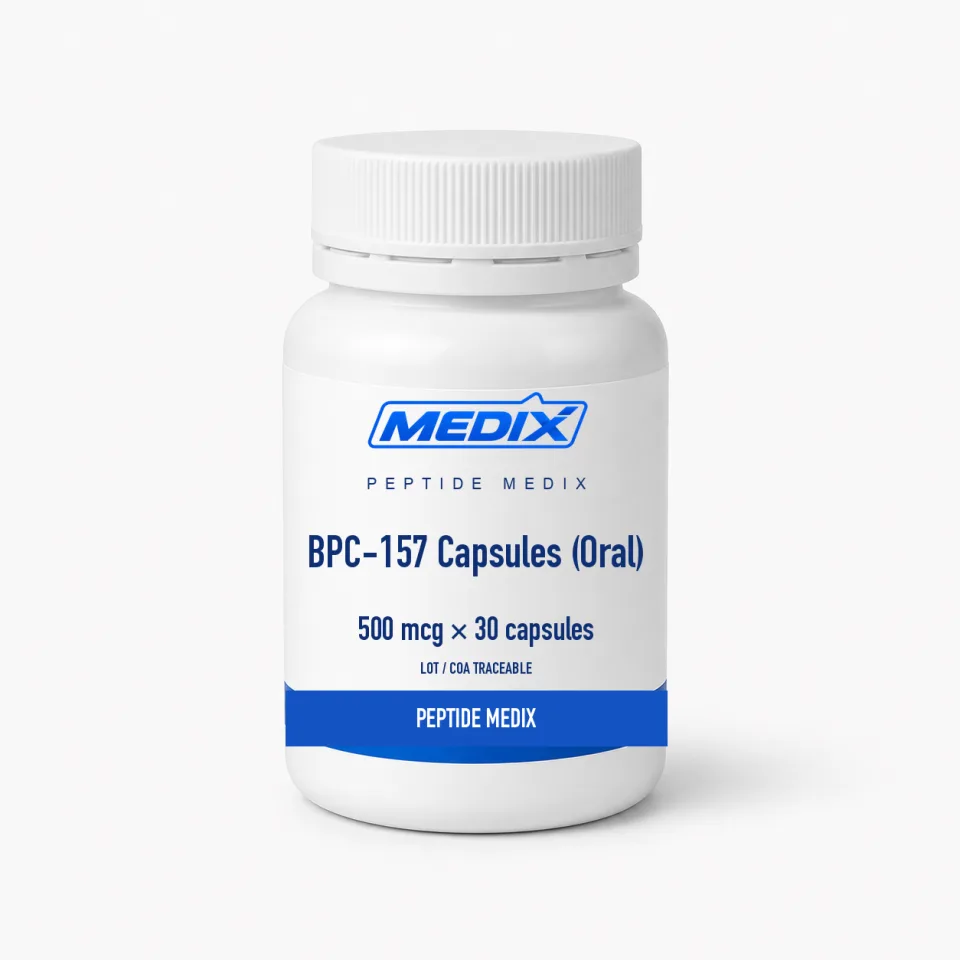
BPC-157 Capsules (Oral)

Peptide Medix

BPC-157 Capsules (Oral)

bpc-157 capsules

2 options

$68.00 $80.00

View options and product details

15% OFF
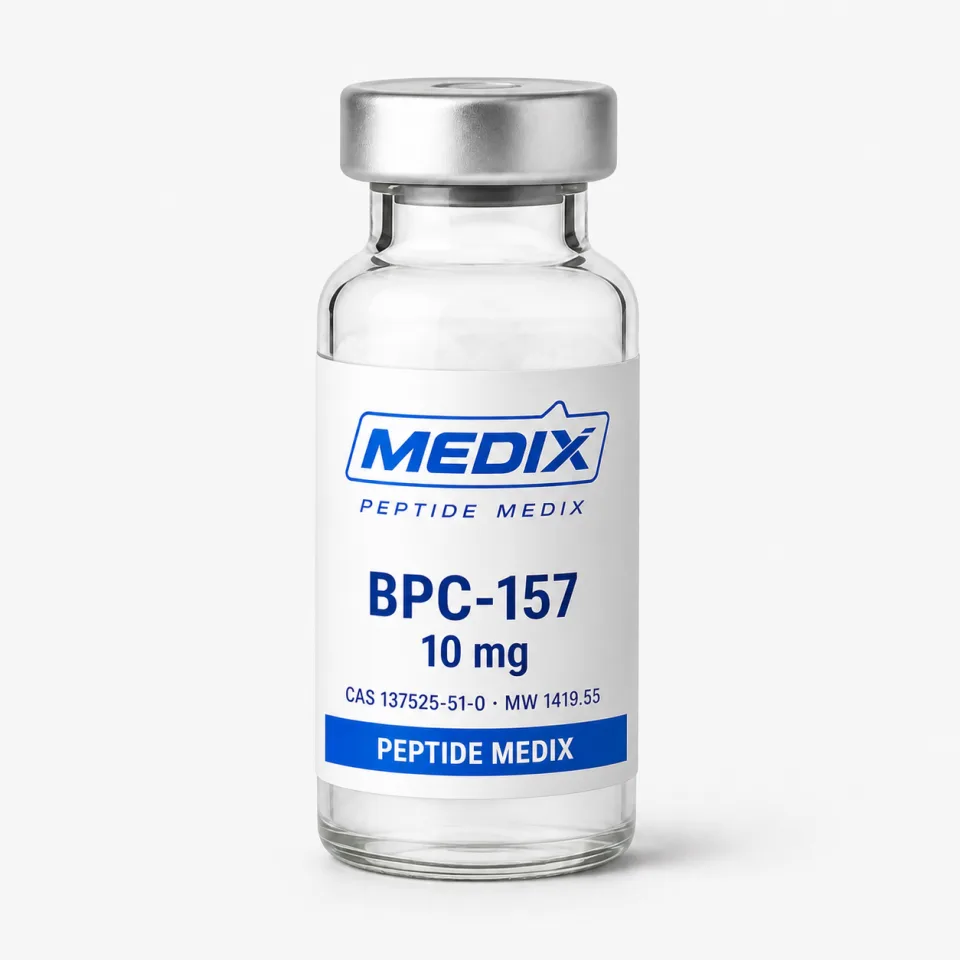
BPC-157

Peptide Medix

BPC-157

bpc-157

7 options

$34.00 $40.00

View options and product details

15% OFF
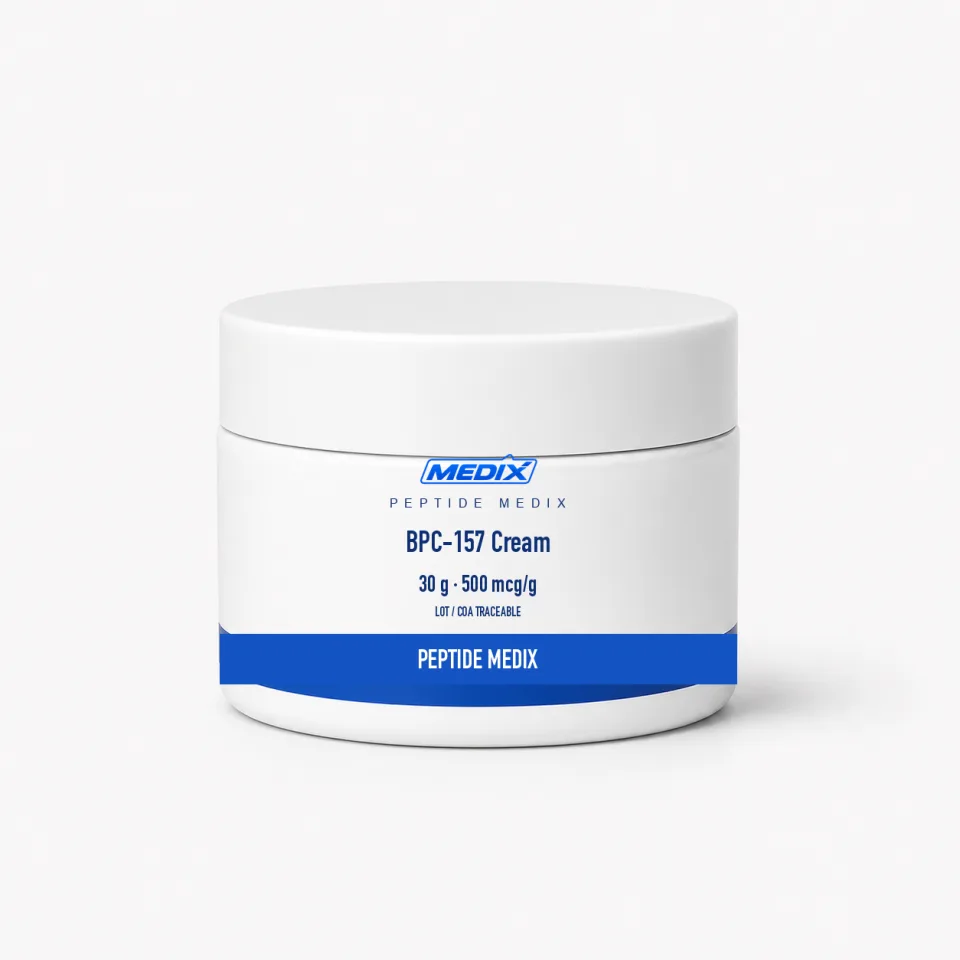
BPC-157 Cream

Peptide Medix

BPC-157 Cream

bpc-157 cream

2 options

$68.00 $80.00

View options and product details

15% OFF
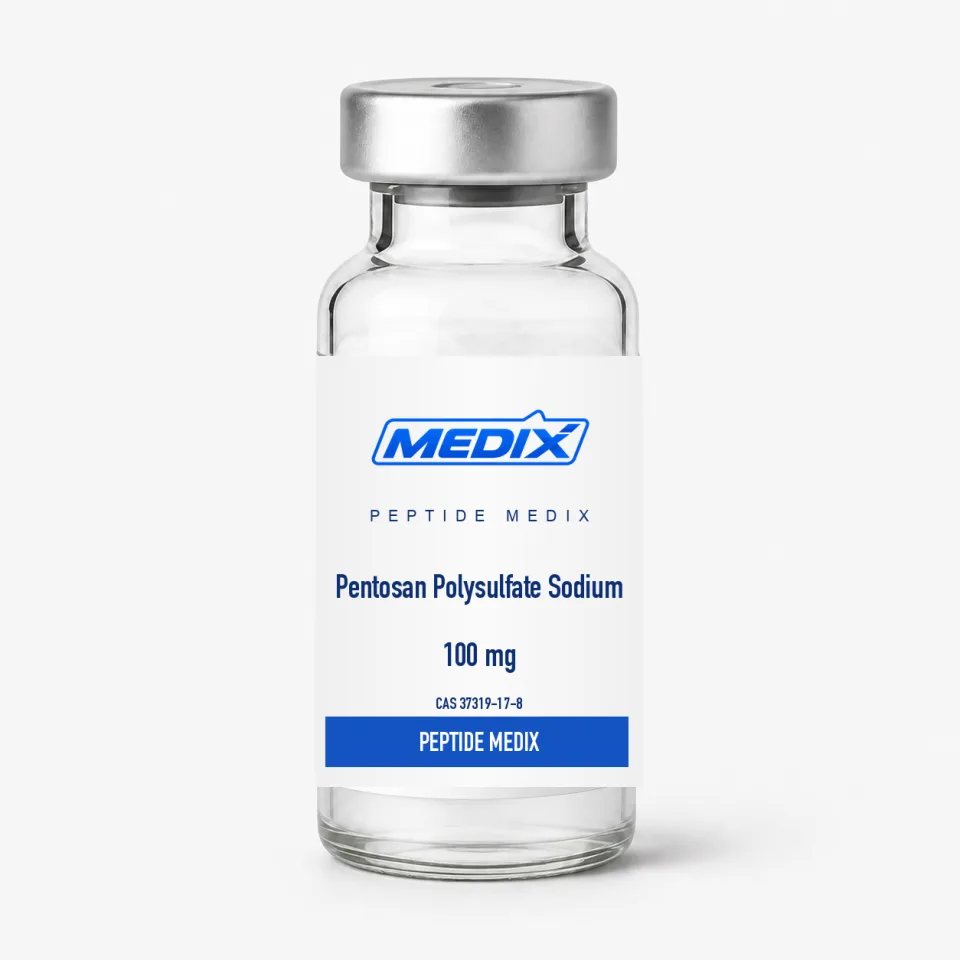
Pentosan Polysulfate Sodium

Peptide Medix

Pentosan Polysulfate Sodium

pentosan polysulfate

2 options

$72.00 $85.00

View options and product details