Peptide Medix product catalog

Peptide Medix

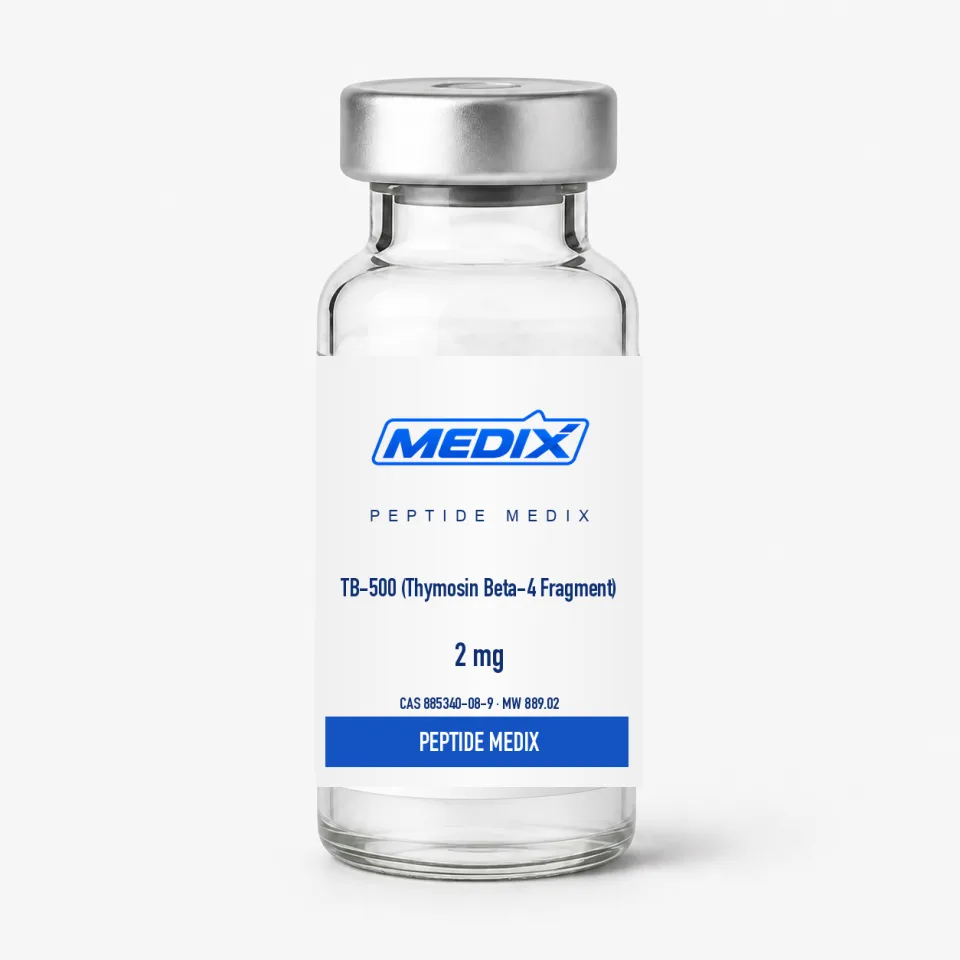
TB-500 (Thymosin Beta-4 Fragment)

Acetylated LKKTETQ fragment, also known as ABP-7, in research vials

Review catalog details Secure payments
Available to order · 5 of 5 options available
$34.00 $40.00 15% OFF

Choose an option

1
Categories: tb-500 , abp-7 , ac-lkktetq

Choose your delivery method

Standard Shipping is automatically selected at checkout. Customers can upgrade to a faster delivery option anytime.

Overview

TB-500 is the acetylated seven-residue sequence Ac-Leu-Lys-Lys-Thr-Glu-Thr-Gln, corresponding to residues 17–23 of thymosin beta-4. The same defined molecule is also cataloged as ABP-7, a name derived from its actin-binding peptide length. ABP-7 is therefore an alias for this existing product—not a separate peptide or additional SKU.

The fragment isolates the LKKTETQ actin-binding motif of the full 43-residue protein. It is supplied as lyophilized powder in 2 mg, 5 mg, 10 mg and 20 mg sealed vials, plus a 10-vial research kit. Each lot is assayed to at least 99% purity by reversed-phase HPLC with mass-based identity confirmation, and a lot-matched certificate of analysis is available.

Specifications

Brand Peptide Medix
Category Tissue Repair & Healing Peptides
Form Lyophilized powder, sealed glass vial with crimped stopper
Purity ≥99% by HPLC; lot-matched COA available
Available sizes 2 mg, 5 mg, 10 mg, 20 mg; 10-vial kit (10 × 5 mg)
CAS number 885340-08-9
Molecular formula C38H68N10O14
Molecular weight 889.02 g/mol
Amino acid sequence Ac-Leu-Lys-Lys-Thr-Glu-Thr-Gln (thymosin beta-4 residues 17–23)
Also known as ABP-7, Ac-LKKTETQ, thymosin beta-4 fragment 17–23
Chain length 7 amino acids, N-terminally acetylated
Peptide class Thymosin beta-4 fragment; actin-binding domain peptide
Parent protein Thymosin beta-4, a 43-residue G-actin sequestering protein
Research areas Cell migration, wound closure, angiogenesis, cardiac and corneal repair models
Storage (lyophilized) −20 °C, sealed and protected from light and moisture
Storage (reconstituted) 2–8 °C, protected from light, used within the study window
SKU TB-500-2-MG

Highlights

  • ≥99% purity by HPLC with mass-spectrometry mass confirmation and a lot-matched COA
  • Four vial sizes — 2 mg, 5 mg, 10 mg and 20 mg — plus a 10 × 5 mg research kit
  • Seven-residue acetylated fragment: Ac-Leu-Lys-Lys-Thr-Glu-Thr-Gln, the actin-binding region of Tβ4
  • Lyophilized powder in a sealed glass vial; dissolves quickly in bacteriostatic or sterile water
  • Studied in cell-migration, wound-closure, angiogenesis and cardiac remodelling models
  • Small, highly soluble sequence that handles well in plate-based and in-vivo rodent protocols
  • Held in United States stock and shipped with insulated, discreet packaging

What's Included

  • The vial option and size selected above
  • Final item and quantity confirmed in cart
  • Laboratory-research-use labeling

Research Overview

Relationship to thymosin beta-4

Thymosin beta-4 is a 43-amino-acid protein abundant in platelets and many tissues, best known for binding monomeric G-actin and holding it in a sequestered pool. Its central heptapeptide is the region most closely tied to that binding in structural studies, and TB-500 reproduces that heptapeptide with an acetylated N-terminus. Whether the fragment fully reproduces the parent protein's behaviour is an open question that individual papers answer differently.

Cell migration and wound models

Angiogenesis and cardiac research

Several groups have examined thymosin beta-4 and its fragments in models of myocardial infarction, reporting effects on epicardial cell activation and vessel density in mice. Related in-vitro work looks at endothelial tube formation and at the peptide's interaction with cytoskeletal regulators. These findings sit in the animal and culture literature and have not been established in people.

Practical characteristics

At 889 g/mol the peptide is small, highly water-soluble and straightforward to handle, which is part of its appeal as a reagent. Purity is reported as an HPLC area percentage, with identity confirmed by mass spectrometry; laboratories doing quantitative work often determine net peptide content separately because lyophilized material retains counter-ion and residual moisture.

Regulatory context

TB-500 appears on the World Anti-Doping Agency prohibited list and is not approved for human or veterinary administration in any jurisdiction. It is offered here solely as a research chemical for qualified laboratory personnel.
Handling & Storage

Store sealed vials at −20 °C, dry and away from light, and allow them to warm to room temperature before breaking the seal so moisture does not condense onto the cake. Reconstitution in the laboratory is normally done with bacteriostatic or sterile water added slowly against the vial wall; swirl until clear and avoid vortexing, which foams and denatures peptide. The small heptapeptide dissolves rapidly and gives a clear, colourless solution. Keep reconstituted material at 2–8 °C, protected from light, and aliquot before freezing so repeated freeze–thaw cycles are avoided.

TB-500 (Thymosin Beta-4 Fragment) FAQ

What exactly is TB-500?
TB-500 is a synthetic seven-amino-acid peptide with an acetylated N-terminus that reproduces residues 17 to 23 of thymosin beta-4. The exact sequence is Ac-LKKTETQ and is also sold under the alias ABP-7.
Is ABP-7 a different product from TB-500?
No. In this catalog, both names identify the same acetylated seven-residue molecule: Ac-Leu-Lys-Lys-Thr-Glu-Thr-Gln. A second ABP-7 product page would duplicate the existing TB-500 SKU and split its search identity.
Is TB-500 the same thing as thymosin beta-4?
No. Thymosin beta-4 is the complete 43-residue protein; TB-500 is a seven-residue fragment of it. The fragment is much smaller, cheaper to synthesise and easier to handle, but it is not chemically identical and studies do not always report identical behaviour between the two.
How is purity verified and is a COA supplied?
Each lot is analysed by reversed-phase HPLC to at least 99% purity, and mass spectrometry confirms the expected molecular mass of 889.02 g/mol. A certificate of analysis matched to the lot number printed on your vial is available on request at any point before or after purchase.
Which vial size should a laboratory choose?
The 5 mg vial suits method development or a single plate-based experiment, 10 mg covers most short in-vivo pilots, and 20 mg is the practical choice for multi-arm or repeated studies where opening several small vials would introduce avoidable handling variability.
How should TB-500 be stored and reconstituted?
Keep the lyophilized powder at −20 °C in the sealed vial. Laboratories generally reconstitute with bacteriostatic or sterile water, swirling rather than shaking, then hold the solution at 2–8 °C protected from light. Aliquot before any freezing step so the material is not repeatedly thawed.
Can TB-500 be used on humans or animals?
No. This product is a research chemical sold for in-vitro and laboratory investigation only. It has no approval as a drug or supplement in any jurisdiction, and we provide no dosing, administration or protocol guidance of any kind with it.

This catalog listing is for laboratory research use only. It is not represented as a drug, food, supplement, cosmetic or diagnostic product, and it is not offered for human or veterinary use.

Customer Reviews

0 reviews
5 star
0%
4 star
0%
3 star
0%
2 star
0%
1 star
0%

Leave Your Review

Rating

No reviews yet — be the first!

Leave Your Review

Rating

Keep exploring

Related Products & Shopping Guides

Compare TB-500 (Thymosin Beta-4 Fragment) with relevant categories, product topics, and practical shopping information.

Often researched together

Related research peptides, blends and lab supplies frequently ordered with TB-500 (Thymosin Beta-4 Fragment).

15% OFF
BPC-157

Peptide Medix

BPC-157

bpc-157

7 options

$34.00 $40.00

View options and product details

15% OFF
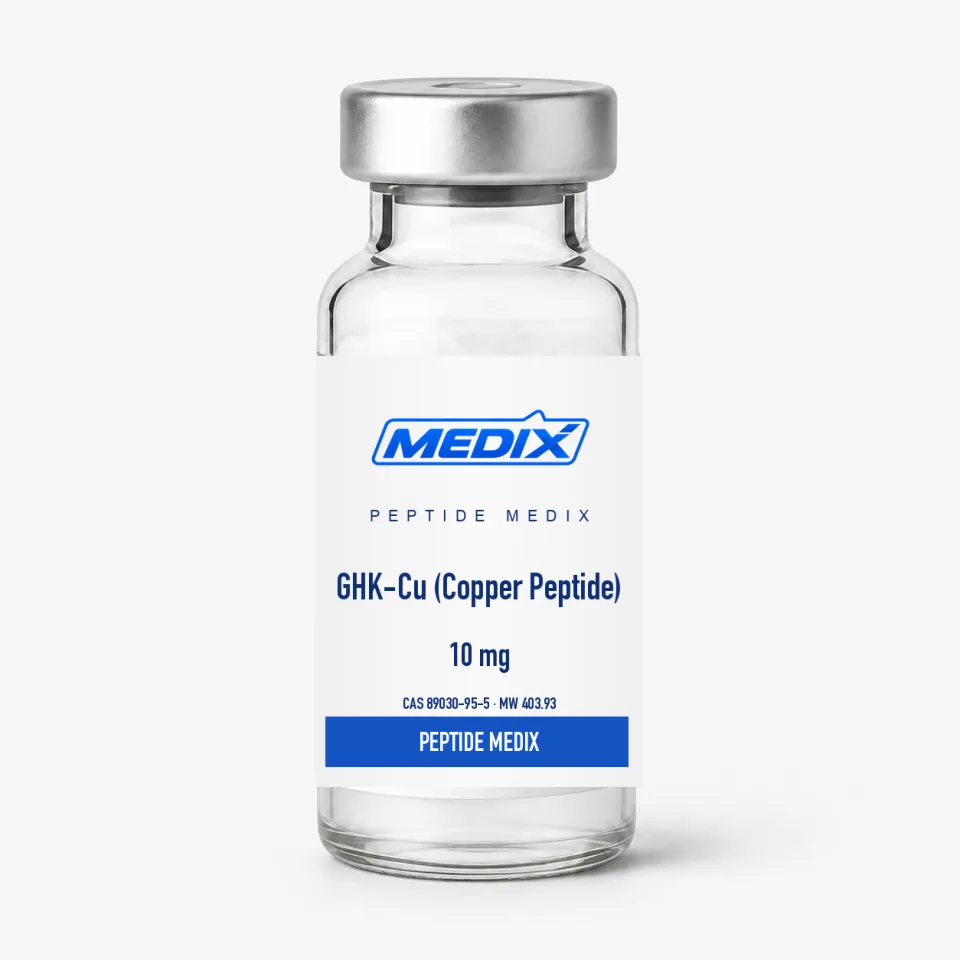
GHK-Cu (Copper Peptide)

Peptide Medix

GHK-Cu (Copper Peptide)

ghk-cu

5 options

$25.00 $30.00

View options and product details

15% OFF
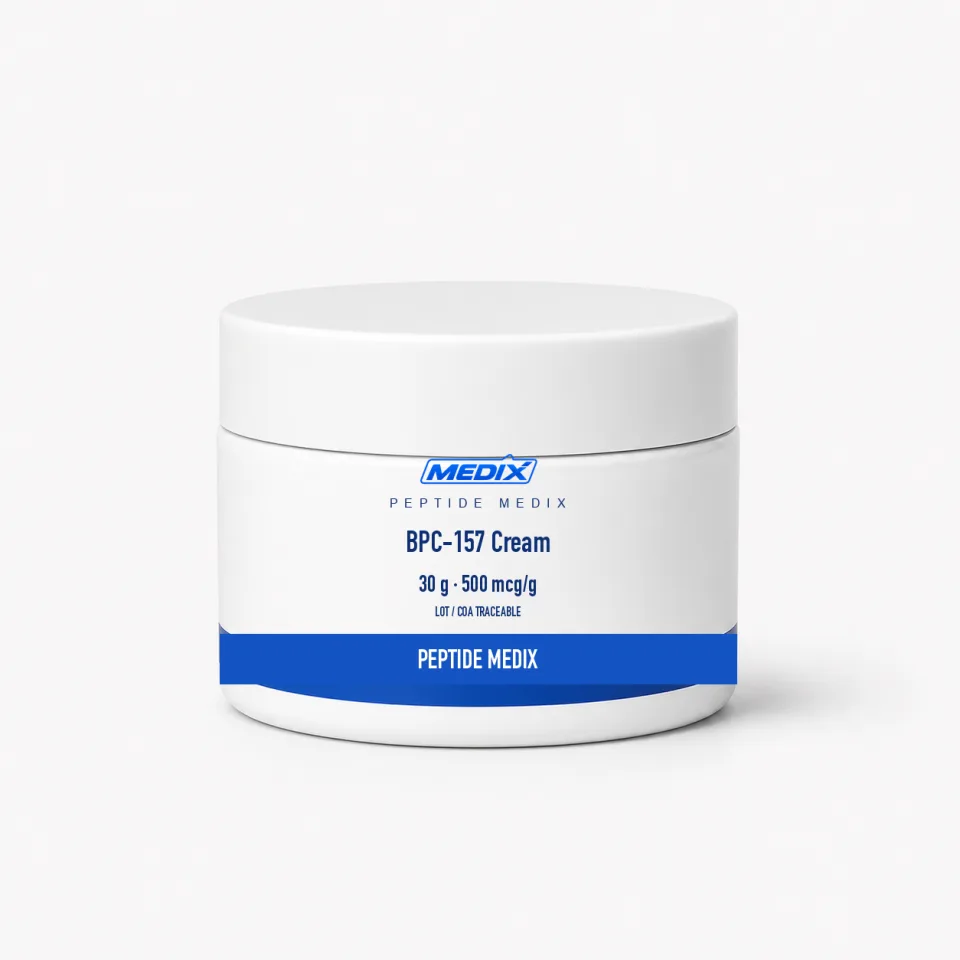
BPC-157 Cream

Peptide Medix

BPC-157 Cream

bpc-157 cream

2 options

$68.00 $80.00

View options and product details

15% OFF
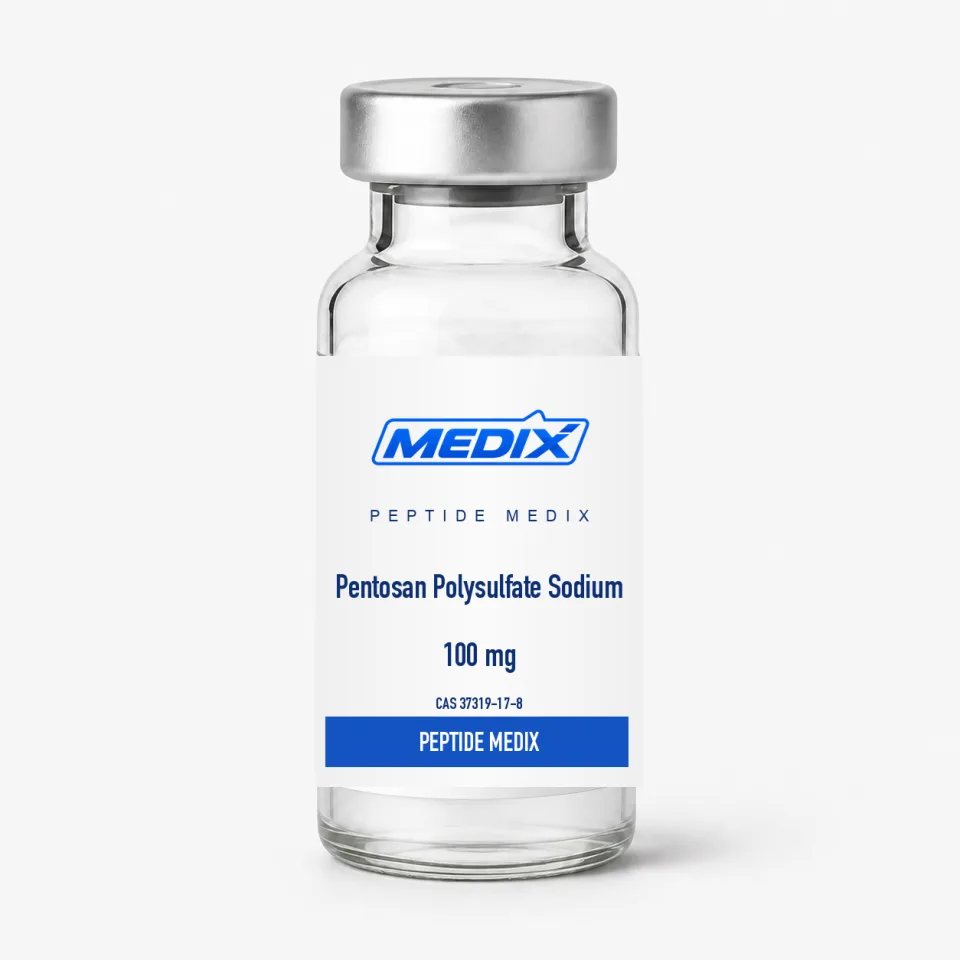
Pentosan Polysulfate Sodium

Peptide Medix

Pentosan Polysulfate Sodium

pentosan polysulfate

2 options

$72.00 $85.00

View options and product details