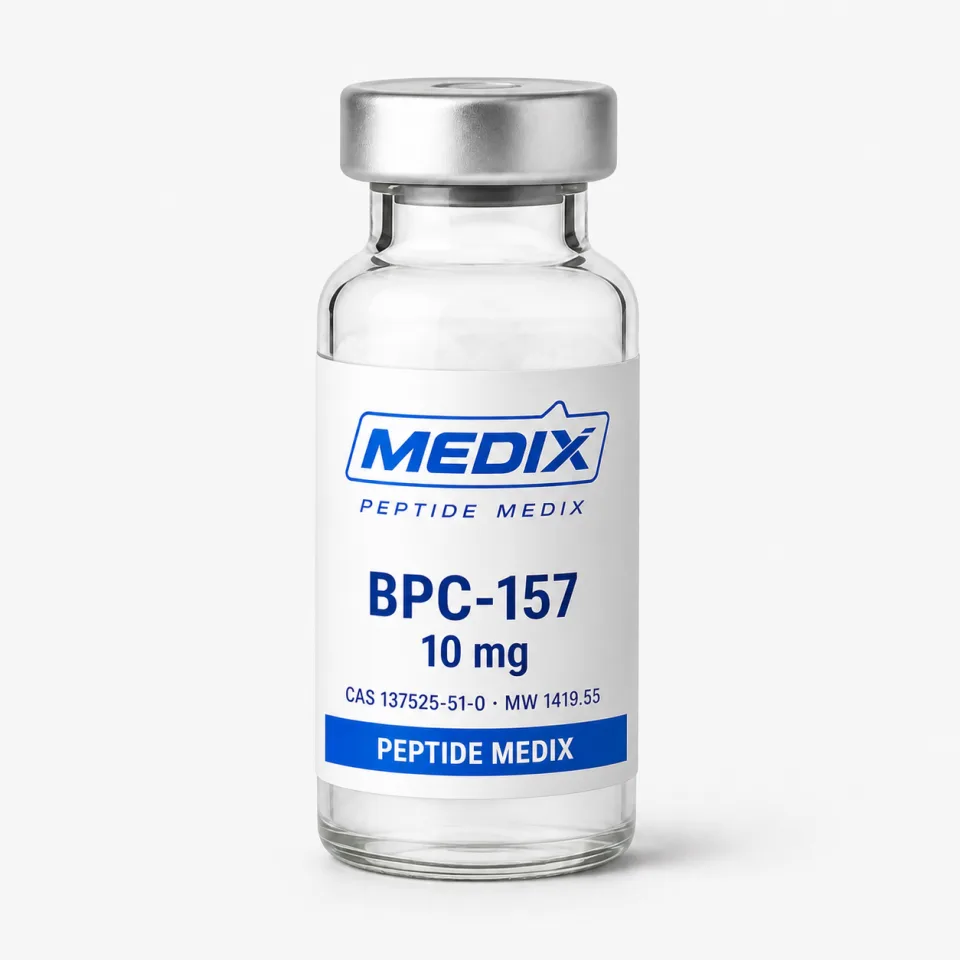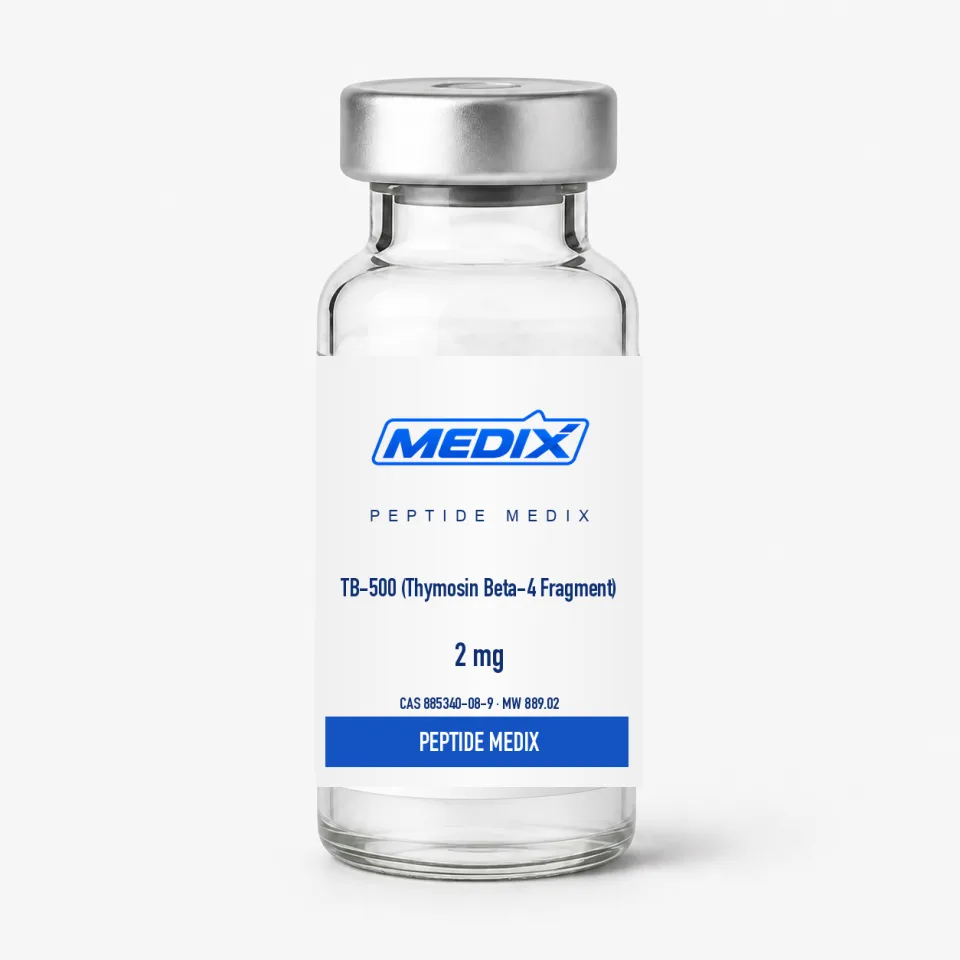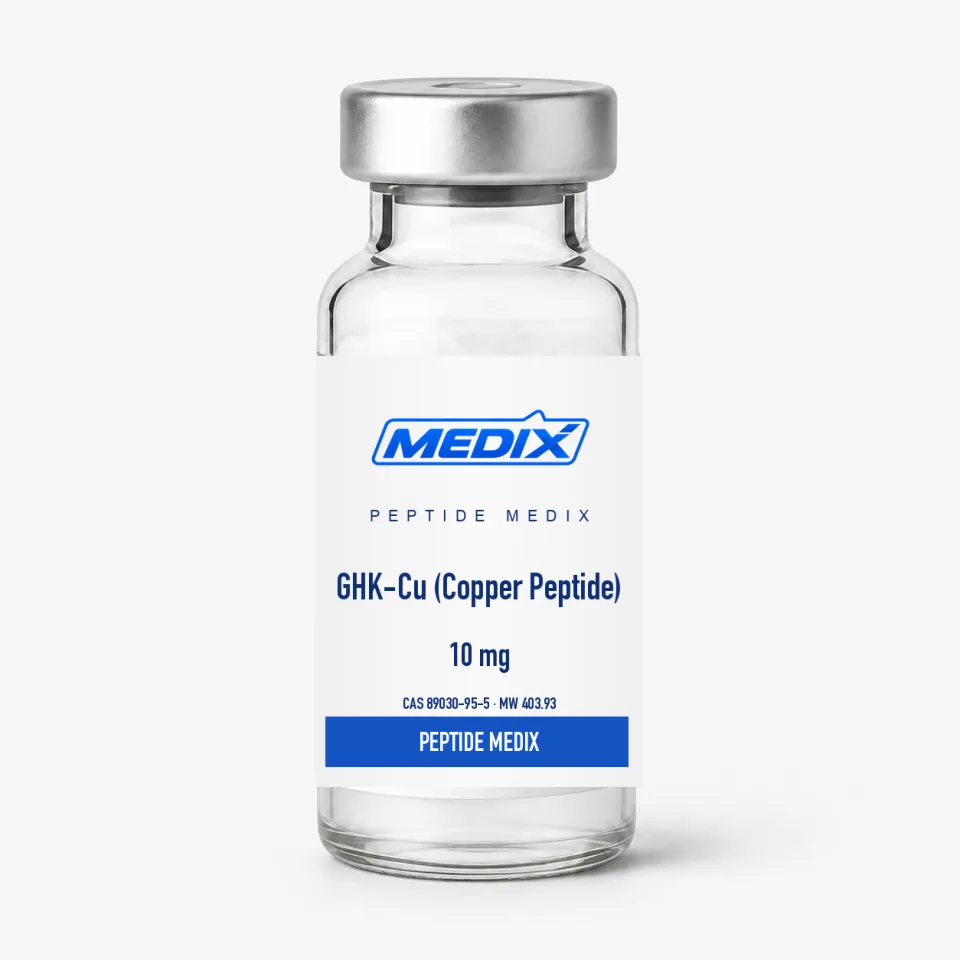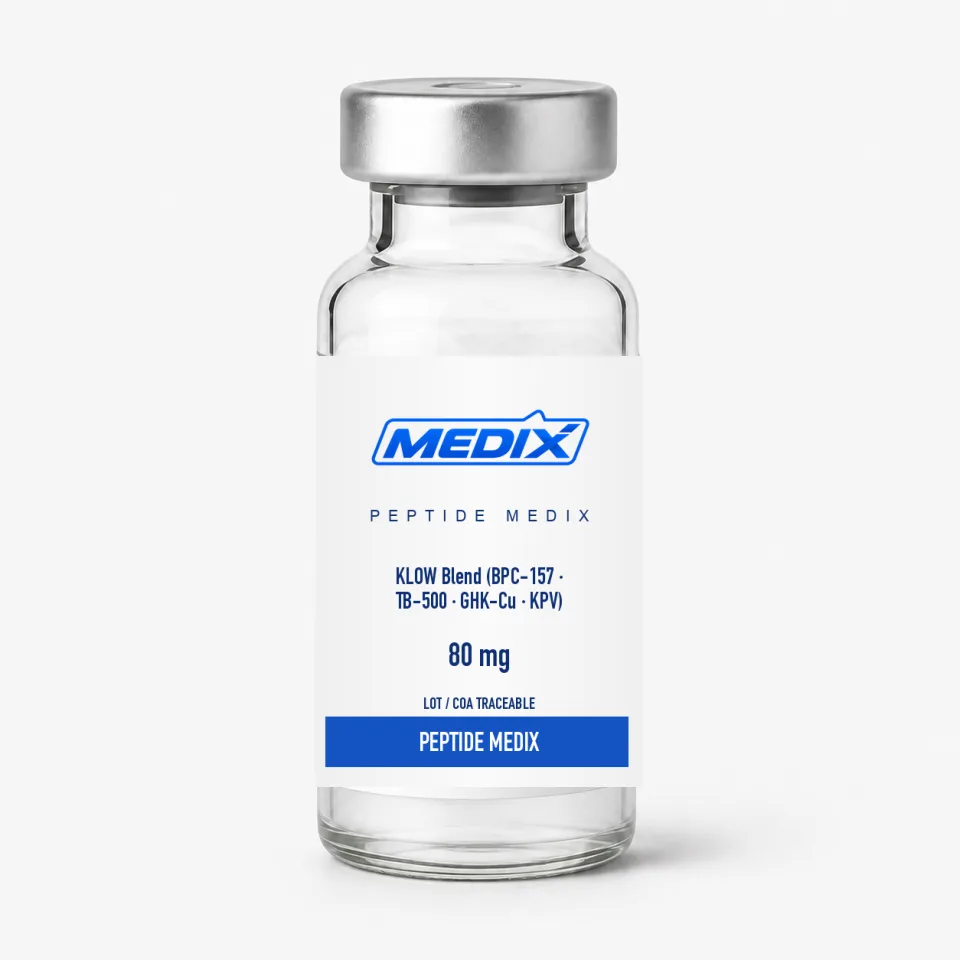
Research Overview
Why separate vials change the experiment
BPC-157
TB-500
TB-500 corresponds to the actin-binding region of thymosin beta-4, a peptide widely distributed in mammalian tissue. In-vitro studies have examined actin sequestration and the migration of endothelial cells and keratinocytes, usually in scratch-assay or transwell formats.
GHK-Cu
Sequencing components across a study
Kits also allow temporal separation. A protocol can introduce one peptide during an early phase and another later, or stagger the copper tripeptide against the two repair sequences, because each vial is reconstituted on its own schedule. A blend forces every component to be present in the same proportion at every timepoint, which suits convenience-driven work but constrains anything examining order of exposure.
Scope of the evidence
All of the above describes laboratory and animal research. None of these peptides is an approved drug in the United States, no published work establishes a human benefit, and nothing here should be read as an indication, outcome or claim.