Research Overview
The copper tripeptide core
BPC-157 in connective-tissue models
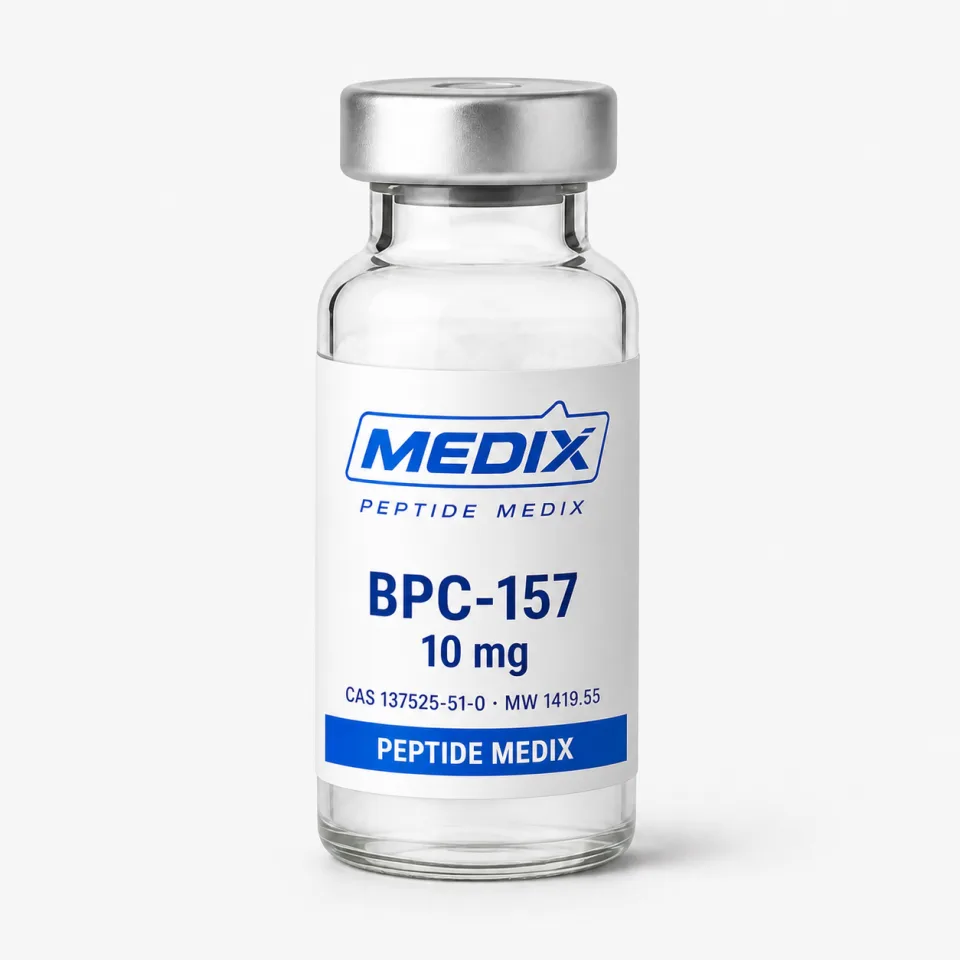
BPC-157 has been studied largely in rodent models of tendon, ligament and gastrointestinal injury. Published observations cluster around fibroblast outgrowth in culture and markers associated with new vessel formation. The sequence is stable in gastric juice, which is the property that originally prompted interest in it.
TB-500 and cell migration
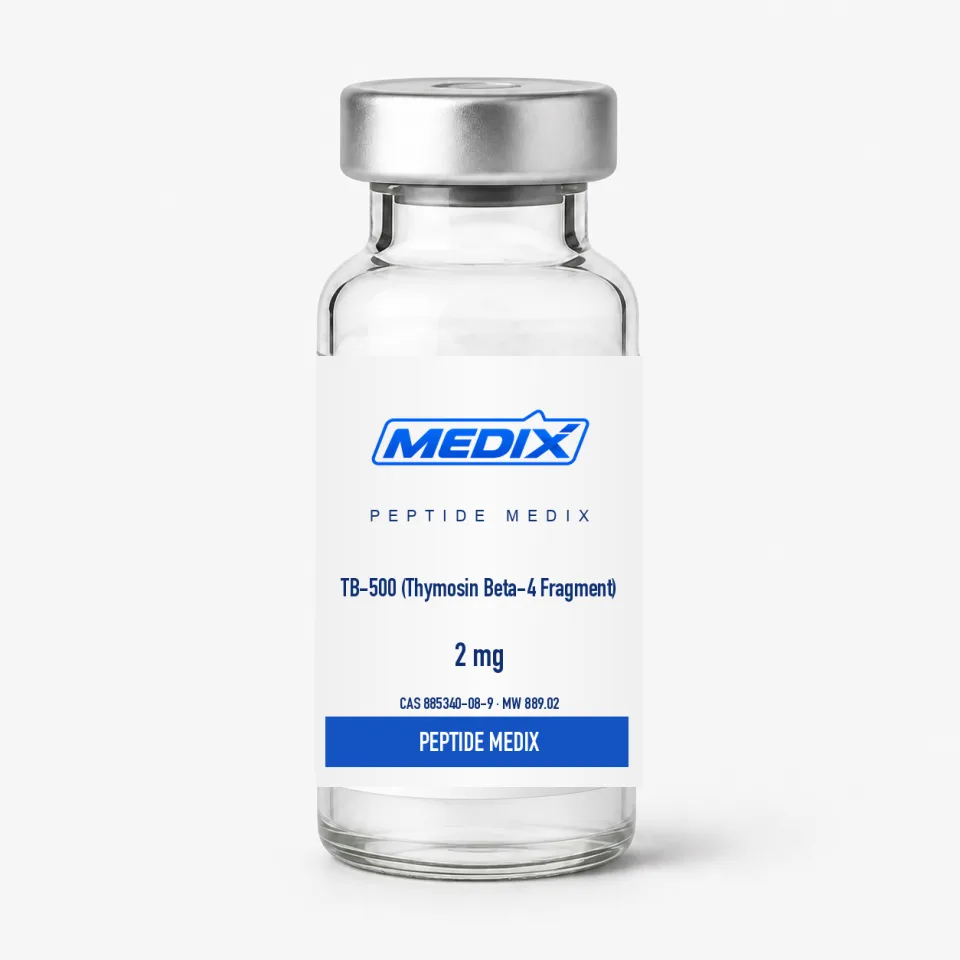
TB-500 corresponds to the actin-binding region of thymosin beta-4, a peptide present in most mammalian tissues. Research has focused on actin sequestration and on endothelial and keratinocyte migration in scratch-assay and related in-vitro systems, which is why it appears alongside BPC-157 in so many repair-model designs.
Where the three literatures meet
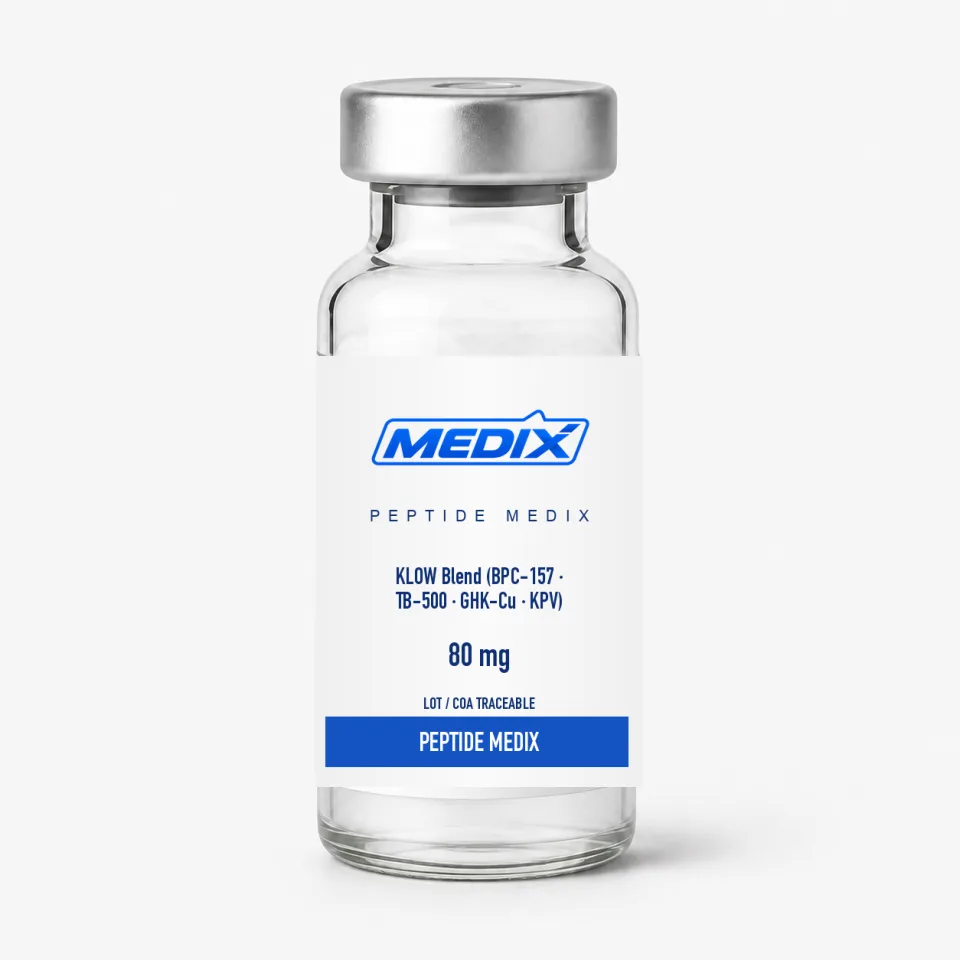
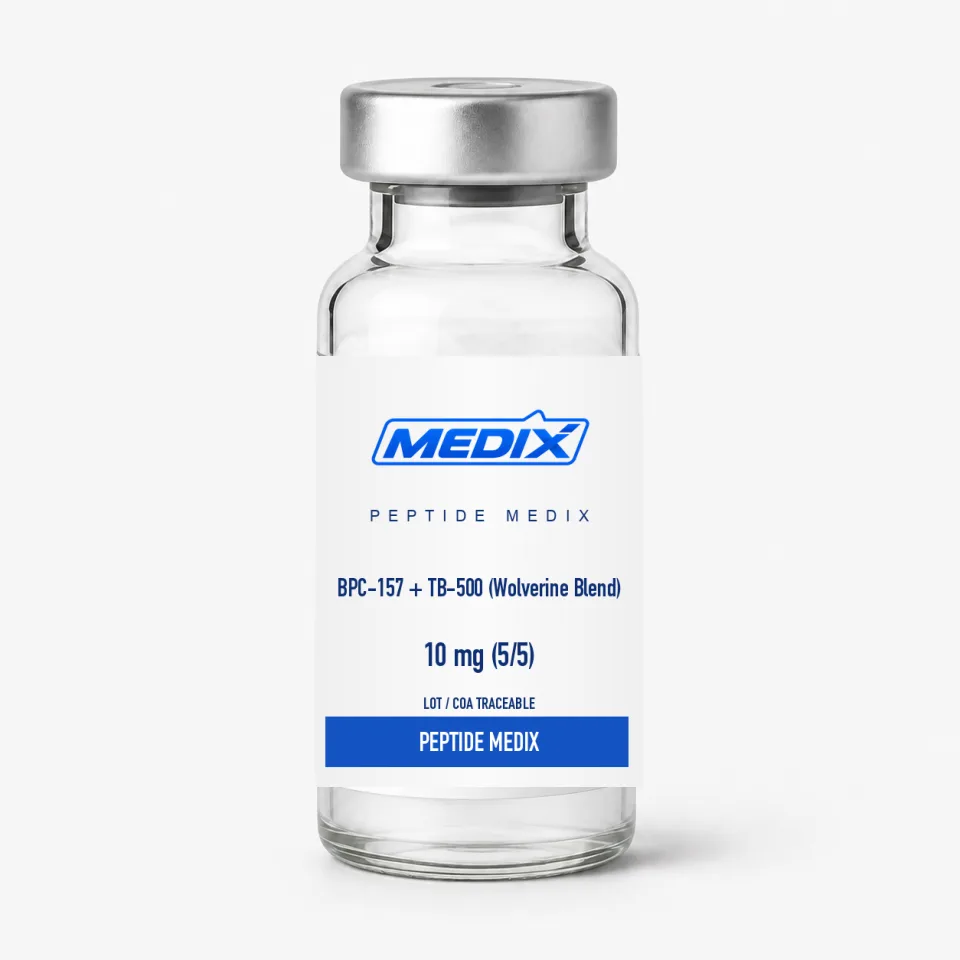
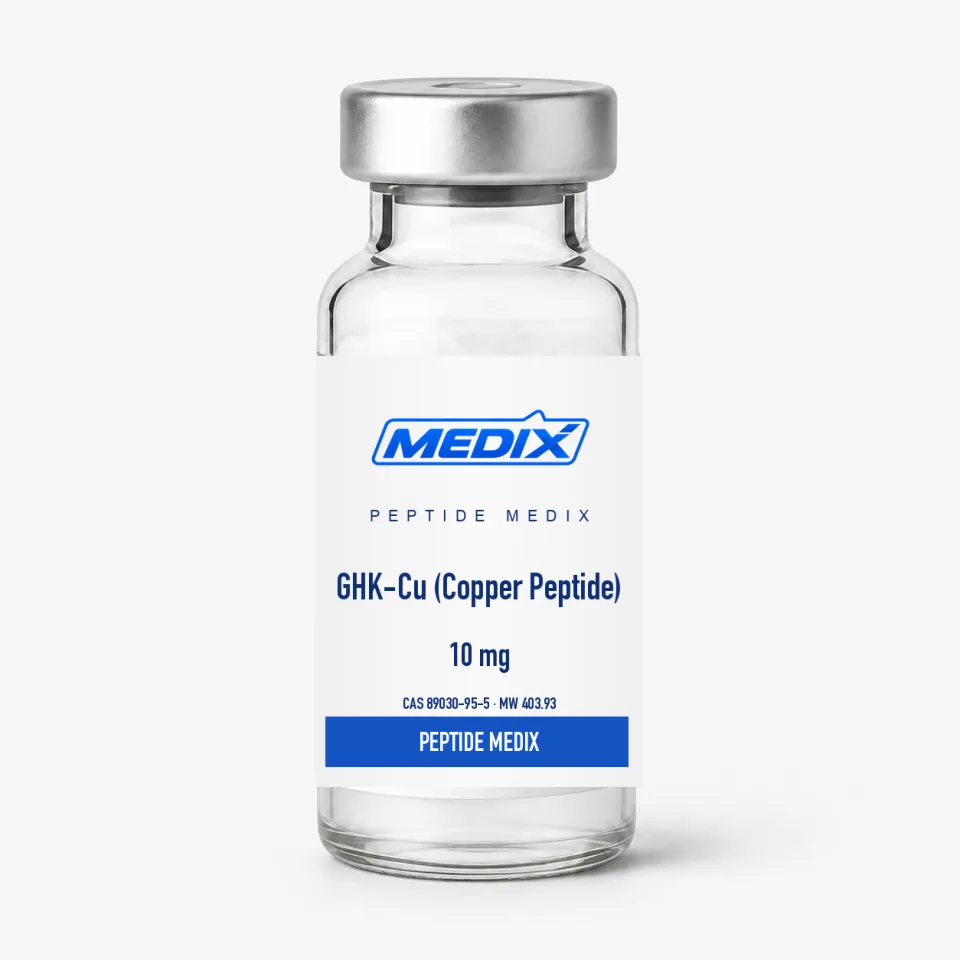
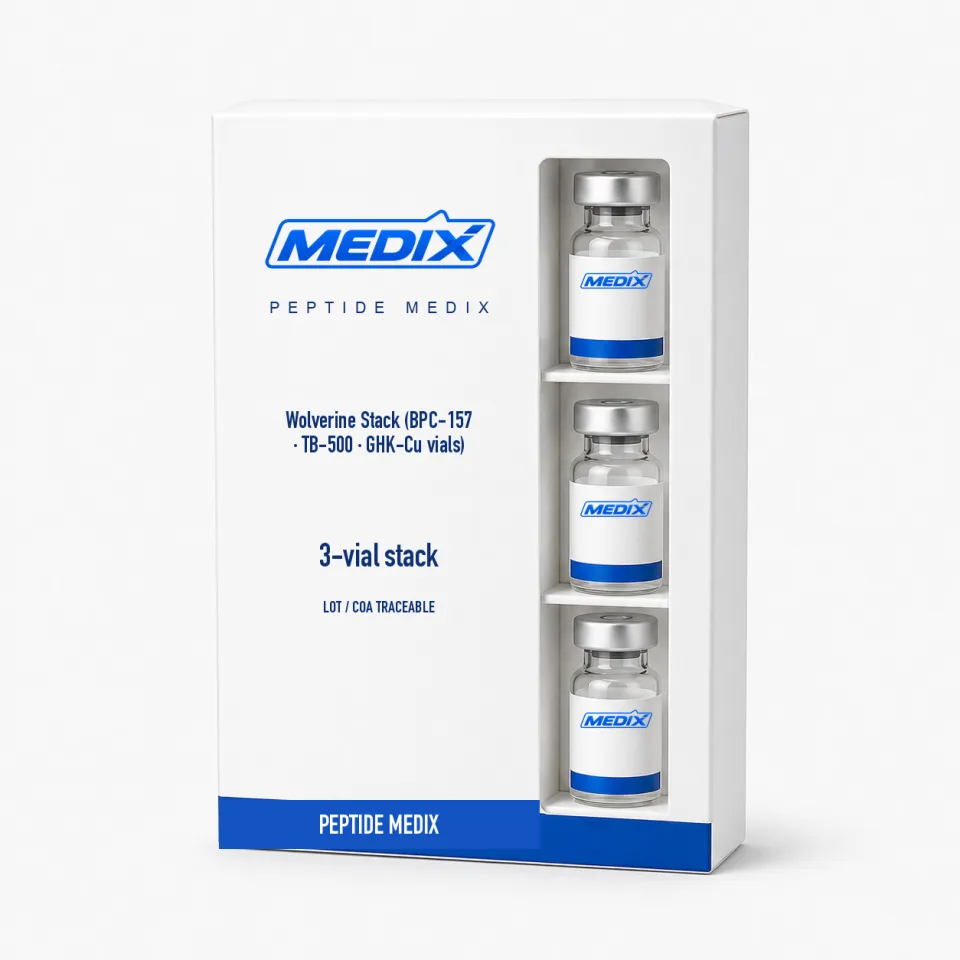
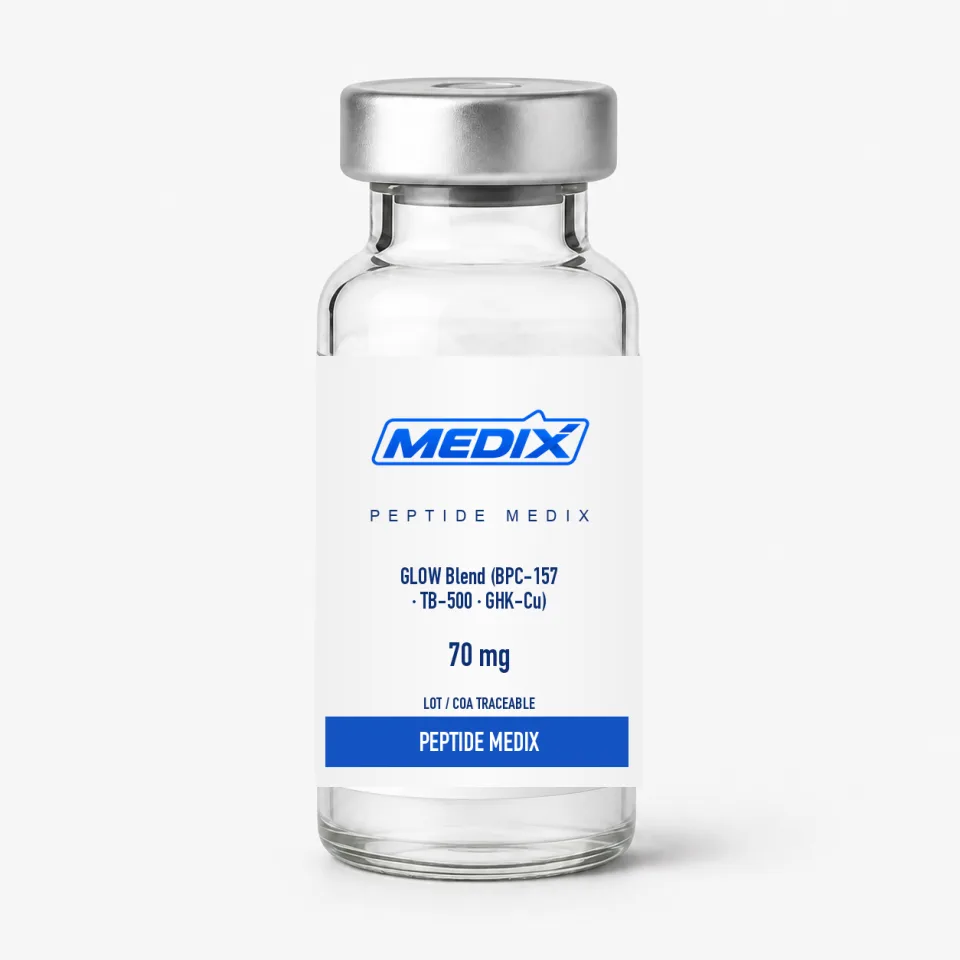
The overlap between these peptides is the extracellular matrix. GHK-Cu research concerns the synthesis and turnover of matrix proteins, BPC-157 work often reports on fibroblast and granulation-tissue behaviour, and TB-500 studies examine the actin dynamics that let cells move through that matrix. A laboratory building a wound-model panel can therefore probe synthesis, remodelling and migration from a single preparation rather than three.
Interpreting blend research
Most of the published work behind these three peptides examines each compound on its own. Evidence describing the specific 50/10/10 combination is limited, so results from single-compound studies should not be assumed to transfer to the blend. None of these peptides is an approved drug in the United States, and nothing here describes an effect, benefit or outcome in humans.