Peptide Medix product catalog

Peptide Medix

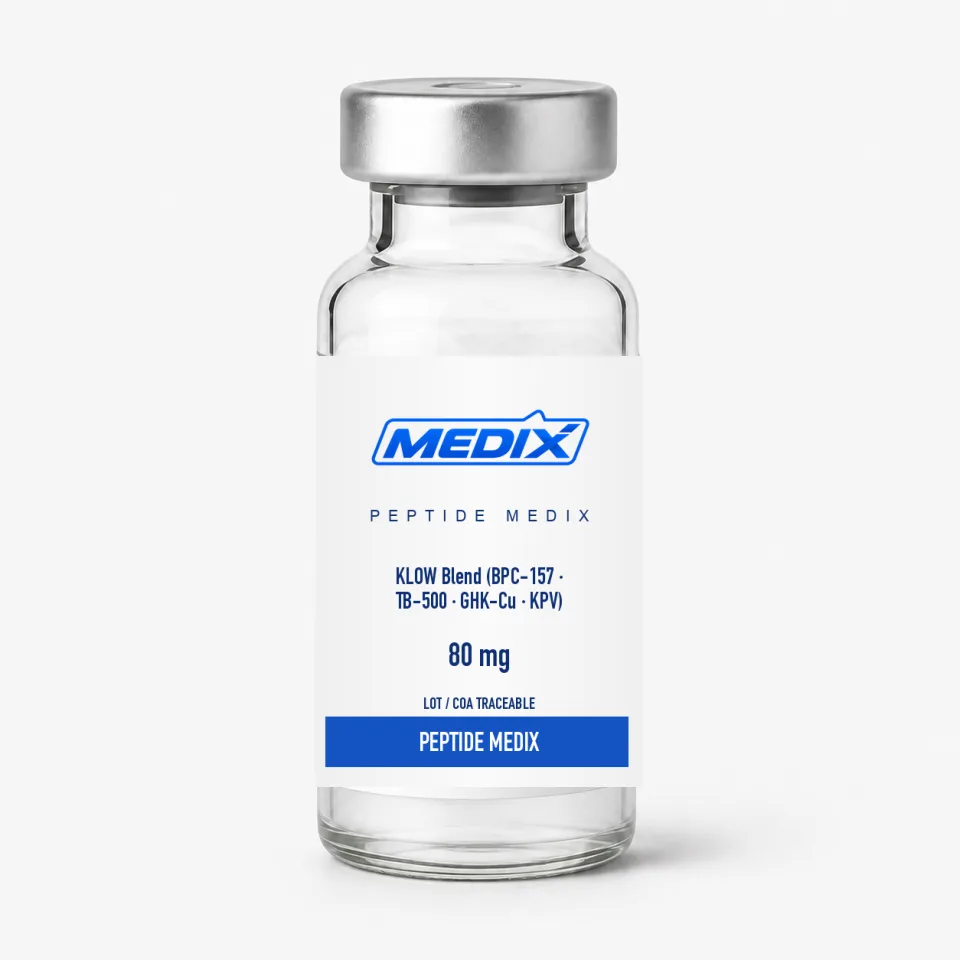
KLOW Blend (BPC-157 · TB-500 · GHK-Cu · KPV)

Four-peptide research blend: BPC-157, TB-500, GHK-Cu and KPV in one 80 mg vial

Review catalog details Secure payments
Available to order
$204.00 $240.00 15% OFF
1
Categories: klow blend , peptide blends , bpc-157

Choose your delivery method

Standard Shipping is automatically selected at checkout. Customers can upgrade to a faster delivery option anytime.

Overview

KLOW Blend is a co-formulated research preparation that places four widely studied peptides — BPC-157, TB-500, GHK-Cu and KPV — into a single lyophilized 80 mg vial. The name is an acronym of its components, and the formulation exists because laboratories examining tissue-repair signalling frequently run these four molecules together rather than in isolation. Consolidating them removes three separate reconstitution steps and the dilution error that comes with them.

Each component belongs to a different peptide family. BPC-157 is a synthetic gastric pentadecapeptide derived from a sequence identified in human gastric juice. TB-500 is the actin-binding fragment of thymosin beta-4. GHK-Cu is a copper(II)-complexed tripeptide first isolated from human plasma. KPV is the C-terminal tripeptide of alpha-melanocyte-stimulating hormone. Their published research literatures overlap around wound models, extracellular matrix turnover and inflammatory signalling, which is why they are grouped.

Specifications

Brand Peptide Medix
Category Recovery Blends
Product type Multi-peptide research blend, single vial
Components BPC-157, TB-500 (thymosin beta-4 fragment), GHK-Cu, KPV
Total peptide content 80 mg per vial
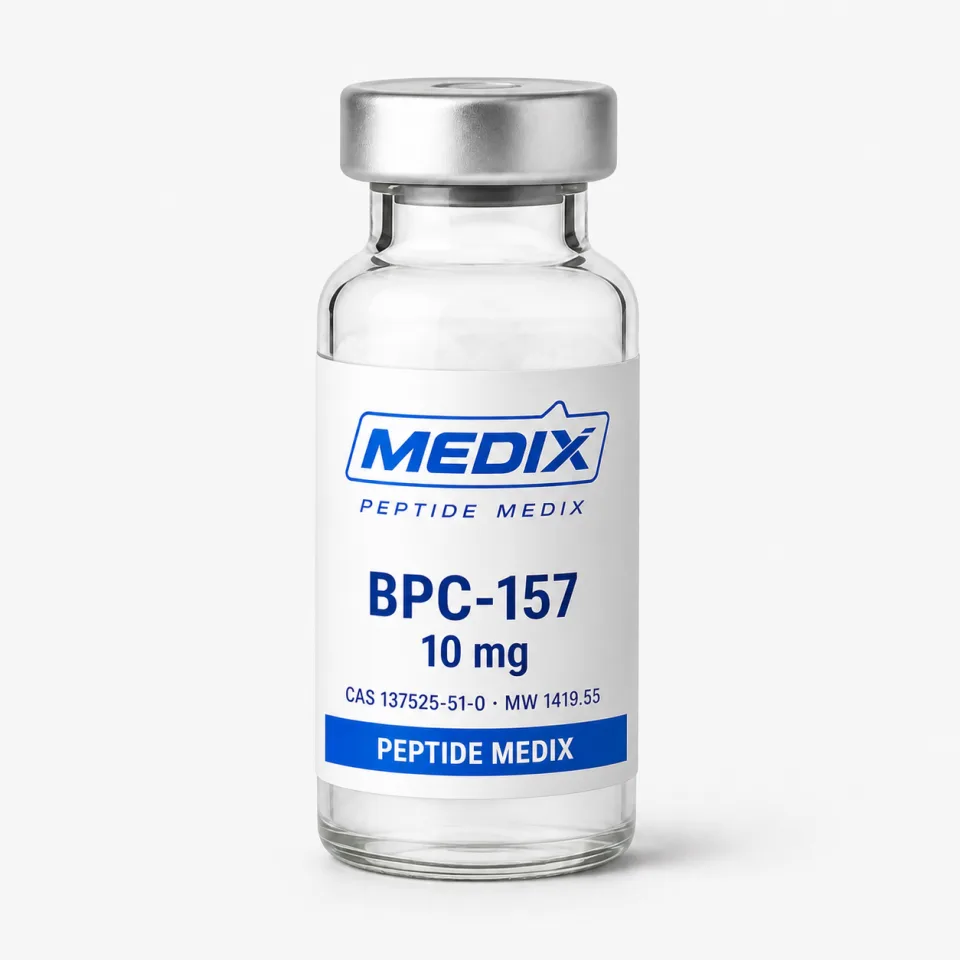
Typical component split GHK-Cu 50 mg · BPC-157 10 mg · TB-500 10 mg · KPV 10 mg
Form Lyophilized powder in a sealed glass vial
Purity ≥99% by HPLC per component; lot-matched COA
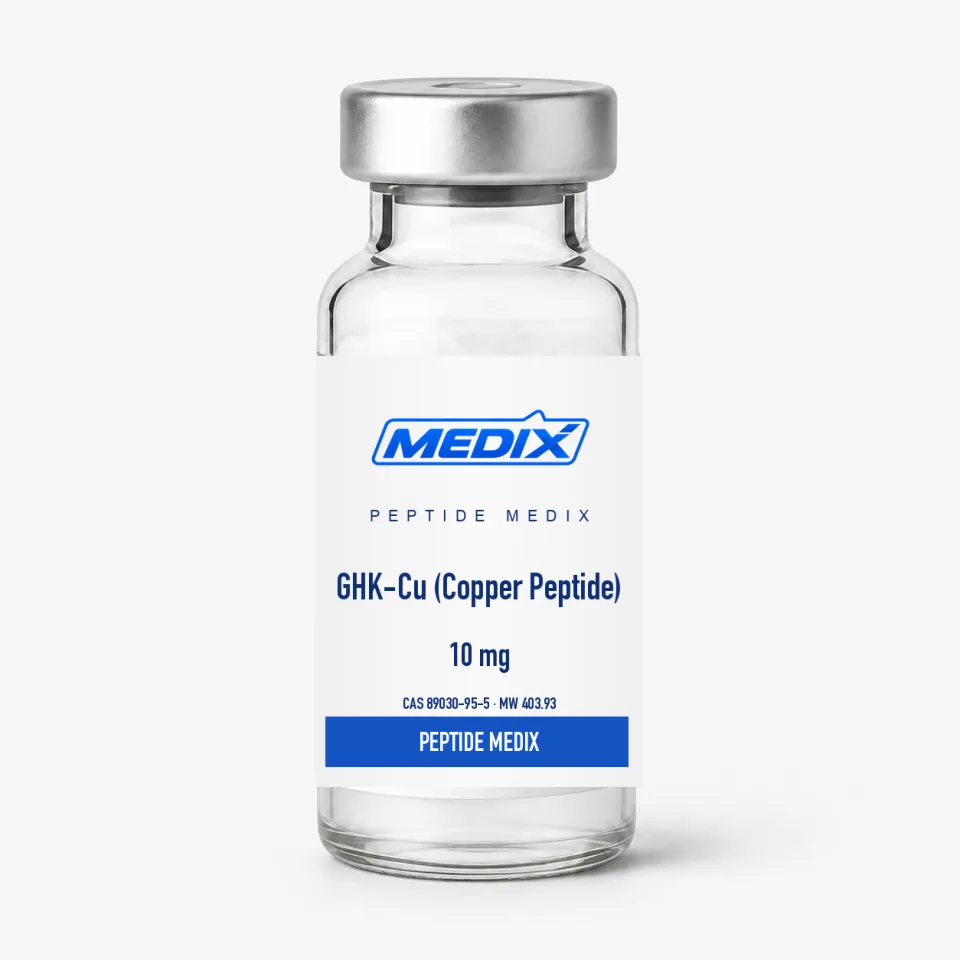
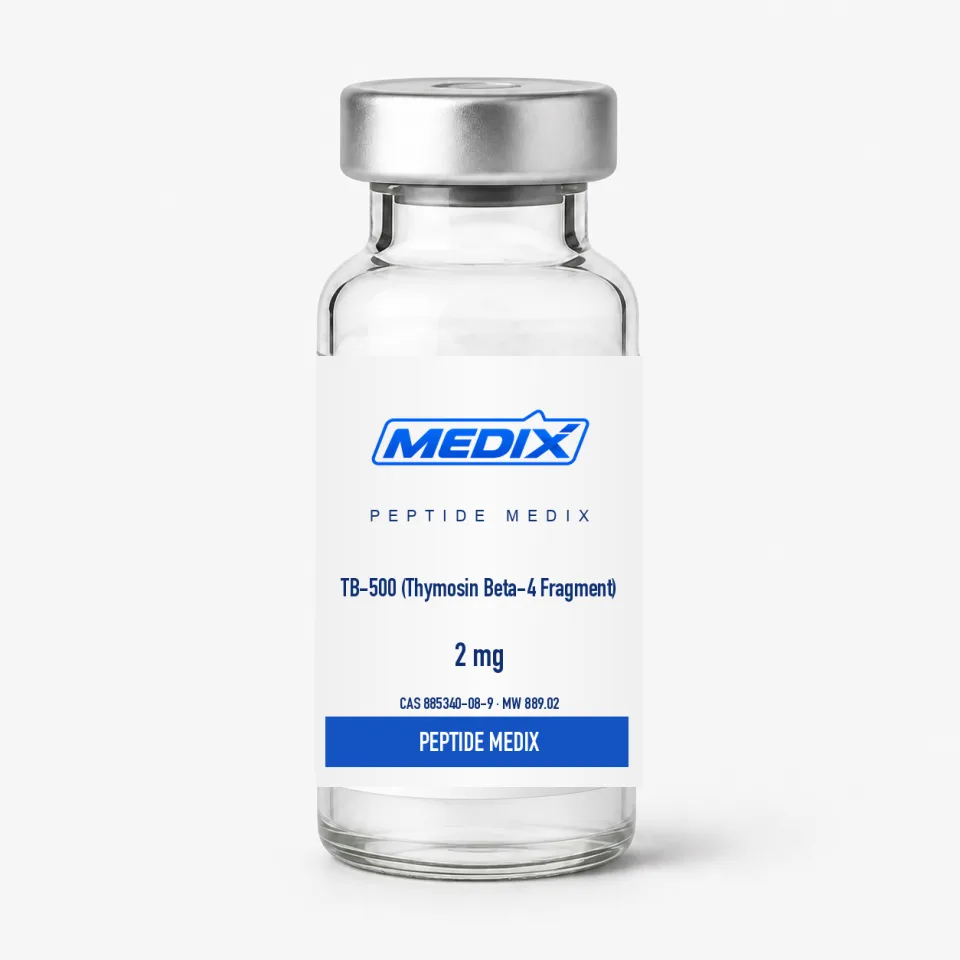
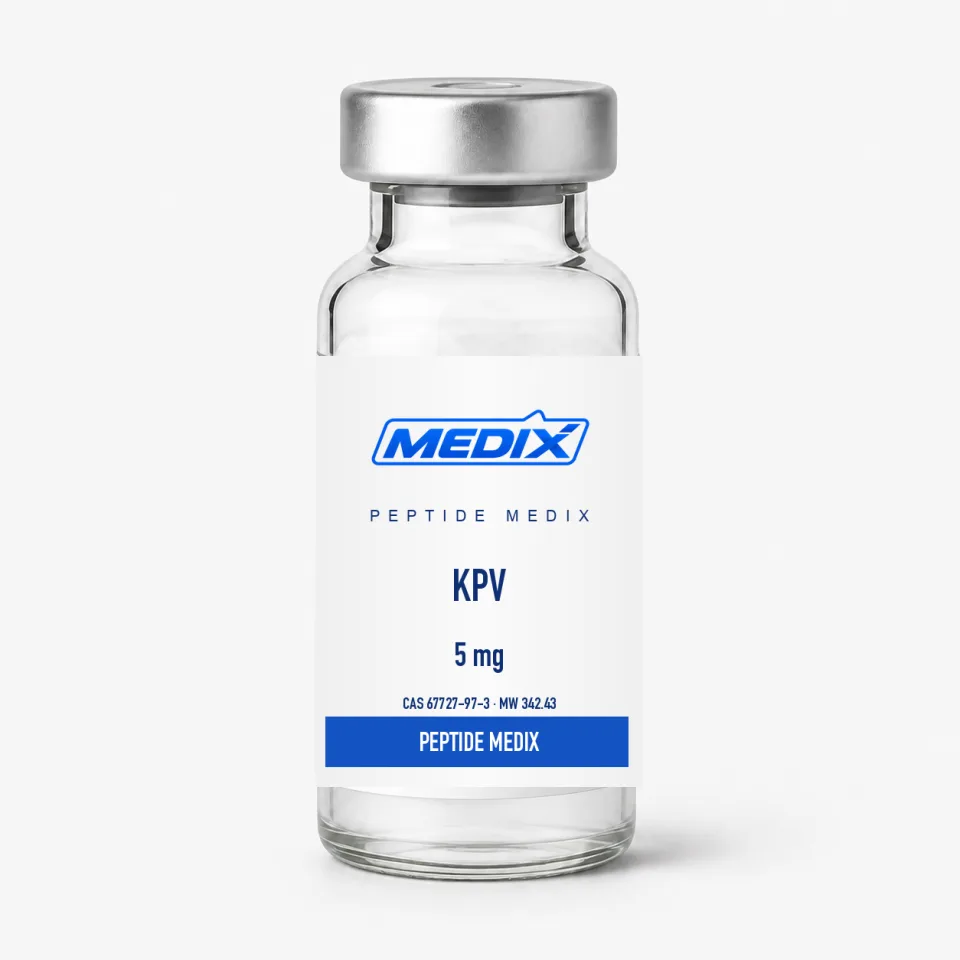
Component CAS numbers BPC-157 137525-51-0 · TB-500 885340-08-9 · GHK-Cu 89030-95-5 · KPV 67727-97-3
Component classes Gastric pentadecapeptide, actin-binding thymosin fragment, copper-binding tripeptide, alpha-MSH-derived tripeptide
Appearance White to off-white powder; light blue tint in solution from the copper complex
Research areas Tissue repair, extracellular matrix remodelling, mucosal and inflammatory signalling
Storage (lyophilized) −20 °C, protected from light and moisture
Storage (reconstituted) 2–8 °C, used within the study window
Options 1 listed
SKU KLOW-BLEND-80-MG

Highlights

  • Four peptides in one vial — BPC-157, TB-500, GHK-Cu and KPV at a combined 80 mg
  • Typical component split of GHK-Cu 50 mg, BPC-157 10 mg, TB-500 10 mg and KPV 10 mg per vial
  • ≥99% purity by HPLC with a lot-matched certificate of analysis available on request
  • Supplied as a lyophilized powder in a sealed, stoppered glass vial
  • One reconstitution instead of four, reducing handling steps in multi-compound study designs
  • Reconstitutes with bacteriostatic or sterile water for laboratory preparation
  • Packed and shipped from a United States facility with cold-chain-friendly packaging

What's Included

  • The vial option and size selected above
  • Final item and quantity confirmed in cart
  • Laboratory-research-use labeling

Research Overview

Why these four are combined

Laboratories that study wound and connective-tissue models rarely look at a single signalling axis. The four peptides in KLOW Blend have been examined in overlapping but non-identical contexts: granulation tissue formation, cell migration, matrix protein expression and inflammatory tone. Combining them in one preparation is a convenience of experimental design, not a claim that the combination produces any additive effect — published head-to-head comparisons of the four together are limited.

BPC-157 and TB-500

GHK-Cu

GHK-Cu is a glycyl-L-histidyl-L-lysine tripeptide chelated to copper(II). It has one of the longer research histories of the group, with in-vitro studies examining collagen and glycosaminoglycan synthesis in fibroblast culture, metalloproteinase and antiprotease expression, and gene-expression profiling work reporting broad transcriptional shifts in cultured cells.

KPV

KPV is the lysine-proline-valine tripeptide at the C-terminus of alpha-MSH. Research interest centres on inflammatory signalling, including reported effects on NF-κB pathway activity in cell models and on markers of colonic inflammation in rodent studies.
What this product is not

Handling & Storage

Allow the vial to reach room temperature before opening so condensation does not settle on the powder. Wipe the stopper with an alcohol prep pad, then introduce bacteriostatic water slowly down the inner wall of the vial rather than directly onto the cake. Swirl gently until dissolved — do not shake or vortex, as agitation can denature peptide in solution. GHK-Cu gives the reconstituted material a faint blue colour, which is expected. Store the reconstituted vial at 2–8 °C, protected from light, and record the reconstitution date. Discard any vial showing particulates, discolouration beyond the expected blue tint, or a compromised stopper.

KLOW Blend (BPC-157 · TB-500 · GHK-Cu · KPV) FAQ

What does KLOW stand for?
KLOW is an acronym drawn from the four peptides in the vial: KPV, and the letters associated with the copper peptide GHK-Cu, BPC-157 and TB-500 in common laboratory shorthand. It is a formulation name used across the research-peptide market rather than a trademarked compound.
How is the 80 mg divided between the four peptides?
A typical KLOW vial is weighted toward GHK-Cu at 50 mg, with BPC-157, TB-500 and KPV at 10 mg each. The exact per-component content for the lot you receive is stated on that lot's certificate of analysis, which is the authoritative figure.
Is this blend third-party tested?
Yes. Every lot is analysed by HPLC for identity and purity and is released against a lot-matched certificate of analysis. Because this is a blend, the COA reports each component separately. Request the current lot COA before ordering if you need to review it first.
Why buy a blend instead of four separate vials?
A single vial means one reconstitution, one storage container and one dilution calculation, which reduces handling error in multi-compound study designs. Separate vials are the better choice if your protocol needs to vary the ratio between components, since a blend fixes that ratio.
How should the vial be stored before it is opened?
Keep the sealed lyophilized vial at −20 °C, away from light and moisture. In that state the powder is stable for extended periods. Short transit at ambient temperature is normal for lyophilized peptide and does not require refrigerated shipping.

This catalog listing is for laboratory research use only. It is not represented as a drug, food, supplement, cosmetic or diagnostic product, and it is not offered for human or veterinary use.

Customer Reviews

0 reviews
5 star
0%
4 star
0%
3 star
0%
2 star
0%
1 star
0%

Leave Your Review

Rating

No reviews yet — be the first!

Leave Your Review

Rating

Keep exploring

Related Products & Shopping Guides

Compare KLOW Blend (BPC-157 · TB-500 · GHK-Cu · KPV) with relevant categories, product topics, and practical shopping information.

Often researched together

Related research peptides, blends and lab supplies frequently ordered with KLOW Blend (BPC-157 · TB-500 · GHK-Cu · KPV).

15% OFF
BPC-157

Peptide Medix

BPC-157

bpc-157

7 options

$34.00 $40.00

View options and product details

15% OFF
GHK-Cu (Copper Peptide)

Peptide Medix

GHK-Cu (Copper Peptide)

ghk-cu

5 options

$25.00 $30.00

View options and product details

15% OFF
KPV

Peptide Medix

KPV

kpv

2 options

$42.00 $50.00

View options and product details