Peptide Medix product catalog

Peptide Medix

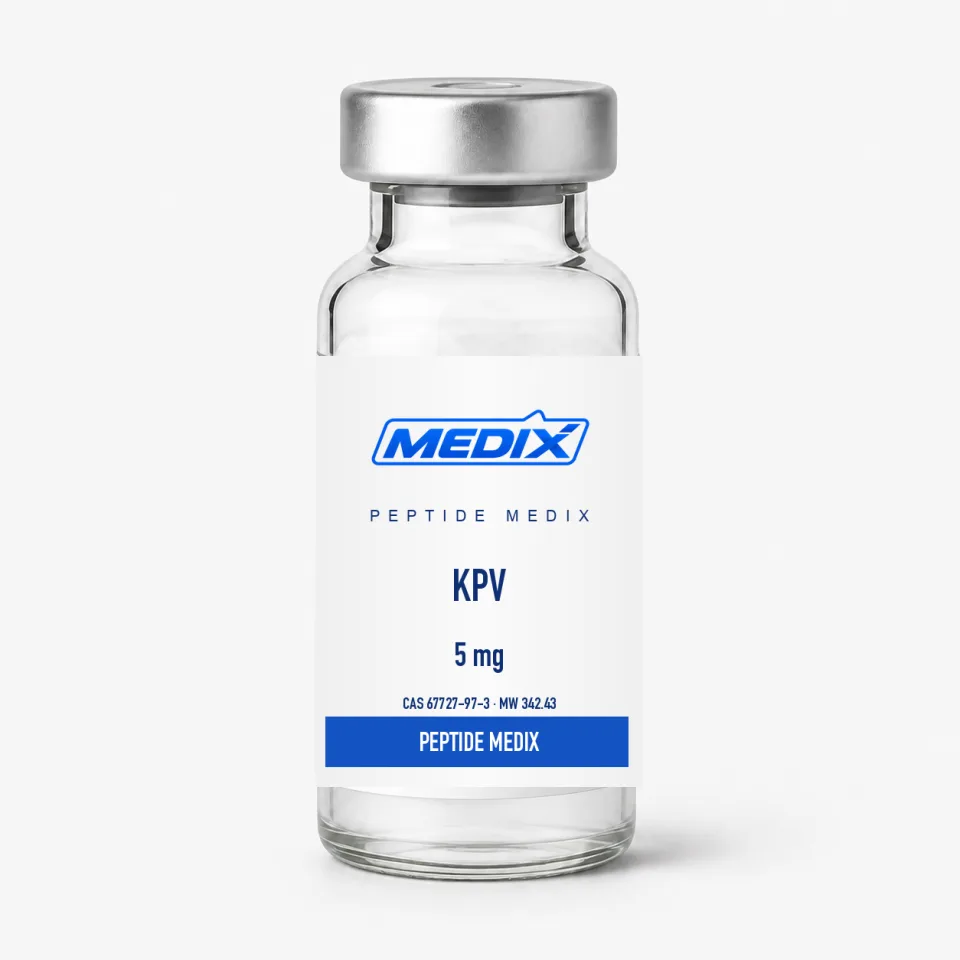
KPV

Lys-Pro-Val tripeptide from the alpha-MSH C-terminus, lyophilized vials

Review catalog details Secure payments
Available to order · 2 of 2 options available
$42.00 $50.00 15% OFF

Choose an option

1
Categories: kpv , tripeptide , alpha-msh fragment

Choose your delivery method

Standard Shipping is automatically selected at checkout. Customers can upgrade to a faster delivery option anytime.

Overview

KPV is a tripeptide of lysine, proline and valine that reproduces the C-terminal three residues of alpha-melanocyte-stimulating hormone. It is one of the shortest sequences in active inflammation research, and that brevity is the point: the fragment retains the anti-inflammatory character attributed to the parent hormone in cell work while carrying none of the melanocortin receptor activity responsible for alpha-MSH pigmentation effects.

The peptide is produced by solid-phase synthesis, purified by reversed-phase HPLC to at least 99% and supplied as a lyophilized powder in a sealed glass vial in 5 mg and 10 mg sizes. Because the molecule weighs only 342 g/mol, a single milligram represents a large molar quantity relative to longer peptides, so these vial sizes cover a considerable amount of plate-based or animal work.

Specifications

Brand Peptide Medix
Category Anti-Inflammatory Peptides
Form Lyophilized powder, sealed glass vial with crimped stopper
Purity ≥99% by HPLC; lot-matched COA available
Available sizes 5 mg, 10 mg
CAS number 67727-97-3
Molecular formula C16H30N4O4
Molecular weight 342.43 g/mol
Amino acid sequence Lys-Pro-Val
Chain length 3 amino acids (tripeptide)
Peptide class Melanocortin-derived tripeptide; C-terminal fragment of alpha-MSH (11–13)
Research areas Inflammatory signalling, NF-kappa B pathway, intestinal and dermal inflammation models
Storage (lyophilized) −20 °C, sealed and protected from light and moisture
Storage (reconstituted) 2–8 °C, protected from light, used within the study window
Solubility Freely soluble in bacteriostatic or sterile water
SKU KPV-5-MG

Highlights

  • ≥99% purity by HPLC with mass confirmation; lot-matched COA available on request
  • Two vial sizes — 5 mg and 10 mg — of lyophilized, readily soluble powder
  • Three-residue sequence Lys-Pro-Val, the C-terminal fragment of alpha-MSH
  • Very low molecular weight of 342.43 g/mol gives a high molar yield per milligram
  • Studied in NF-kappa B signalling, cytokine expression and epithelial barrier models
  • Lacks the melanocortin receptor pigmentation activity of the full alpha-MSH sequence
  • Stocked and dispatched from the United States in insulated, discreet packaging

What's Included

  • The vial option and size selected above
  • Final item and quantity confirmed in cart
  • Laboratory-research-use labeling

Research Overview

Origin in the melanocortin system

Alpha-melanocyte-stimulating hormone is a thirteen-residue hormone with well-described roles in pigmentation and in the regulation of inflammation. Structure-activity work in the 1990s traced much of its anti-inflammatory character to the final three residues, lysine-proline-valine. KPV isolates that tripeptide, and papers frequently note that it does not appear to act through the classical melanocortin receptors that mediate pigmentation.

Inflammatory signalling

The most-cited mechanistic work reports that KPV interferes with nuclear factor kappa B activation, reducing nuclear translocation of the transcription factor and lowering downstream expression of cytokines such as TNF-alpha and interleukin-6 in stimulated cells. Some studies describe uptake via the PepT1 oligopeptide transporter, which is expressed in intestinal epithelium and upregulated in inflamed tissue.

Gastrointestinal models

A large fraction of the literature uses colitis models in mice, where KPV has been examined after oral, rectal and nanoparticle-delivered administration. Reported endpoints include colon length, histological damage scores and mucosal cytokine levels. Related work examines epithelial tight-junction proteins and barrier permeability in cultured monolayers.
Dermatological and antimicrobial work

Evidence and scope

Handling & Storage

Keep sealed vials at −20 °C, dry and protected from light, and let the vial warm to room temperature before opening so condensation does not settle on the cake. KPV is small and highly water-soluble, so it clears quickly when bacteriostatic or sterile water is run gently down the inner wall; swirl rather than shake. Because the molecular weight is low, small mass errors translate into large molar errors, so weigh and dilute carefully when preparing standards. Store reconstituted solution at 2–8 °C, protect from light and aliquot before freezing.

KPV FAQ

What is KPV?
KPV is a synthetic tripeptide made of lysine, proline and valine that corresponds to the last three residues of alpha-melanocyte-stimulating hormone. It is supplied as a lyophilized research powder and is studied mainly in models of inflammatory signalling and intestinal epithelial function.
How does KPV differ from alpha-MSH?
Alpha-MSH is a thirteen-residue hormone that acts at melanocortin receptors and influences pigmentation as well as inflammation. KPV is only its final three residues. Research reports retention of the anti-inflammatory character without the receptor-mediated pigmentation activity of the full sequence.
Is a certificate of analysis available?
Yes. Every lot is analysed by reversed-phase HPLC to at least 99% purity with mass confirmation of the expected 342.43 g/mol mass, and a certificate matched to the lot number on your vial label is available on request before or after ordering.
Which size should I order?
Both the 5 mg and 10 mg vials go a long way because the peptide is so light: at 342 g/mol, a milligram is a far larger molar quantity than a milligram of a thirty-residue peptide. Choose the 5 mg for pilot work and 10 mg for extended series.
What is KPV usually dissolved in?
Laboratories most commonly reconstitute with bacteriostatic or sterile water, in which the tripeptide dissolves readily to give a clear solution. Buffered systems are used where an assay requires controlled pH. The choice of solvent belongs to the study design and is made by the researcher.
Can KPV be used in humans?
No. This is a research chemical intended for in-vitro and laboratory investigation by qualified personnel only. It is not approved as a drug or supplement anywhere, and it is supplied without dosing, administration or protocol guidance of any kind.

This catalog listing is for laboratory research use only. It is not represented as a drug, food, supplement, cosmetic or diagnostic product, and it is not offered for human or veterinary use.

Customer Reviews

0 reviews
5 star
0%
4 star
0%
3 star
0%
2 star
0%
1 star
0%

Leave Your Review

Rating

No reviews yet — be the first!

Leave Your Review

Rating

Keep exploring

Related Products & Shopping Guides

Compare KPV with relevant categories, product topics, and practical shopping information.

Often researched together

Related research peptides, blends and lab supplies frequently ordered with KPV.

15% OFF
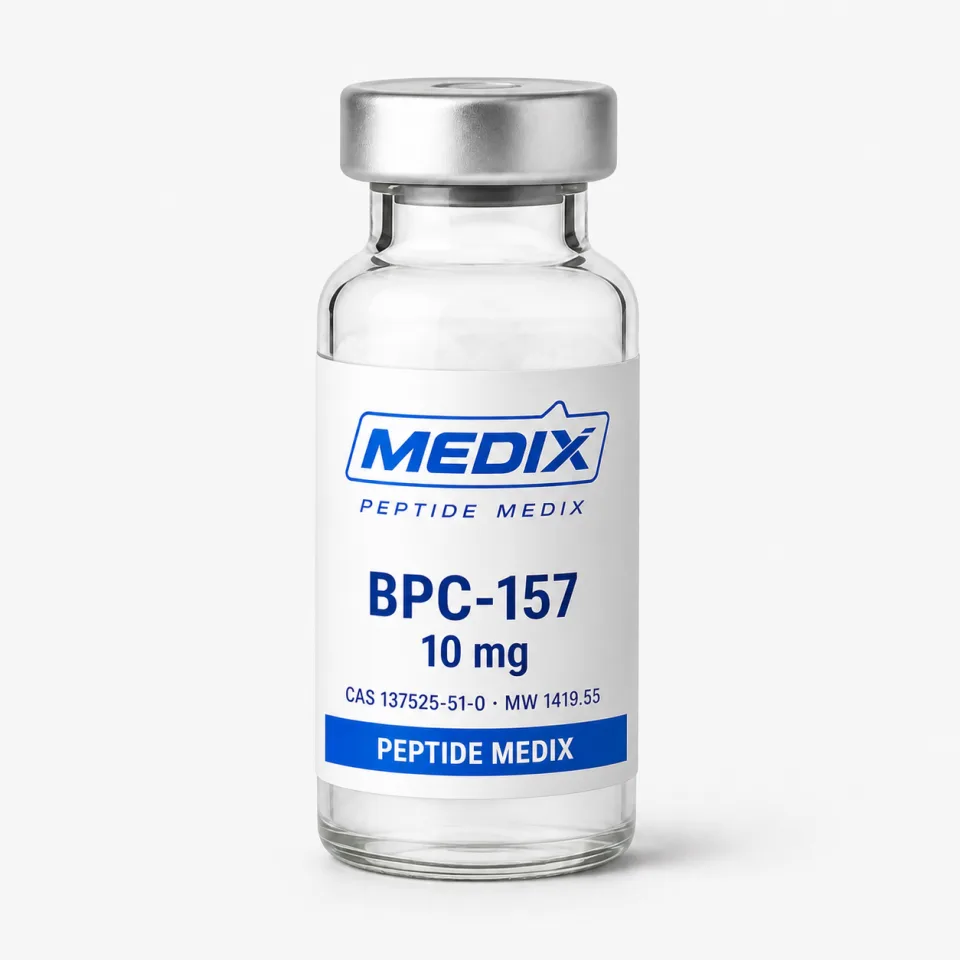
BPC-157

Peptide Medix

BPC-157

bpc-157

7 options

$34.00 $40.00

View options and product details

15% OFF
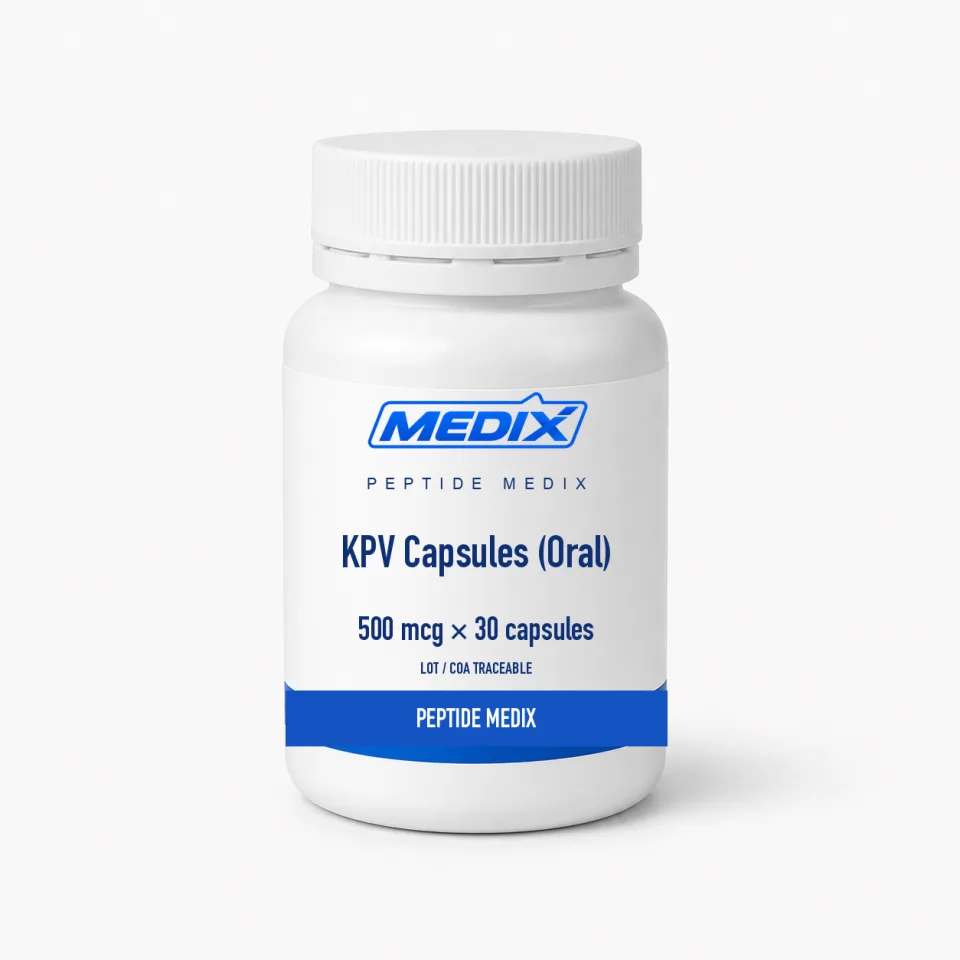
KPV Capsules (Oral)

Peptide Medix

KPV Capsules (Oral)

kpv capsules

2 options

$63.00 $75.00

View options and product details

15% OFF
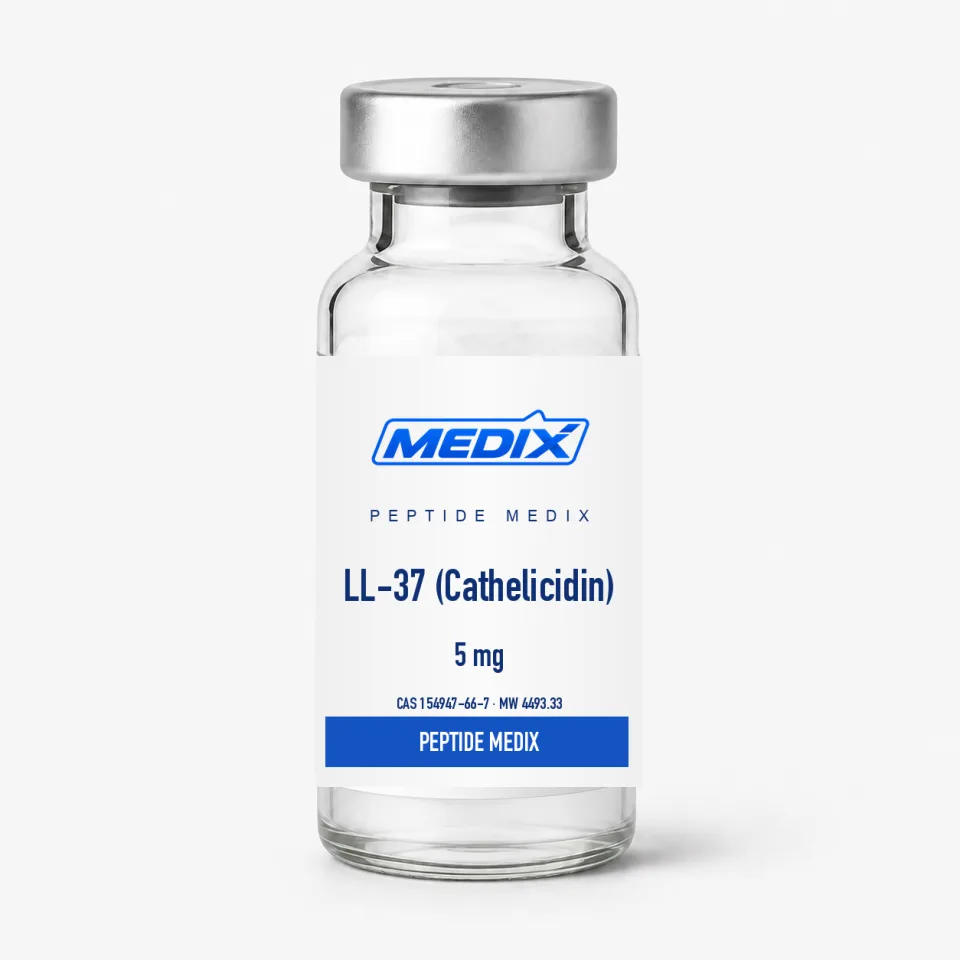
LL-37 (Cathelicidin)

Peptide Medix

LL-37 (Cathelicidin)

ll-37

2 options

$97.00 $115.00

View options and product details

15% OFF
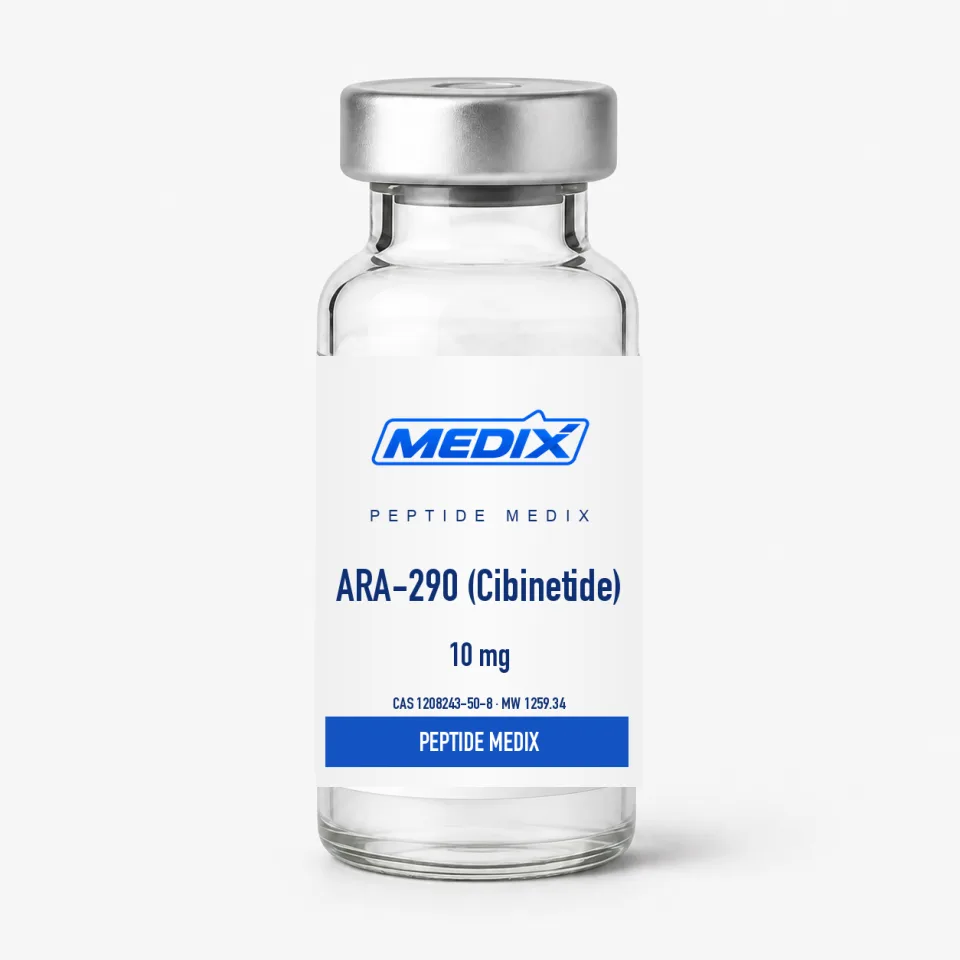
ARA-290 (Cibinetide)

Peptide Medix

ARA-290 (Cibinetide)

ara-290

2 options

$85.00 $100.00

View options and product details