Research Overview
What KPV is
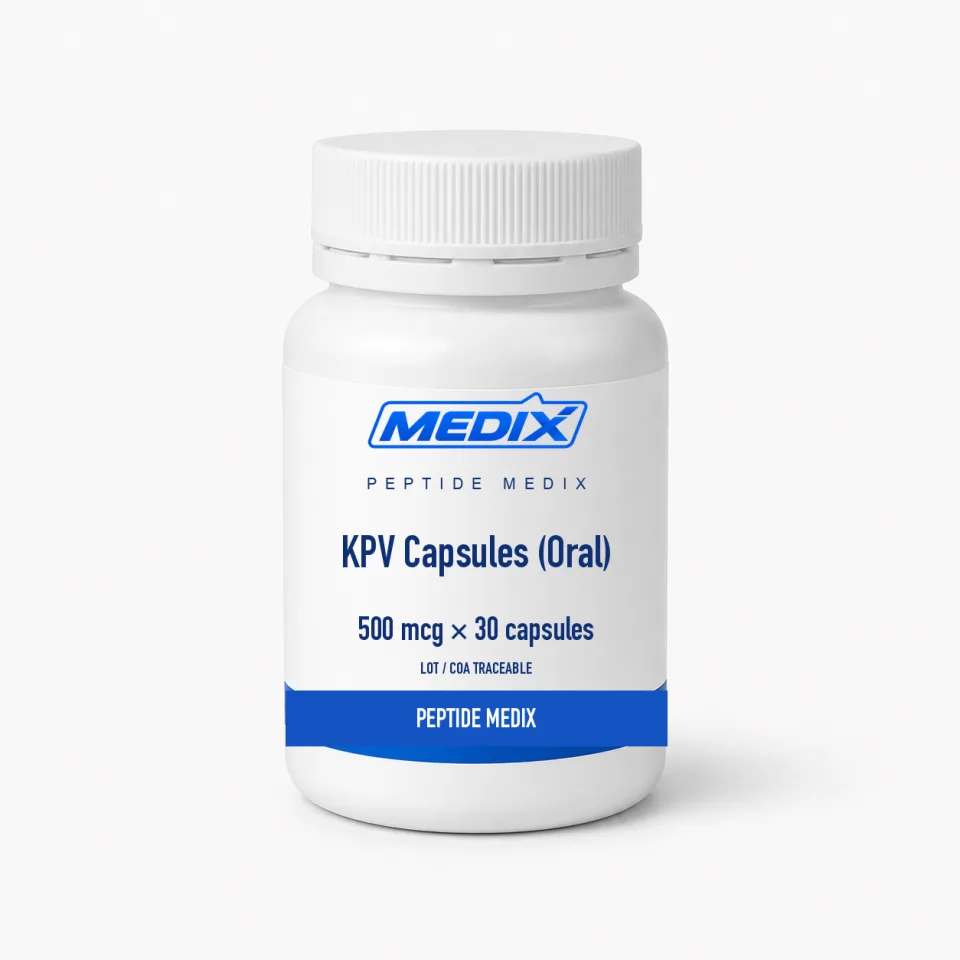
KPV reproduces the final three residues of alpha-melanocyte-stimulating hormone, a thirteen-residue hormone with documented roles in both pigmentation and inflammation. Structure-activity studies traced a large part of the anti-inflammatory character of the parent hormone to this tripeptide, and papers generally report that the fragment does not act through the classical melanocortin receptors responsible for pigmentation.
The oral rationale
Several groups have reported that KPV enters intestinal epithelial cells through PepT1, a proton-coupled oligopeptide transporter that normally handles di- and tripeptides from dietary protein. Reports that PepT1 expression rises in inflamed intestinal tissue have prompted interest in oral delivery specifically for gut-focused work, since transport capacity and the tissue of interest coincide.
Inflammatory signalling
Mechanistic work centres on interference with nuclear factor kappa B activation, with reduced nuclear translocation of the transcription factor and lower downstream expression of TNF-alpha and interleukin-6 in stimulated cells. Related studies examine epithelial tight-junction proteins and monolayer permeability in culture.
Colitis models
Mouse colitis models form the largest in-vivo literature, using oral, rectal and nanoparticle-delivered KPV. Reported endpoints include colon length, histological damage scoring and mucosal cytokine levels. The variety of delivery systems used makes direct comparison between studies difficult, a limitation the papers themselves usually acknowledge.