Peptide Medix product catalog

Peptide Medix

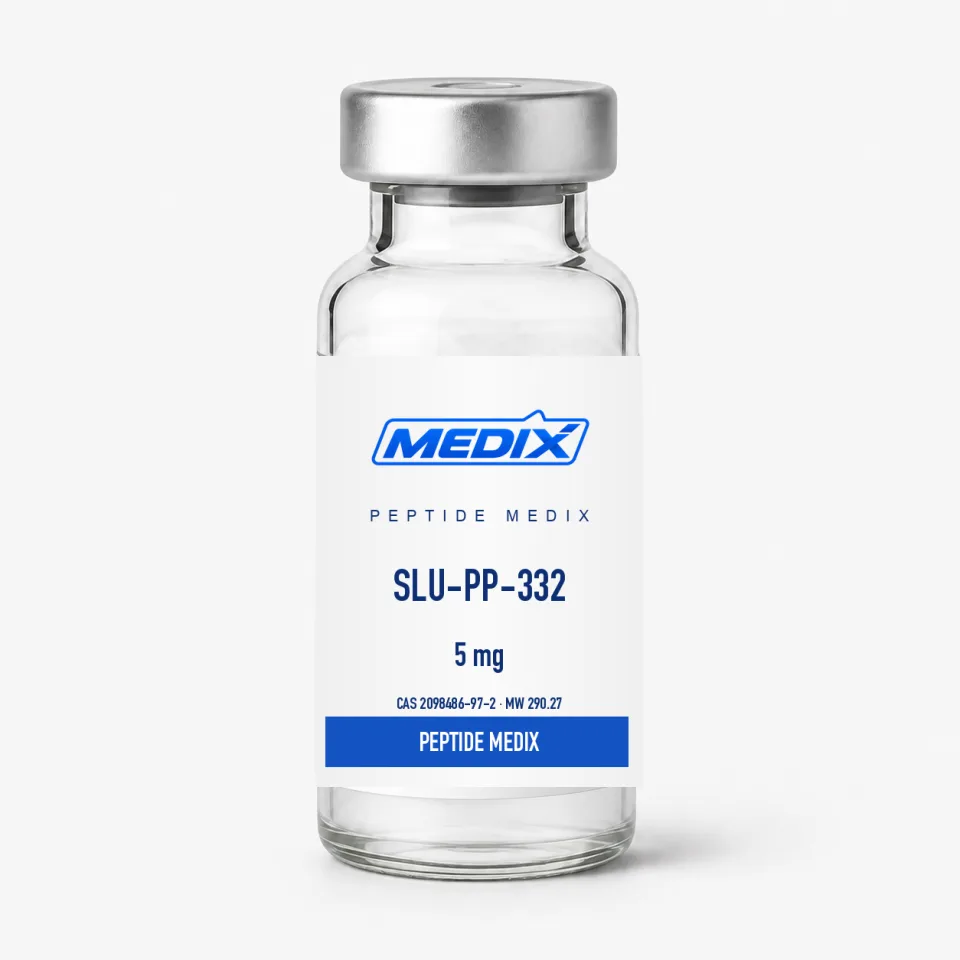
SLU-PP-332

Small-molecule pan-ERR agonist studied as an exercise-mimetic probe

Review catalog details Secure payments
Available to order · 2 of 2 options available
$76.00 $90.00 15% OFF

Choose an option

1
Categories: slu-pp-332 , err agonist , exercise mimetic research

Choose your delivery method

Standard Shipping is automatically selected at checkout. Customers can upgrade to a faster delivery option anytime.

Overview

SLU-PP-332 is a synthetic small molecule that acts as an agonist at the estrogen-related receptors (ERR alpha, beta and gamma) — orphan nuclear receptors that regulate the transcriptional program governing mitochondrial biogenesis, oxidative phosphorylation and fatty-acid oxidation in muscle. Despite the name, the receptors are not estrogen receptors and do not bind estradiol; they were named for sequence similarity and act largely through coactivators of the PGC-1 family.

The compound drew attention because ERR activation switches on many of the same genes that endurance exercise induces, which led to it being described in the literature as an exercise mimetic. That framing deserves a caveat researchers state plainly: the published data come from cell systems and mouse studies, and there is no human evidence. That gap is exactly why the molecule is useful as a probe — it lets laboratories ask which parts of the exercise transcriptional response are downstream of ERR signaling and which are not.

Specifications

Brand Peptide Medix
Category Fat-Loss & Metabolic Peptides
Form Lyophilized powder, sealed glass vial with flip-off seal
Purity ≥99% by HPLC; lot-matched COA available
Available sizes 5 mg, 10 mg
CAS number 2098486-97-2
Molecular weight 290.27 g/mol
Compound class Small-molecule nuclear receptor agonist (non-peptide)
Molecular target Estrogen-related receptors ERR alpha, beta and gamma
Research areas Mitochondrial biogenesis, fatty-acid oxidation, muscle endurance transcription
Evidence base Cell culture and rodent studies only; no human data published
Storage (solid) −20 °C, sealed and protected from light and moisture
Storage (in solution) 2–8 °C, protected from light; use within the study window
Solubility DMSO for concentrated stocks; dilute into assay medium or buffer
SKU SLU-PP-332-5-MG

Highlights

  • Small-molecule agonist at the estrogen-related receptors ERR alpha, beta and gamma
  • Studied as a chemical probe of the exercise-associated transcriptional program
  • ≥99% purity by HPLC with lot-matched certificate of analysis available
  • Two research sizes: 5 mg and 10 mg lyophilized vials
  • Published data are limited to cell and rodent models, with no human evidence
  • Used in mitochondrial biogenesis, fatty-acid oxidation and endurance research
  • Tested and shipped from a United States facility

What's Included

  • The vial option and size selected above
  • Final item and quantity confirmed in cart
  • Laboratory-research-use labeling

Research Overview

ERR receptor biology

Exercise-mimetic hypothesis

Endurance training raises PGC-1 alpha and, through it, ERR-driven transcription. A direct ERR agonist tests whether that arm alone is sufficient to reproduce the adaptation. Mouse studies have reported increased mitochondrial gene expression in skeletal muscle, shifts toward fatty-acid oxidation and changes in running performance, alongside reduced fat mass in diet-induced obesity models.

Cellular endpoints

  • Mitochondrial DNA copy number and oxidative-phosphorylation gene expression in myotubes
  • Oxygen consumption rate by extracellular flux analysis
  • Fatty-acid oxidation flux and substrate-preference measurements

Skeletal muscle and adipose readouts

In muscle preparations, investigators follow the coordinated induction of nuclear- and mitochondrial-encoded respiratory chain subunits, since ERR signaling is expected to move both. Adipose work looks instead at whether increased oxidative capacity shows up as reduced lipid storage, and rodent studies pair those tissue measurements with body-composition and treadmill-performance endpoints so transcriptional change can be linked to a functional one.

Interpreting the evidence honestly

Every published result to date comes from cell culture or rodent models. Pharmacokinetics, tissue selectivity and long-term consequences of chronic ERR activation are open questions, and cardiac ERR signaling in particular is an area investigators watch. The compound has also drawn anti-doping attention as a possible exercise-mimetic agent, which is worth noting for laboratories working with athlete-derived samples.

Comparative use

Studies frequently pair SLU-PP-332 with mitochondrial uncouplers, NAD-plus modulators or AMPK activators to distinguish transcriptional adaptation, which takes hours to days, from acute bioenergetic change that appears within minutes. Combination designs of that kind are also how the compound is most often used in oral capsule research formats.
Handling & Storage

Bring the sealed vial to room temperature before opening. This is a small molecule rather than a peptide, and most laboratories prepare a concentrated stock in DMSO, then dilute into assay medium or buffer so the final solvent concentration stays low and identical across all wells including vehicle controls. Confirm the compound stays in solution after dilution, since precipitation at higher working concentrations is a common source of inconsistent results. Store the solid at −20 °C protected from light and moisture, keep stocks aliquoted and refrigerated, and record preparation dates. Research use only.

SLU-PP-332 FAQ

Does SLU-PP-332 act on estrogen receptors?
No. The estrogen-related receptors share sequence similarity with estrogen receptors but do not bind estradiol and are functionally distinct. They act as constitutively active orphan nuclear receptors regulating oxidative metabolism genes, mainly through PGC-1 family coactivators.
What purity and documentation are supplied?
Each lot is HPLC tested to at least 99% purity, and a lot-matched certificate of analysis is available. The COA corresponds to the vial number shipped, so purity data stays traceable to the exact material used in your experiments.
Why is DMSO usually used instead of water?
SLU-PP-332 is a small hydrophobic molecule rather than a peptide, so aqueous solubility is limited. Preparing a concentrated DMSO stock and diluting into medium is the standard approach, with vehicle-matched controls run alongside every condition.
How should it be stored?
Keep the sealed solid at −20 °C, protected from light and moisture. Store prepared stocks at 2–8 °C, protected from light, and use within your documented study window. Aliquot so that stocks are not repeatedly warmed and cooled.

This catalog listing is for laboratory research use only. It is not represented as a drug, food, supplement, cosmetic or diagnostic product, and it is not offered for human or veterinary use.

Customer Reviews

0 reviews
5 star
0%
4 star
0%
3 star
0%
2 star
0%
1 star
0%

Leave Your Review

Rating

No reviews yet — be the first!

Leave Your Review

Rating

Keep exploring

Related Products & Shopping Guides

Compare SLU-PP-332 with relevant categories, product topics, and practical shopping information.

Often researched together

Related research peptides, blends and lab supplies frequently ordered with SLU-PP-332.

15% OFF
5-Amino-1MQ

Peptide Medix

5-Amino-1MQ

5-amino-1mq

2 options

$80.00 $95.00

View options and product details

15% OFF
MOTS-c

Peptide Medix

MOTS-c

mots-c

4 options

$55.00 $65.00

View options and product details

15% OFF
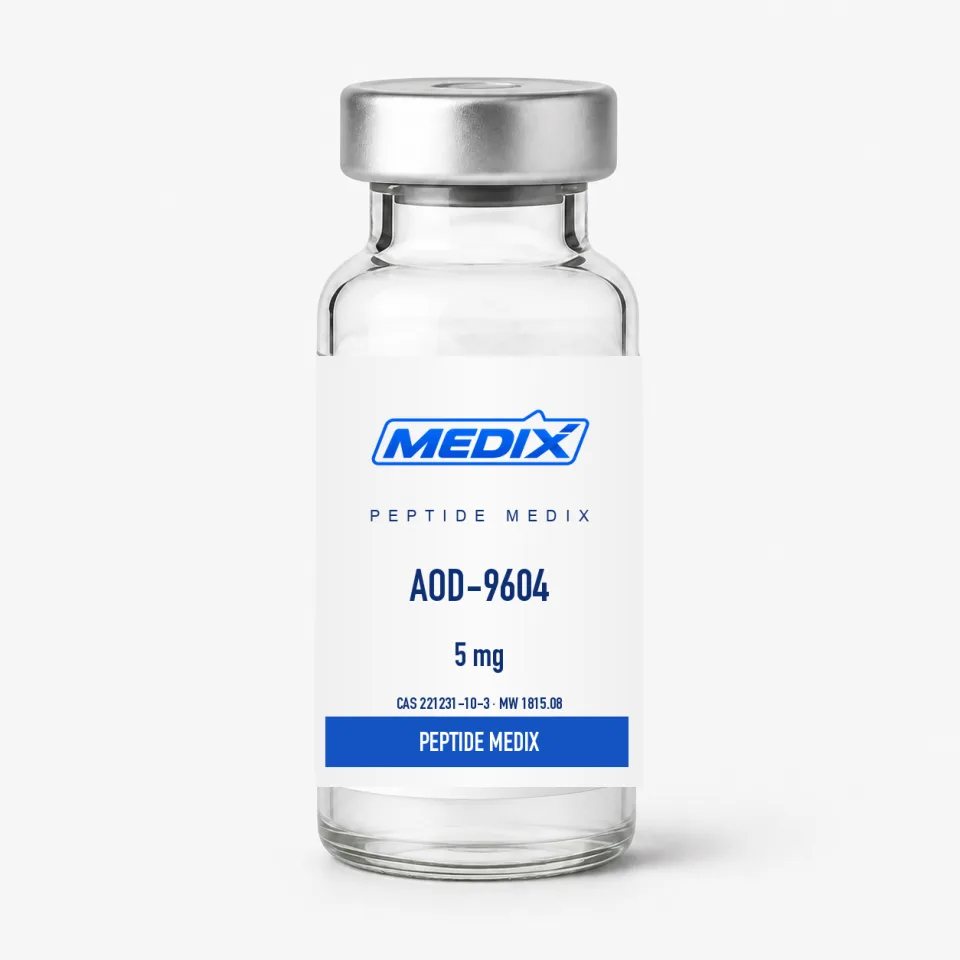
AOD-9604

Peptide Medix

AOD-9604

aod-9604

2 options

$63.00 $75.00

View options and product details

15% OFF
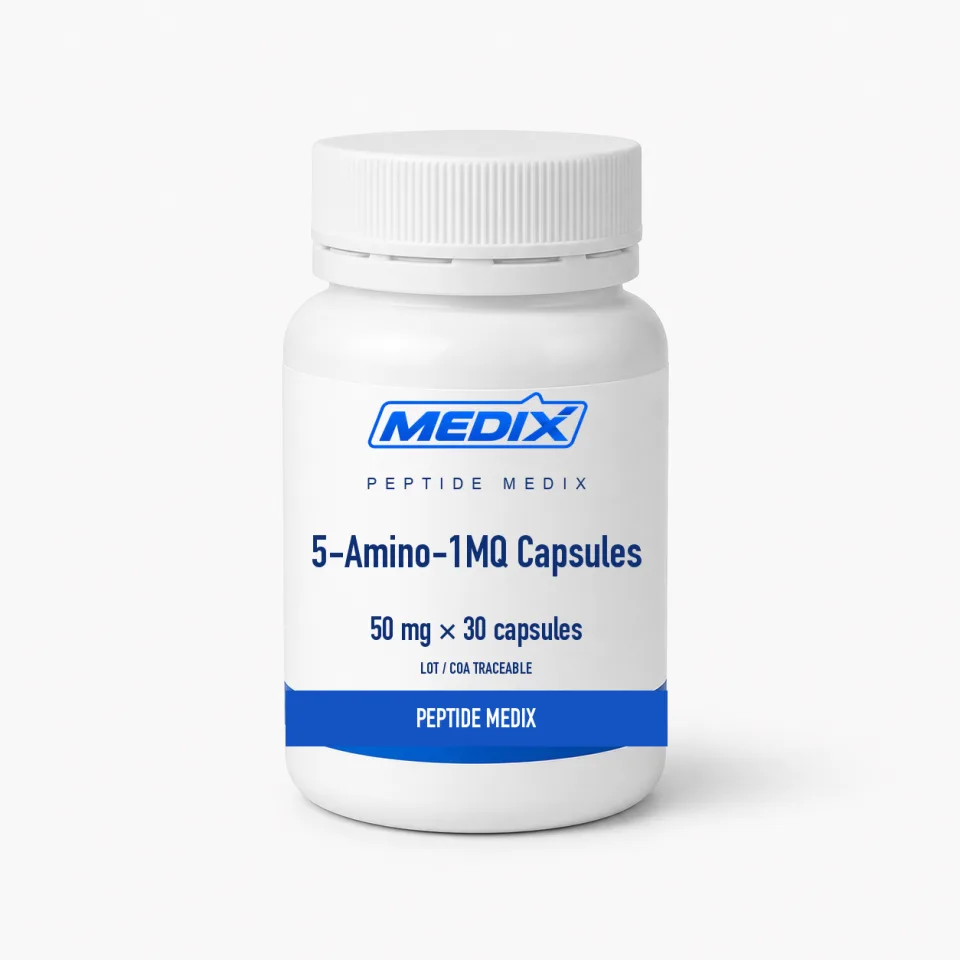
5-Amino-1MQ Capsules

Peptide Medix

5-Amino-1MQ Capsules

5-amino-1mq capsules

2 options

$72.00 $85.00

View options and product details

15% OFF
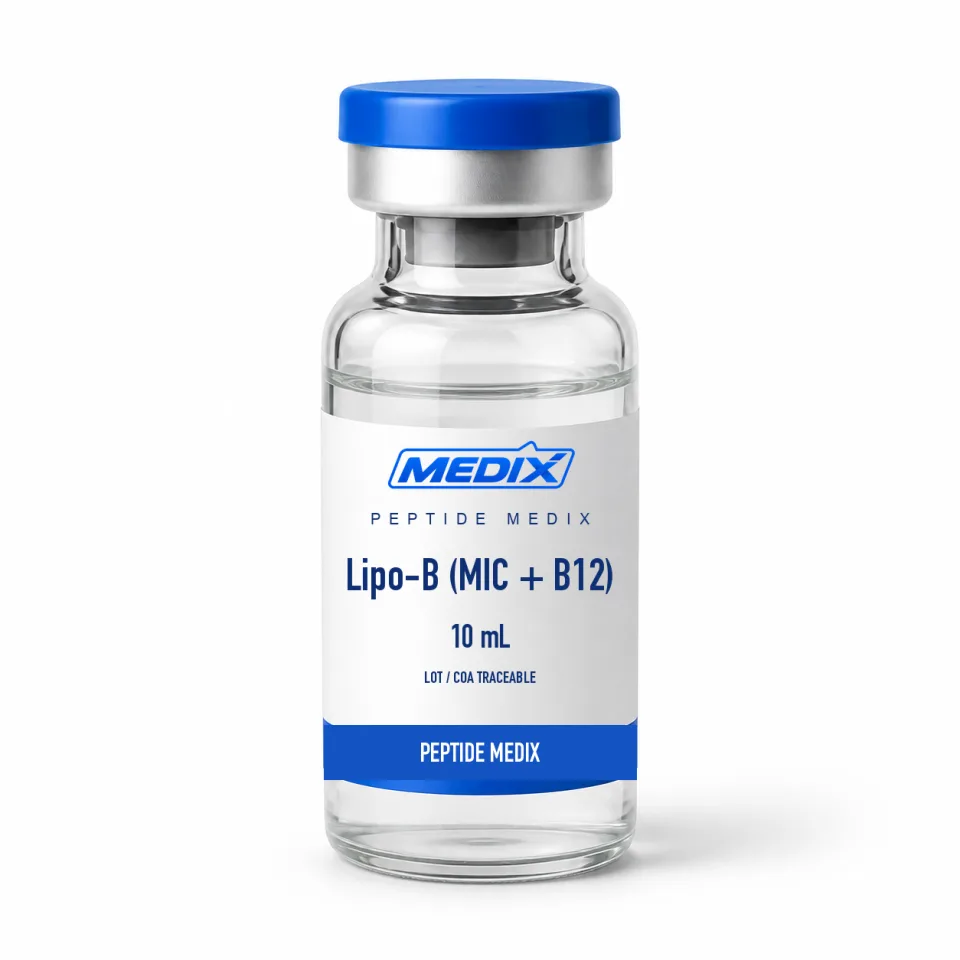
Lipo-B (MIC + B12)

Peptide Medix

Lipo-B (MIC + B12)

lipo-b

2 options

$34.00 $40.00

View options and product details

15% OFF
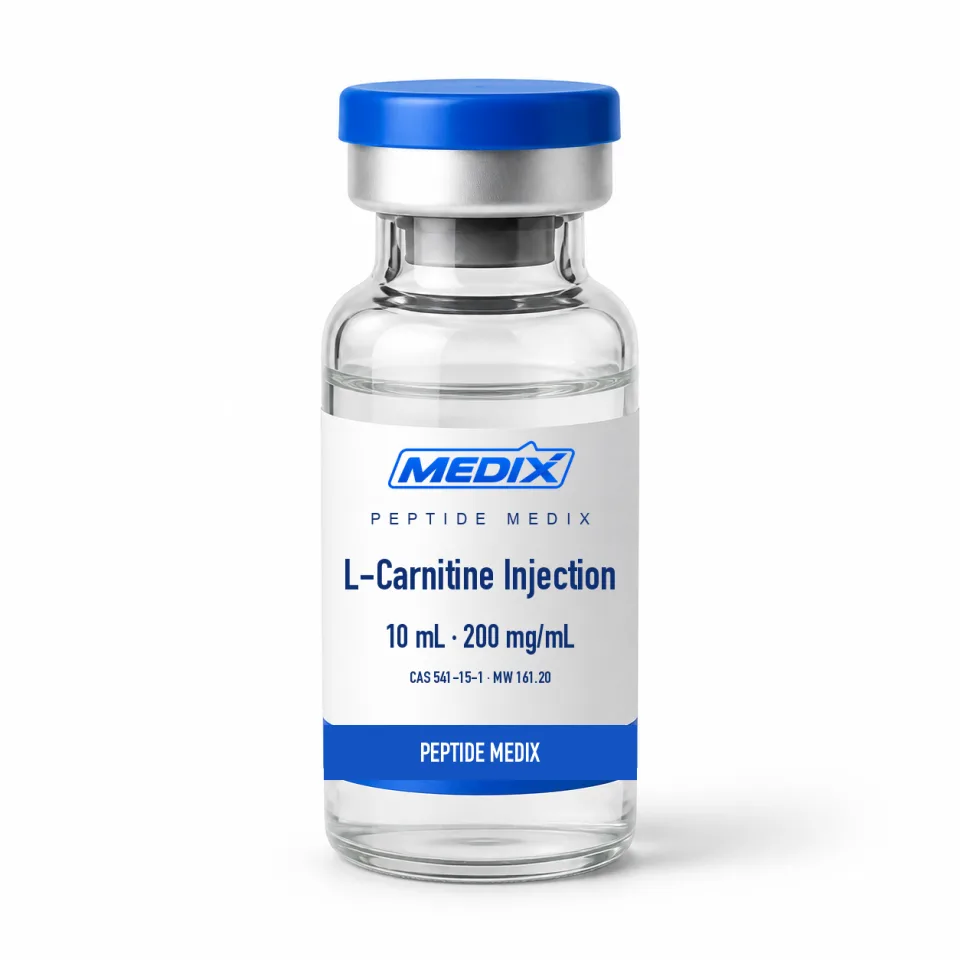
L-Carnitine Injection

Peptide Medix

L-Carnitine Injection

l-carnitine

2 options

$38.00 $45.00

View options and product details