Peptide Medix product catalog

Peptide Medix

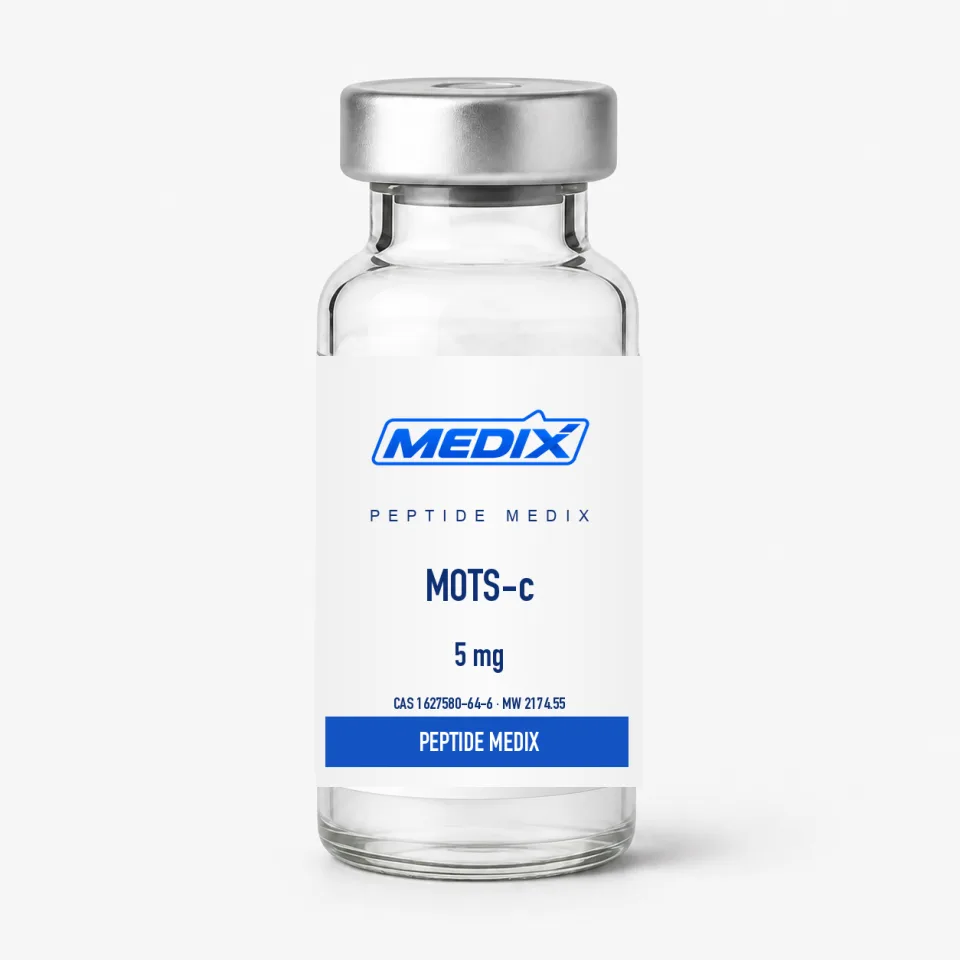
MOTS-c

16-amino-acid mitochondrial-derived peptide for metabolic signaling research

Review catalog details Secure payments
Available to order · 4 of 4 options available
$55.00 $65.00 15% OFF

Choose an option

1
Categories: mots-c , mitochondrial peptides , mitochondrial-derived peptide

Choose your delivery method

Standard Shipping is automatically selected at checkout. Customers can upgrade to a faster delivery option anytime.

Overview

MOTS-c (mitochondrial open reading frame of the twelve S rRNA type-c) is a 16-amino-acid peptide encoded not in the nuclear genome but within the mitochondrial 12S rRNA gene. It belongs to the small family of mitochondrial-derived peptides (MDPs) alongside humanin and the SHLP series, and it was first described in 2015 as a signal that mitochondria appear to send to the rest of the cell about their metabolic state.

Specifications

Brand Peptide Medix
Category Mitochondrial Peptides
Form Lyophilized powder, sealed glass vial
Purity ≥99% by HPLC; lot-matched COA
Available sizes 10 mg, 20 mg, 40 mg
CAS number 1627580-64-6
Molecular formula C101H152N28O22S2
Molecular weight 2174.55 g/mol
Amino acid sequence Met-Arg-Trp-Gln-Glu-Met-Gly-Tyr-Ile-Phe-Tyr-Pro-Arg-Lys-Leu-Arg
Chain length 16 amino acids
Peptide class Mitochondrial-derived peptide (MDP)
Research areas AMPK signaling, glucose and lipid metabolism, mitochondrial stress response, exercise physiology
Solubility Bacteriostatic or sterile water; aqueous buffers
Storage (lyophilized) −20 °C, protected from light and moisture
Storage (reconstituted) 2–8 °C, used within the study window
SKU MOTS-C-5-MG

Highlights

  • ≥99% purity by HPLC with mass-spec identity confirmation and a lot-matched COA
  • Available in 10 mg, 20 mg and 40 mg lyophilized vials
  • Mitochondrial-derived peptide (MDP) encoded in the 12S rRNA region of mtDNA
  • 16-residue sequence confirmed against the reference standard on every lot
  • White to off-white lyophilized powder in a sealed, light-protected vial
  • Studied in AMPK, one-carbon metabolism and skeletal-muscle bioenergetics models
  • Synthesized, tested and shipped from a United States facility
  • Supplied for laboratory research use only — not a drug or supplement

What's Included

  • The vial option and size selected above
  • Final item and quantity confirmed in cart
  • Laboratory-research-use labeling

Research Overview

Origin and discovery

MOTS-c was identified by scanning the mitochondrial genome for short open reading frames capable of producing bioactive peptides. The resulting 16-residue product is translated from the 12S rRNA region and has been detected in plasma and multiple tissues, which is why it is often described in the literature as a mitochondrial signal acting on the nucleus — a form of retrograde communication.

Metabolic signaling

Most published work examines the peptide in the context of energy sensing:

  • Reported activation of the AMPK pathway in cultured cells and rodent skeletal muscle
  • Effects on glucose uptake and insulin sensitivity described in diet-induced obesity models
  • Changes in fatty-acid oxidation markers reported in isolated muscle preparations

Aging and exercise models

Genetic variation

A mitochondrial single-nucleotide variant (m.1382A>C) changes one residue of the peptide and is enriched in certain Northeast Asian populations. Association studies of this variant with longevity and metabolic phenotypes are ongoing and remain an active question rather than a settled finding.

Analytical notes

The sequence contains two methionine residues and a tryptophan, so oxidation and light exposure are relevant stability considerations. Researchers commonly verify integrity by LC-MS after reconstitution when a preparation is stored for an extended period.
Handling & Storage

Allow the sealed vial to reach room temperature before opening so that condensation does not settle on the lyophilized cake. Reconstitute by directing the diluent slowly down the vial wall rather than onto the powder, then swirl gently until the solution is clear; do not shake or vortex aggressively, as mechanical stress can degrade the peptide. Keep working solutions cold and protected from light, aliquot to avoid repeated freeze–thaw cycles, and record the reconstitution date on the vial. Store unopened vials at −20 °C. All handling should follow standard laboratory practice for research chemicals.

MOTS-c FAQ

What is MOTS-c?
MOTS-c is a 16-amino-acid peptide encoded within the mitochondrial 12S rRNA gene rather than in nuclear DNA. It is classified as a mitochondrial-derived peptide and is studied in laboratory models of energy metabolism, AMPK signaling and mitochondrial stress responses.
Is this MOTS-c third-party tested?
Yes. Every lot is analyzed by HPLC for purity and by mass spectrometry for identity, and a lot-matched Certificate of Analysis is available on the product page before you order. The COA documents purity, mass confirmation and the analytical methods used.
What sizes are available?
MOTS-c is supplied in 10 mg, 20 mg and 40 mg lyophilized vials. Larger vials reduce the per-milligram cost for laboratories running extended studies, while the 10 mg vial suits pilot experiments and assay development.
How should MOTS-c be stored?
Store the lyophilized powder at −20 °C, protected from light and moisture; at that temperature the material is stable for long periods. Once reconstituted, keep the solution refrigerated at 2–8 °C, aliquot it, and minimize freeze–thaw cycles.
What is MOTS-c dissolved in?
Bacteriostatic water is the most common reconstitution medium in research workflows, and sterile water or standard aqueous buffers are also used depending on the assay. Add diluent slowly along the vial wall and swirl rather than shake.
Is MOTS-c related to humanin?
Both are mitochondrial-derived peptides encoded in mitochondrial DNA, but they are distinct molecules with different sequences, lengths and reported signaling profiles. Humanin is a 24-residue peptide from the 16S rRNA region; MOTS-c is 16 residues from the 12S region.

This catalog listing is for laboratory research use only. It is not represented as a drug, food, supplement, cosmetic or diagnostic product, and it is not offered for human or veterinary use.

Customer Reviews

0 reviews
5 star
0%
4 star
0%
3 star
0%
2 star
0%
1 star
0%

Leave Your Review

Rating

No reviews yet — be the first!

Leave Your Review

Rating

Keep exploring

Related Products & Shopping Guides

Compare MOTS-c with relevant categories, product topics, and practical shopping information.

Often researched together

Related research peptides, blends and lab supplies frequently ordered with MOTS-c.

15% OFF
SS-31 (Elamipretide)

Peptide Medix

SS-31 (Elamipretide)

ss-31

3 options

$72.00 $85.00

View options and product details

15% OFF
Humanin

Peptide Medix

Humanin

humanin

2 options

$85.00 $100.00

View options and product details

15% OFF
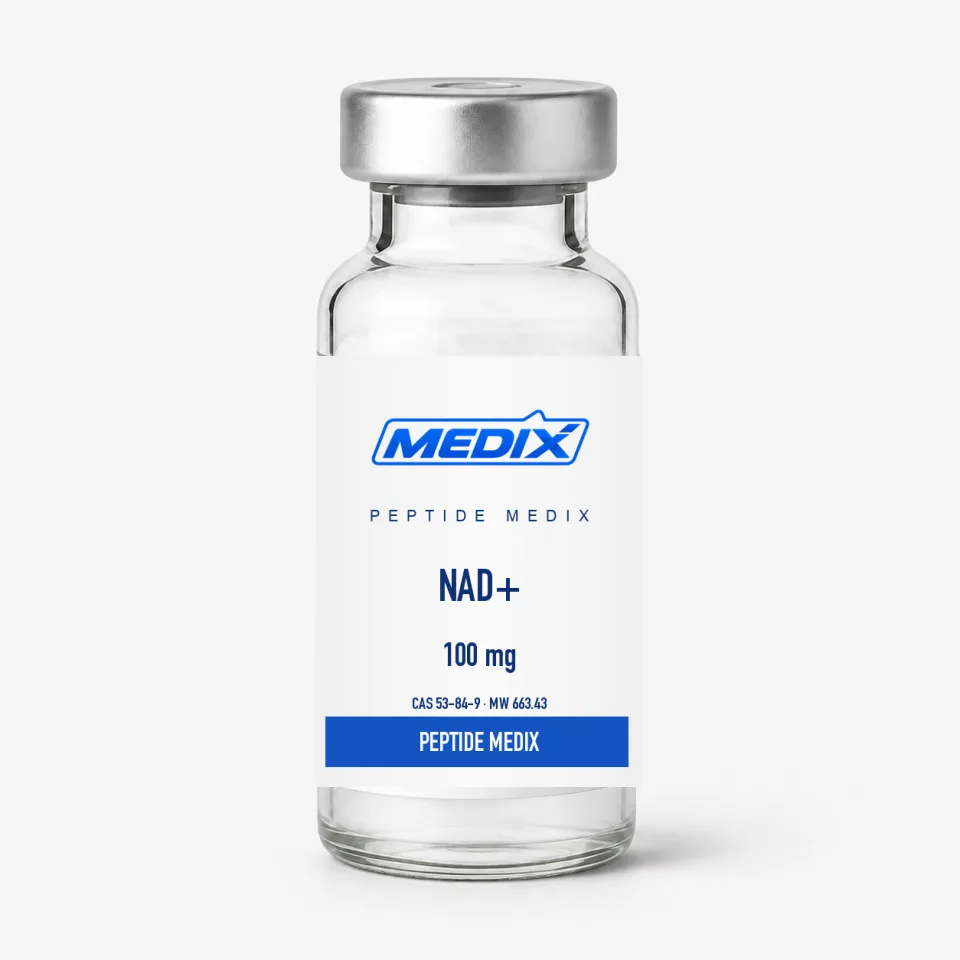
NAD+

Peptide Medix

NAD+

nad+

4 options

$38.00 $45.00

View options and product details

15% OFF
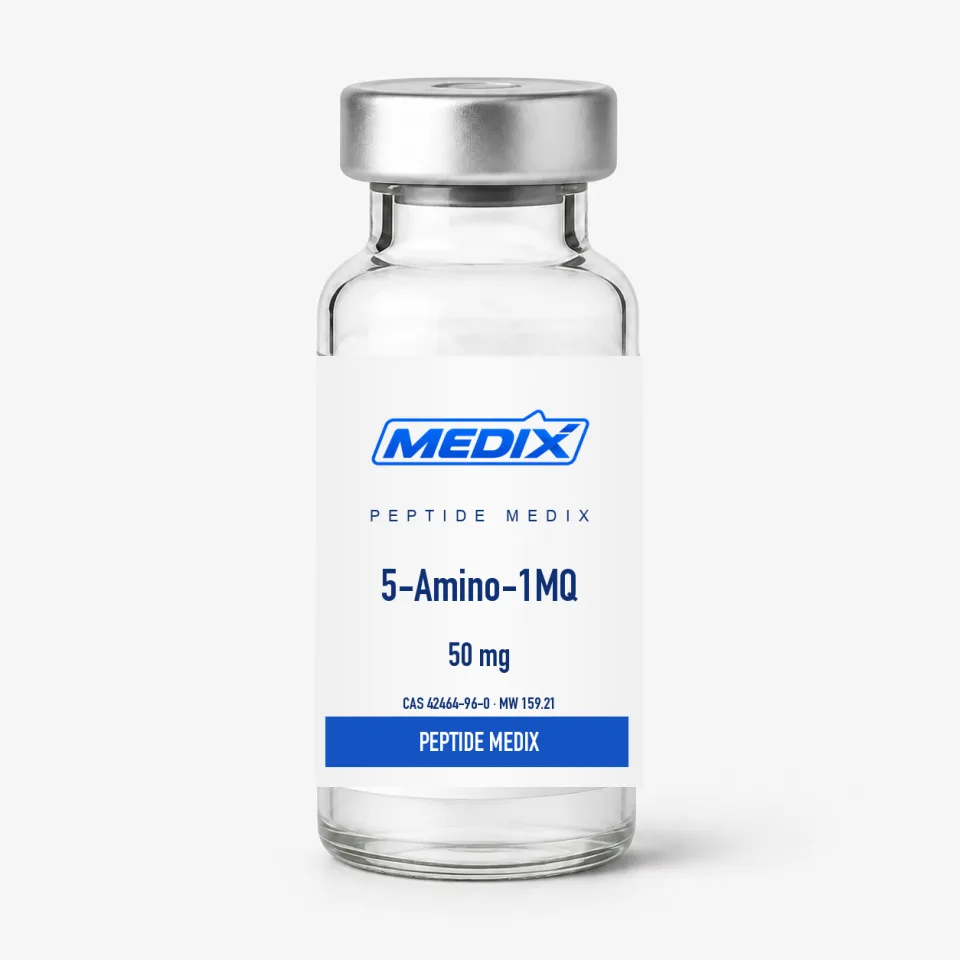
5-Amino-1MQ

Peptide Medix

5-Amino-1MQ

5-amino-1mq

2 options

$80.00 $95.00

View options and product details

15% OFF
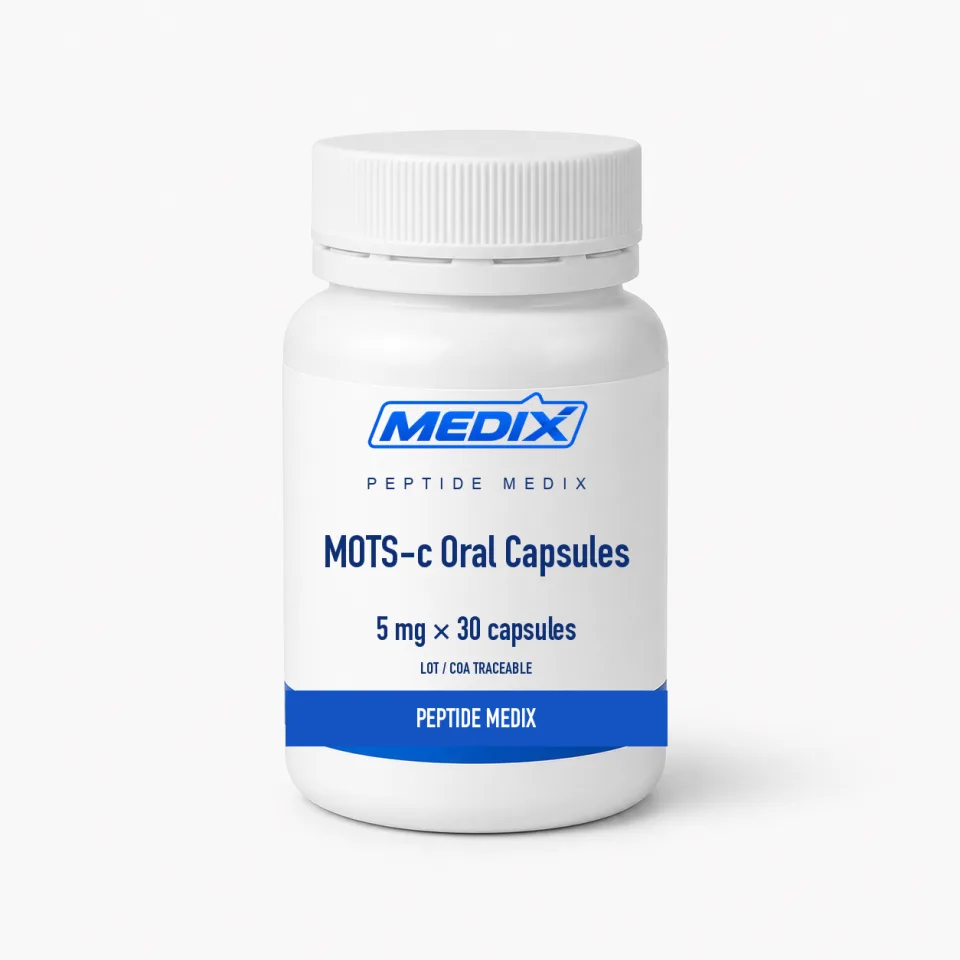
MOTS-c Oral Capsules

Peptide Medix

MOTS-c Oral Capsules

mots-c capsules
$97.00 $115.00

View options and product details

15% OFF
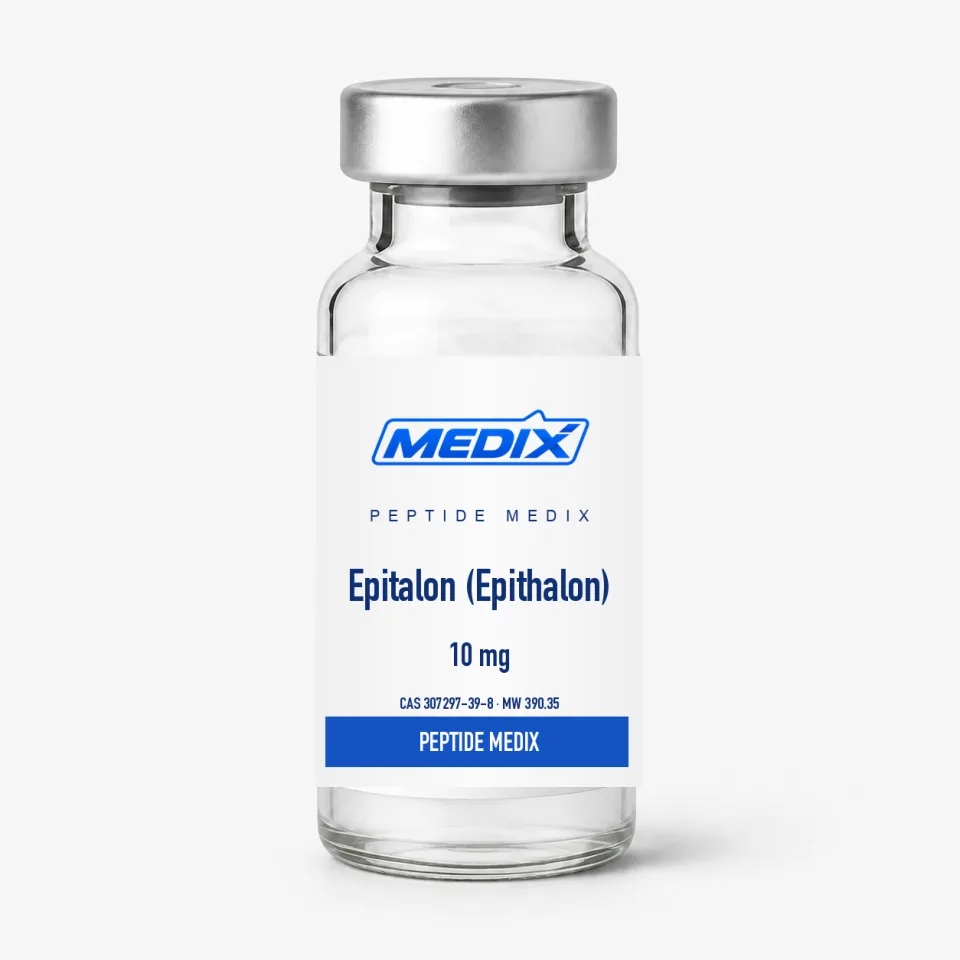
Epitalon (Epithalon)

Peptide Medix

Epitalon (Epithalon)

epitalon

4 options

$63.00 $75.00

View options and product details