Peptide Medix product catalog

Peptide Medix

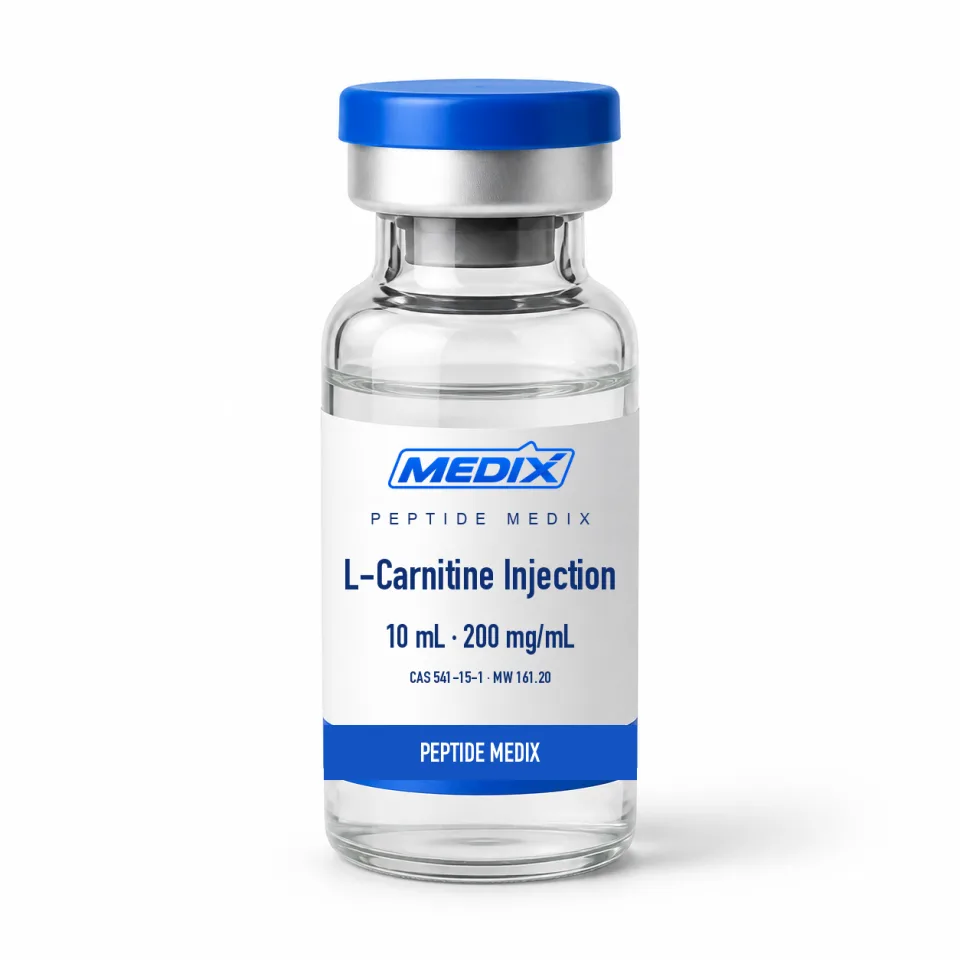
L-Carnitine Injection

Levocarnitine 200 mg/mL solution for mitochondrial fatty-acid transport research

Review catalog details Secure payments
Available to order · 2 of 2 options available
$38.00 $45.00 15% OFF

Choose an option

1
Categories: l-carnitine , levocarnitine , fat metabolism research

Choose your delivery method

Standard Shipping is automatically selected at checkout. Customers can upgrade to a faster delivery option anytime.

Overview

L-carnitine is a small quaternary ammonium compound synthesised in the body from lysine and methionine, with a hydroxyl and a carboxylate group that let it form reversible esters with fatty acyl groups. That single chemical trick is the basis of the carnitine shuttle: long-chain fatty acids cannot cross the inner mitochondrial membrane as CoA thioesters, so carnitine palmitoyltransferase 1 transfers the acyl group to carnitine, a translocase carries the acylcarnitine across, and CPT2 hands it back to coenzyme A for beta-oxidation. Only the L-enantiomer is biologically active; the D-form is an inhibitor and is not used in research preparations.

This listing is a ready-mixed aqueous solution of levocarnitine at 200 mg/mL, supplied in 10 mL and 30 mL sealed vials. The solution format removes weighing and dissolution steps for laboratories running metabolic, mitochondrial or acylcarnitine-profiling work, and it is the same concentration convention used in the compounded lipotropic preparations that combine carnitine with MIC nutrients and B12.

Specifications

Brand Peptide Medix
Category Fat-Loss & Metabolic Peptides
Concentration 200 mg/mL levocarnitine
Available sizes 10 mL (2 g total), 30 mL (6 g total)
CAS number 541-15-1 (L-carnitine)
Molecular formula C7H15NO3
Molecular weight 161.20 g/mol
Chemical class Quaternary ammonium betaine; zwitterionic at physiological pH
Stereochemistry L-enantiomer only — the D-form is biologically inactive
Biochemical role Acyl-group carrier in the CPT1 / CACT / CPT2 mitochondrial shuttle
Research areas Fatty-acid beta-oxidation, acylcarnitine profiling, mitochondrial bioenergetics, exercise-metabolism models
Solubility Freely water soluble; the solid is strongly hygroscopic
Storage 15–25 °C, protected from light; refrigeration acceptable, do not freeze
Documentation Lot-matched COA reporting identity and concentration
SKU L-CARNITINE-INJECTION-10-ML-200-MG-ML

Highlights

  • Ready-mixed levocarnitine solution at 200 mg/mL — no weighing or reconstitution
  • L-enantiomer only; the D-form is inactive and is excluded
  • Central carrier in the CPT1 / translocase / CPT2 mitochondrial fatty-acid shuttle
  • Studied in beta-oxidation, acylcarnitine profiling and mitochondrial bioenergetics models
  • Lot-matched certificate of analysis available for concentration and identity
  • Ships from a United States facility with tracked delivery

What's Included

  • The vial option and size selected above
  • Final item and quantity confirmed in cart
  • Laboratory-research-use labeling

Research Overview

The carnitine shuttle

Long-chain acyl-CoA species cannot pass the inner mitochondrial membrane. Carnitine palmitoyltransferase 1, sitting in the outer membrane, esterifies the acyl group onto carnitine; carnitine-acylcarnitine translocase exchanges the acylcarnitine inward against free carnitine moving out; CPT2 on the matrix side regenerates acyl-CoA for beta-oxidation. Because CPT1 is inhibited by malonyl-CoA, the whole system sits at the junction between fatty-acid synthesis and oxidation, which is why it appears so often in metabolic-flux research.

What research has examined

  • Substrate-switching studies in isolated mitochondria and permeabilised fibres
  • Acylcarnitine profiling by tandem mass spectrometry as a readout of incomplete beta-oxidation
  • Buffering of the mitochondrial acyl-CoA to free-CoA ratio under substrate overload
  • Cell-culture models of carnitine transport through the OCTN2 (SLC22A5) transporter
  • Exercise and skeletal-muscle metabolism models in animals

Analytical notes

Carnitine is a zwitterion with no useful chromophore, so quantification generally relies on mass spectrometry, enzymatic assay or derivatisation rather than simple UV detection. The solid form is markedly hygroscopic, which is one practical reason laboratories prefer a pre-made solution: a weighed powder that has absorbed atmospheric water gives a concentration error that propagates through every subsequent dilution.
Regulatory and interpretive context

Handling & Storage

Store vials upright at controlled room temperature, protected from light; refrigeration is acceptable but do not freeze the solution. Wipe the stopper with an alcohol prep pad before each withdrawal and use a fresh sterile needle and syringe to avoid seeding the vial with contaminants — the solution contains no peptide but is still a multi-use container. Inspect for particulates, cloudiness or discoloration before use and discard the vial if any are present. Record the lot number and first-open date with your experimental data, and keep the in-use window short once the seal has been broken.

L-Carnitine Injection FAQ

What concentration and volumes are supplied?
Both sizes are 200 mg/mL levocarnitine in aqueous solution: a 10 mL vial containing 2 g total and a 30 mL vial containing 6 g total. The concentration is verified per lot and reported on the certificate of analysis supplied with the batch.
Why solution rather than powder?
Solid L-carnitine is strongly hygroscopic and picks up atmospheric moisture during weighing, which introduces a concentration error into every downstream dilution. A pre-mixed, lot-verified solution removes that variable and saves a preparation step in metabolic assay work.
Is a certificate of analysis available?
Yes. Each lot ships with a matching COA reporting identity and measured concentration. Quote the lot number when requesting a copy, and file it with your records so material grade can be reported alongside experimental results.
How does L-carnitine relate to Lipo-C?
Lipo-C is a compounded lipotropic solution combining methionine, inositol and choline with vitamin B12 and L-carnitine. This listing is the single compound on its own, which is the format laboratories prefer when carnitine itself is the variable being studied rather than a mixture.
Can this be administered to people or animals?
No. It is supplied strictly for laboratory research use by qualified personnel. It is not a drug, supplement or veterinary product as sold, and it must not be administered to humans or animals outside an approved research protocol.

This catalog listing is for laboratory research use only. It is not represented as a drug, food, supplement, cosmetic or diagnostic product, and it is not offered for human or veterinary use.

Customer Reviews

0 reviews
5 star
0%
4 star
0%
3 star
0%
2 star
0%
1 star
0%

Leave Your Review

Rating

No reviews yet — be the first!

Leave Your Review

Rating

Keep exploring

Related Products & Shopping Guides

Compare L-Carnitine Injection with relevant categories, product topics, and practical shopping information.

Often researched together

Related research peptides, blends and lab supplies frequently ordered with L-Carnitine Injection.

15% OFF
5-Amino-1MQ

Peptide Medix

5-Amino-1MQ

5-amino-1mq

2 options

$80.00 $95.00

View options and product details

15% OFF
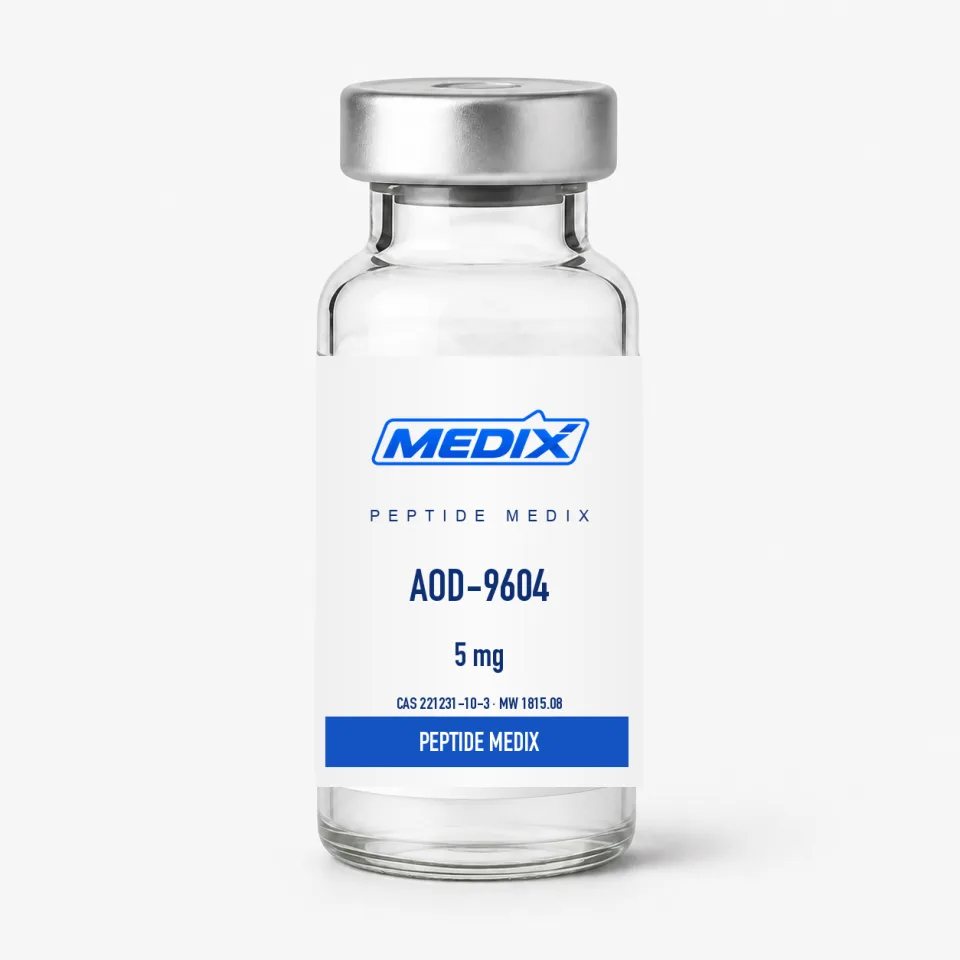
AOD-9604

Peptide Medix

AOD-9604

aod-9604

2 options

$63.00 $75.00

View options and product details

15% OFF
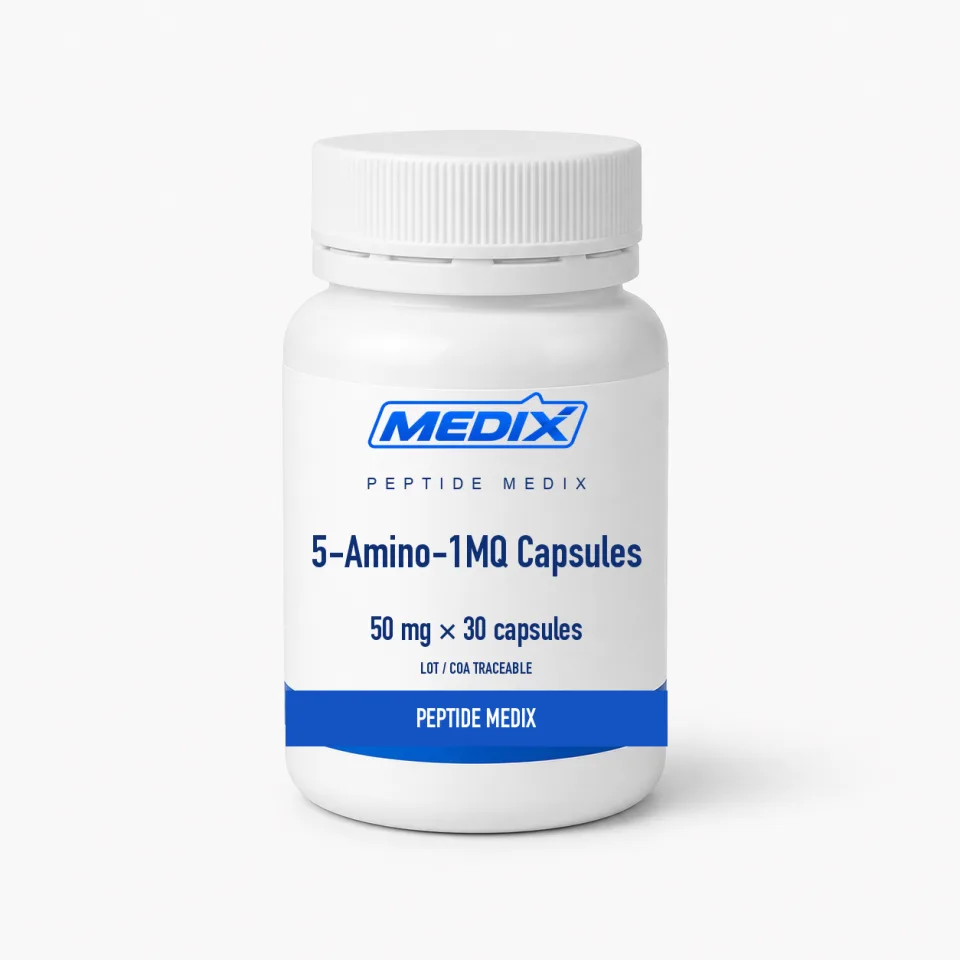
5-Amino-1MQ Capsules

Peptide Medix

5-Amino-1MQ Capsules

5-amino-1mq capsules

2 options

$72.00 $85.00

View options and product details

15% OFF
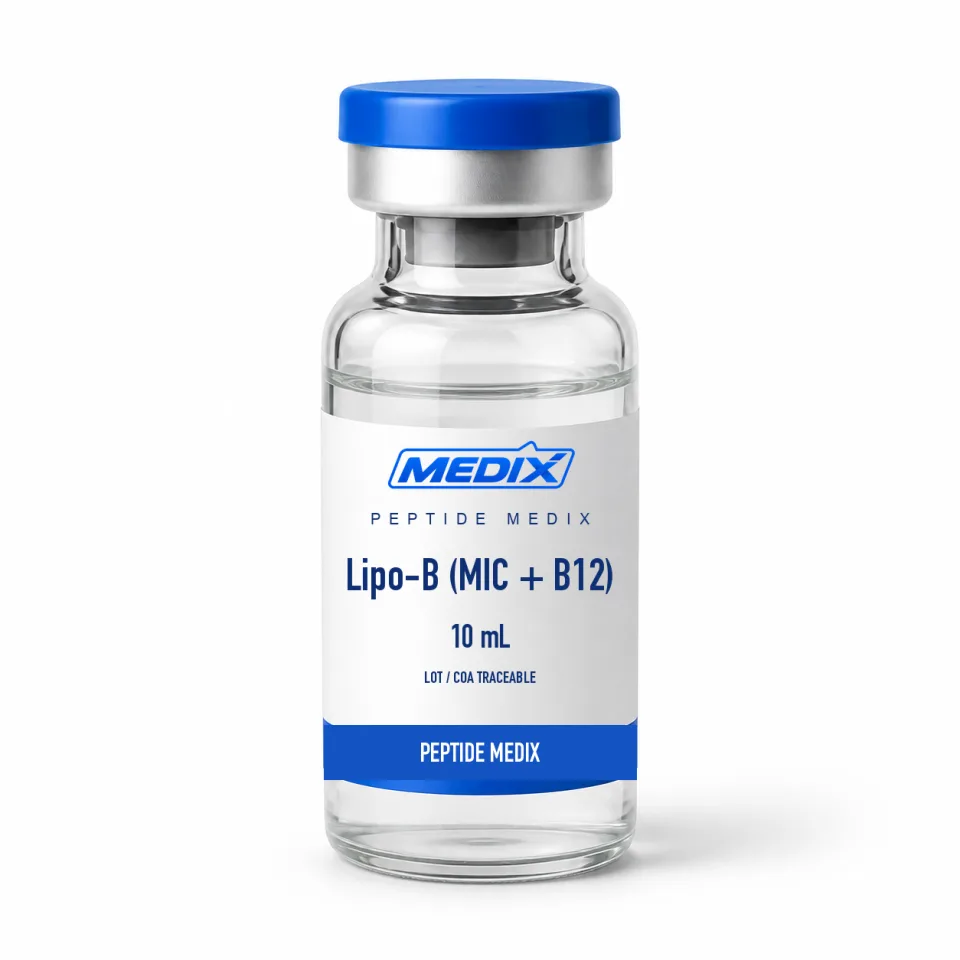
Lipo-B (MIC + B12)

Peptide Medix

Lipo-B (MIC + B12)

lipo-b

2 options

$34.00 $40.00

View options and product details

15% OFF
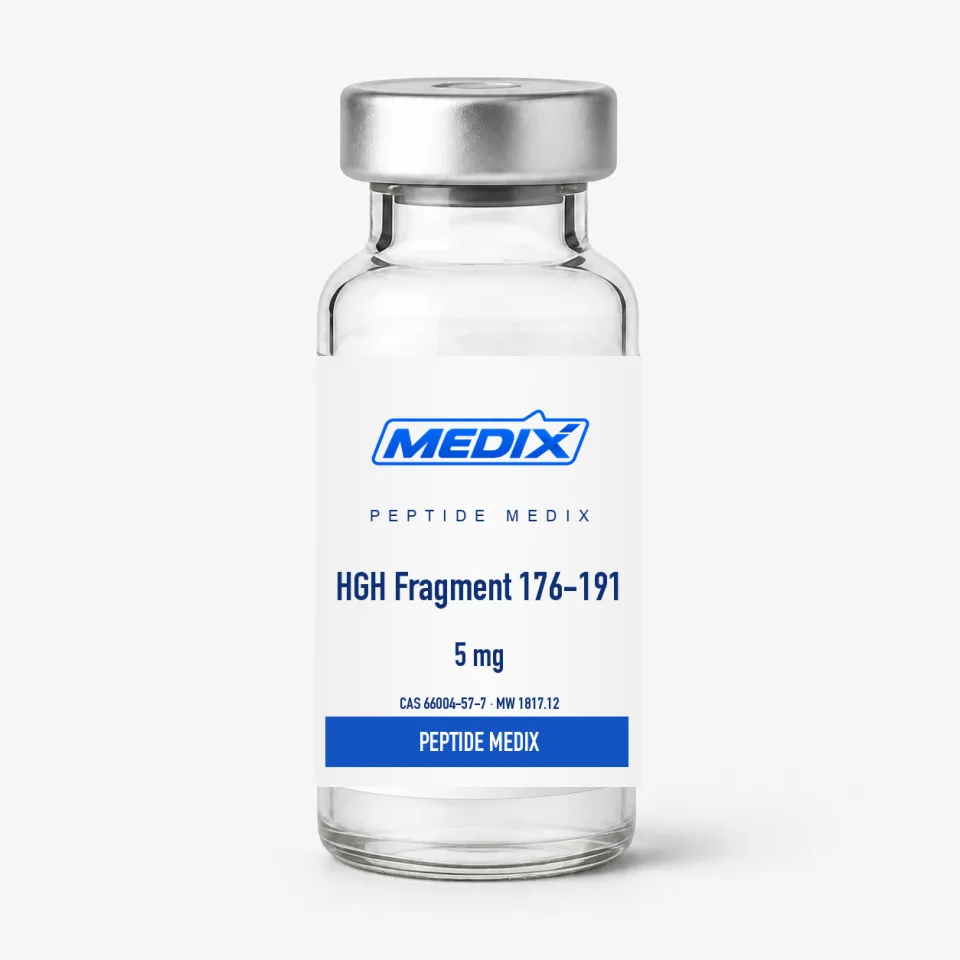
HGH Fragment 176-191

Peptide Medix

HGH Fragment 176-191

hgh fragment 176-191

2 options

$55.00 $65.00

View options and product details