Research Overview
Mass equivalence is not molar equivalence
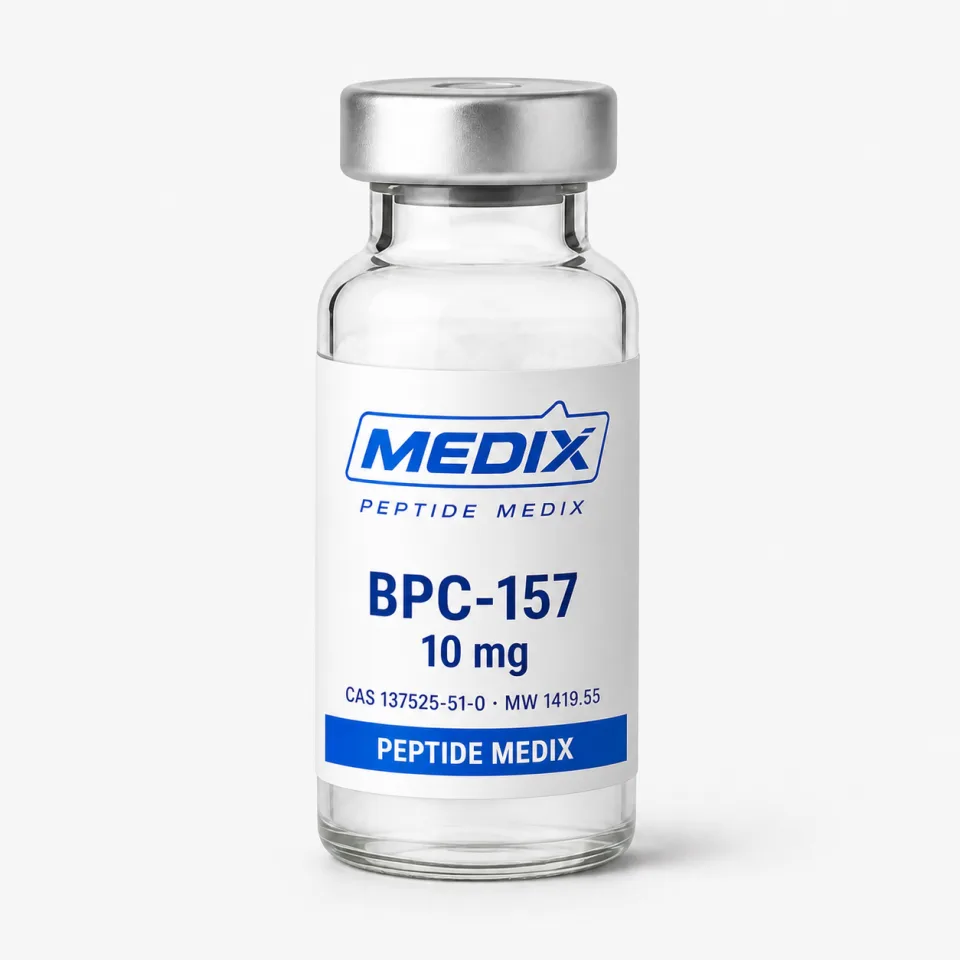
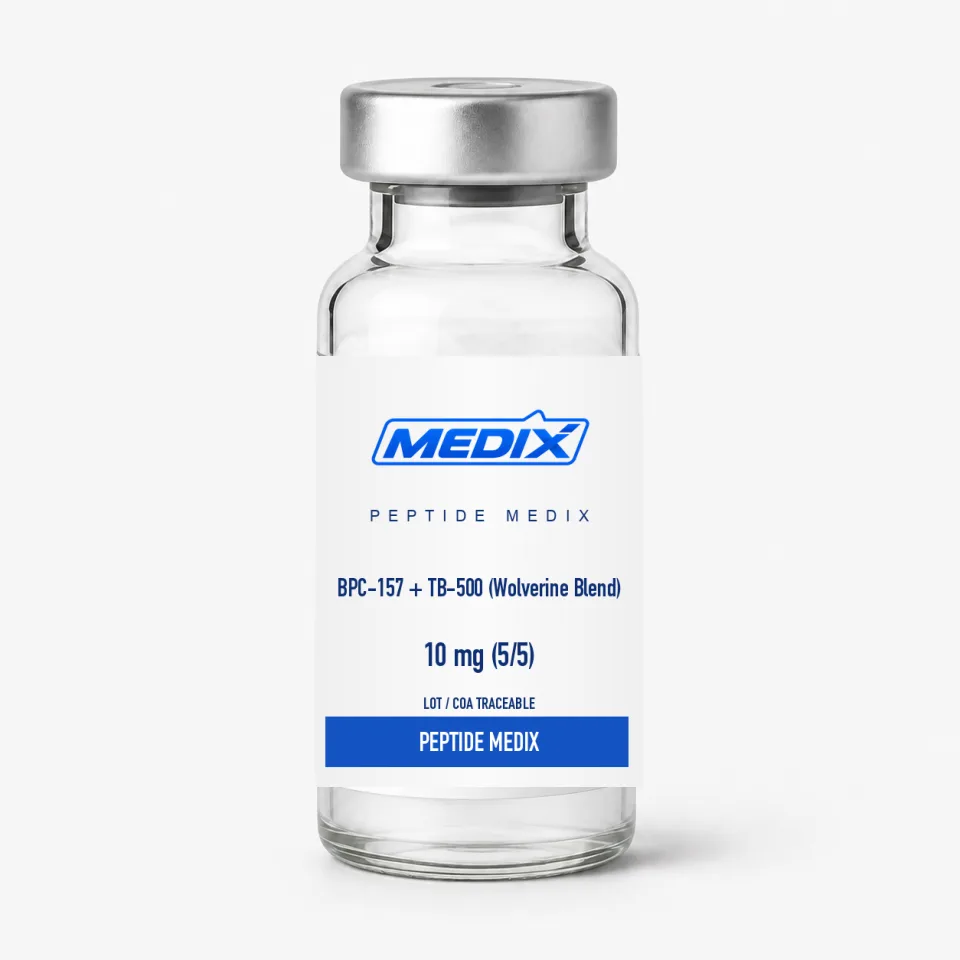
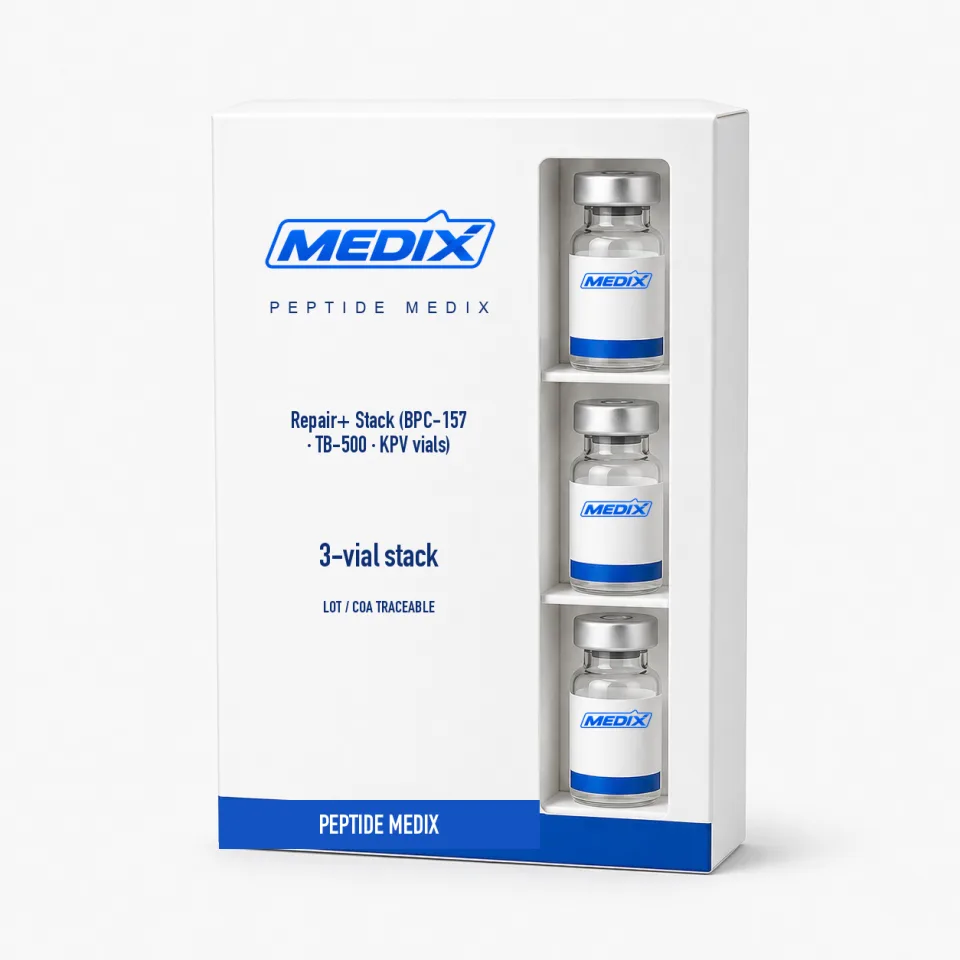
A 10/10/10 mg blend of these three peptides is not an equimolar preparation. KPV at 342 g/mol contributes roughly four times as many molecules per milligram as BPC-157 at 1,420 g/mol. For receptor or pathway work where molar concentration is the meaningful variable, that gap matters, and only separate vials allow it to be corrected.
BPC-157
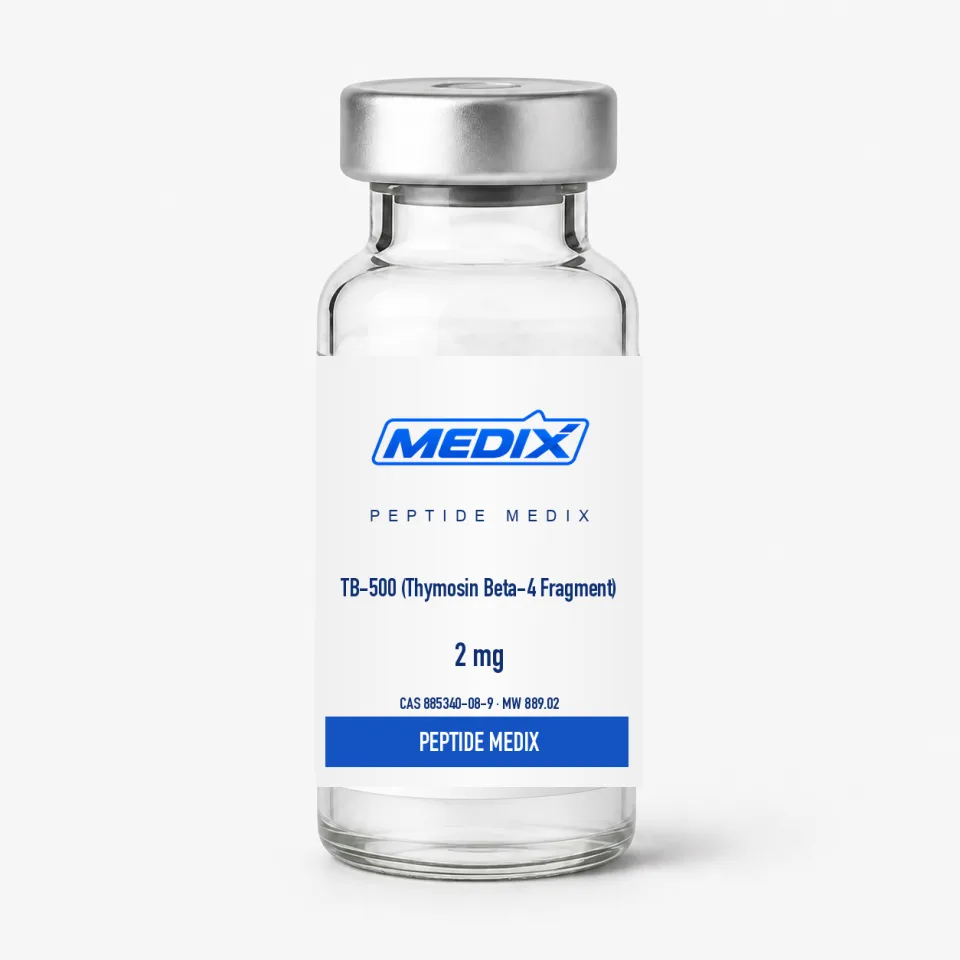
TB-500
TB-500 corresponds to the actin-binding region of thymosin beta-4, a peptide found broadly in mammalian tissue. In-vitro studies have examined actin sequestration and the migration of endothelial cells and keratinocytes, typically in scratch-assay or transwell formats, which is why it pairs so often with BPC-157 in repair-model designs.
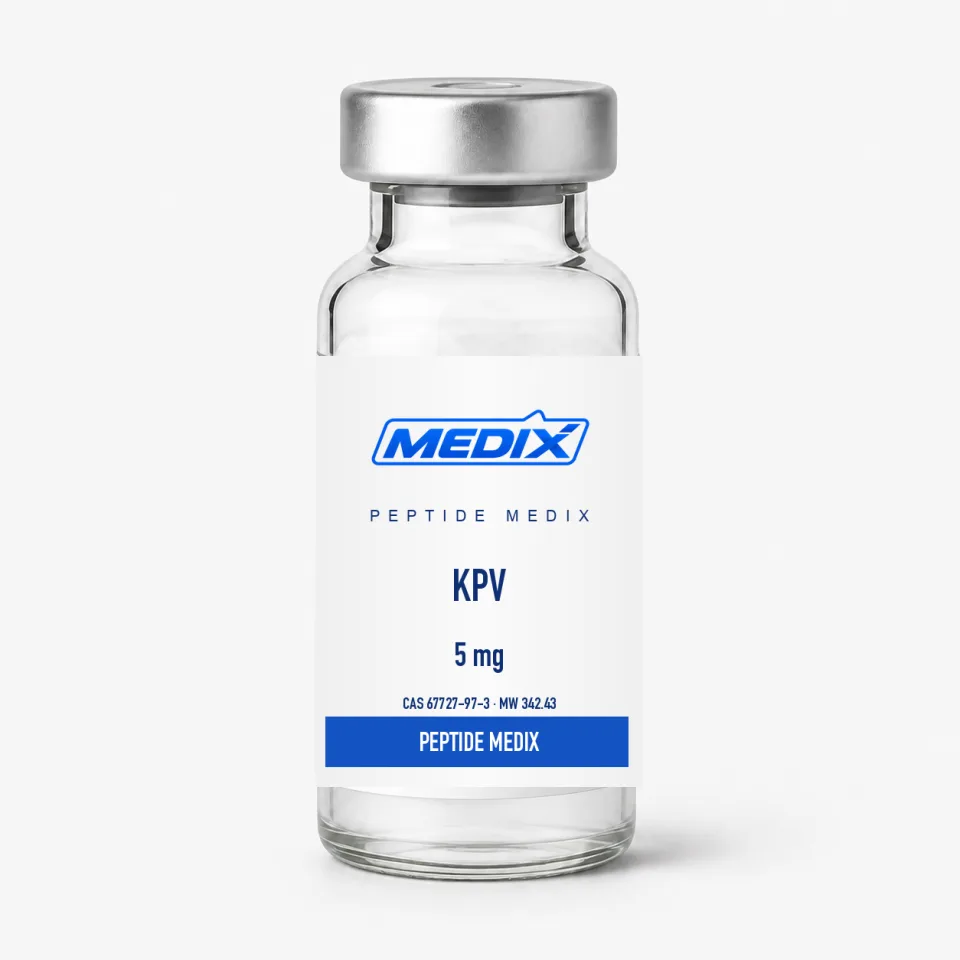
KPV and inflammatory signalling
KPV has been studied in cell and rodent models of intestinal inflammation. Published interest centres on NF-κB pathway activity and on transport of the tripeptide across epithelial cells, including work on peptide transporter involvement. It is the component that distinguishes this kit from a two-peptide repair pairing.