Research Overview
PT-141
PT-141, or bremelanotide, is a cyclic heptapeptide that emerged from work on Melanotan II — specifically from the observation that a metabolite lacking the C-terminal amide retained melanocortin activity with a different receptor profile. It engages MC3R and MC4R, receptors expressed in central nervous system regions rather than in the melanocytes targeted by MC1R agonists. Bremelanotide has been approved as a medicine in the United States for a specific indication; the material supplied here is research grade and is not that product.
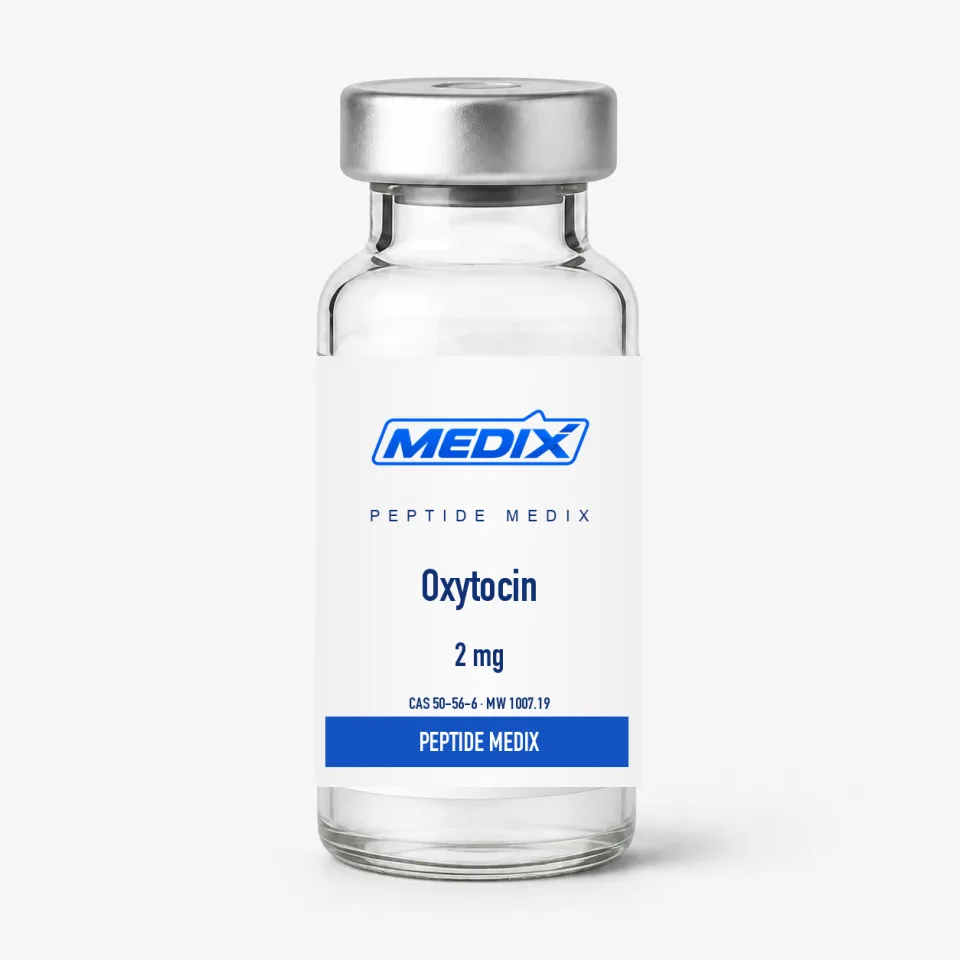
Oxytocin
Oxytocin is a nine-residue cyclic peptide with a disulfide bridge linking cysteines at positions 1 and 6 and a C-terminal amide. Synthesised in the paraventricular and supraoptic nuclei of the hypothalamus, it acts at the oxytocin receptor, a class A GPCR, and its research literature spans smooth muscle physiology, social and affiliative behaviour models, and receptor pharmacology. The disulfide bond is its structural weak point: reducing conditions open the ring and abolish activity.
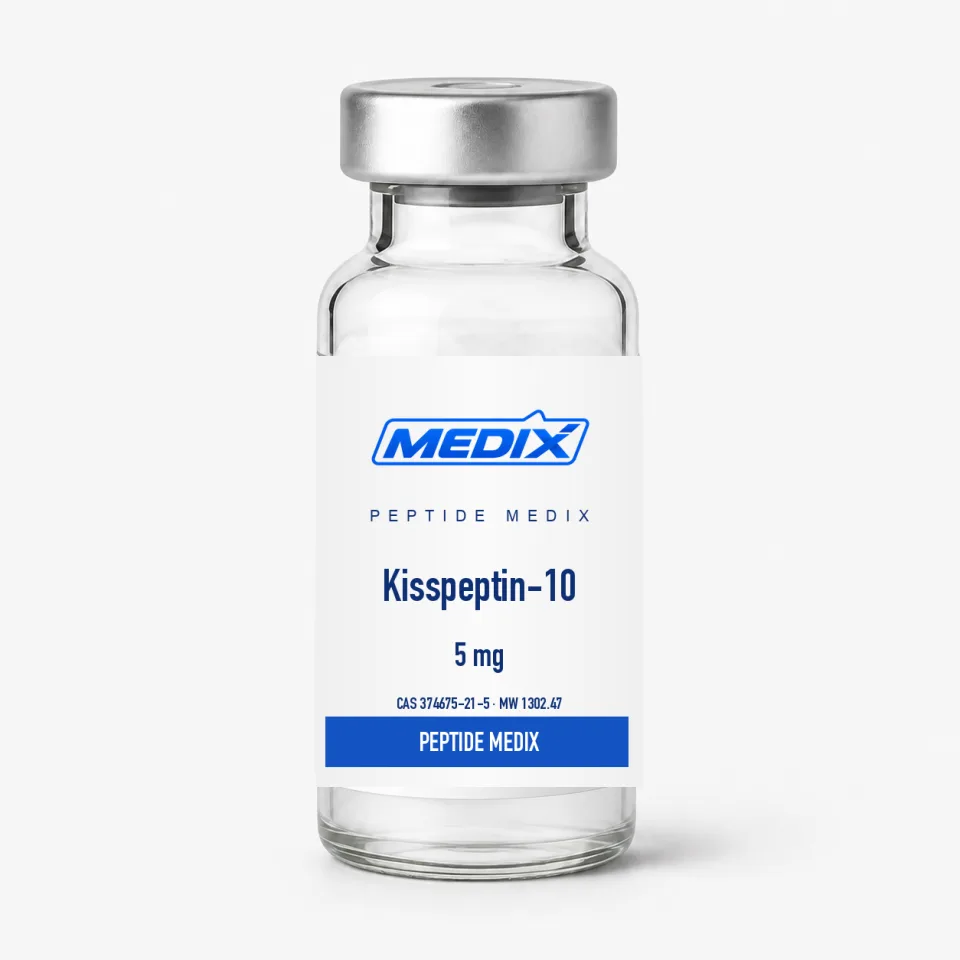
Kisspeptin-10
Kisspeptin-10 is the shortest fully active fragment of the KISS1 gene product, retaining the C-terminal decapeptide required for binding GPR54, also designated KISS1R. Its discovery reframed reproductive neuroendocrinology: kisspeptin neurons in the arcuate and anteroventral periventricular nuclei sit directly upstream of GnRH neurons, making the peptide a standard tool for probing that axis in research models.
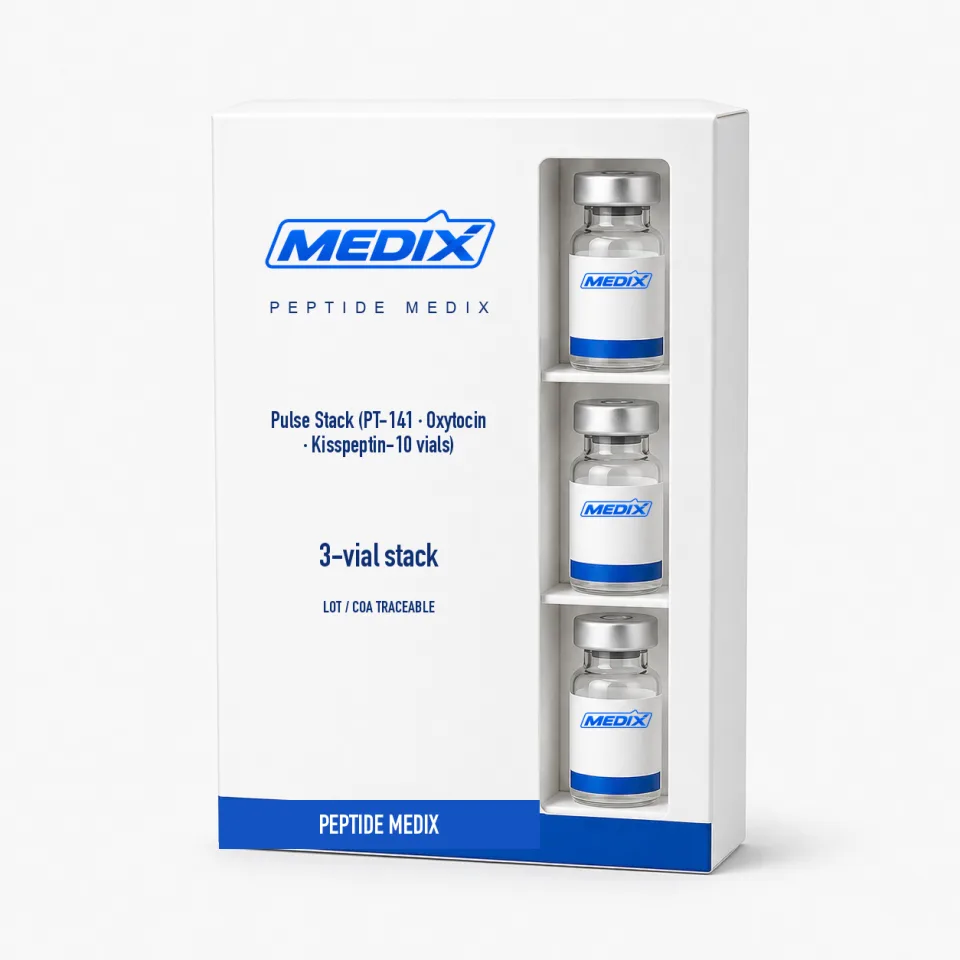
Handling considerations across three chemistries
Oxytocin's redox sensitivity, PT-141's cyclic structure and kisspeptin-10's C-terminal amide give three different stability profiles. Co-formulating them would subject all three to whatever conditions suited one, which is the practical case for a multi-vial kit.