Research Overview
What the intranasal route offers
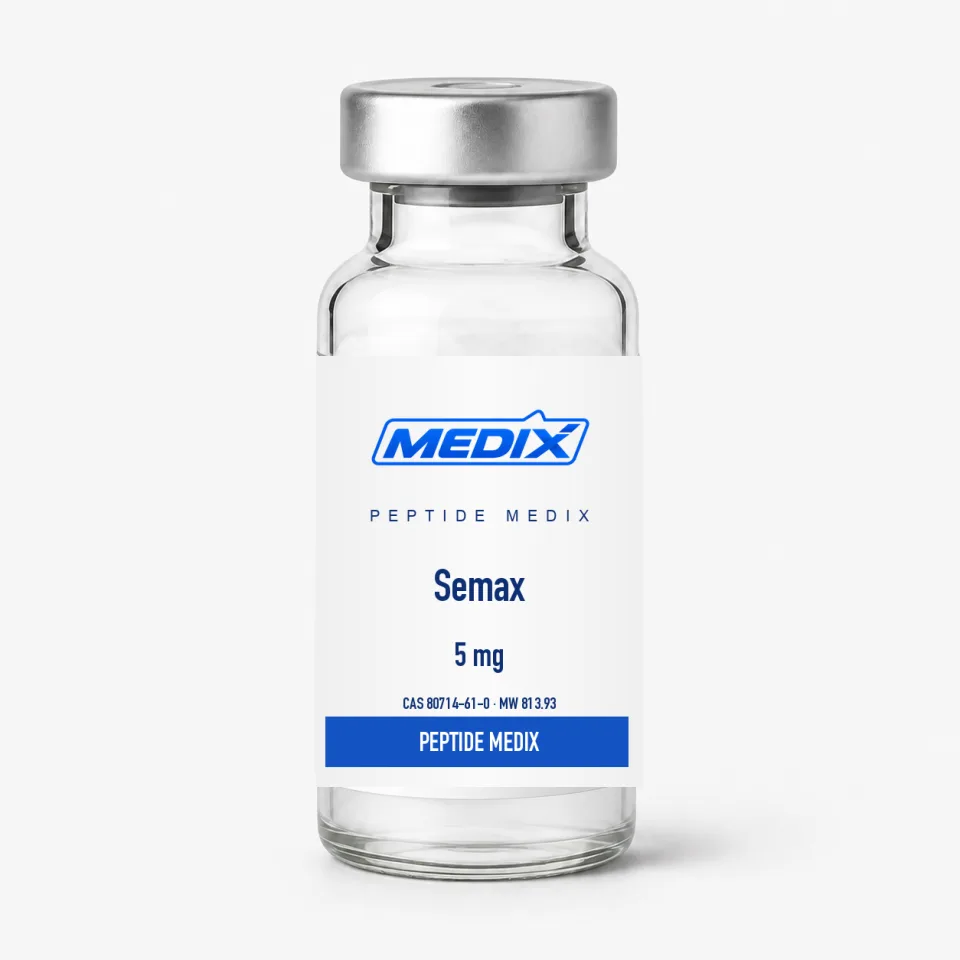
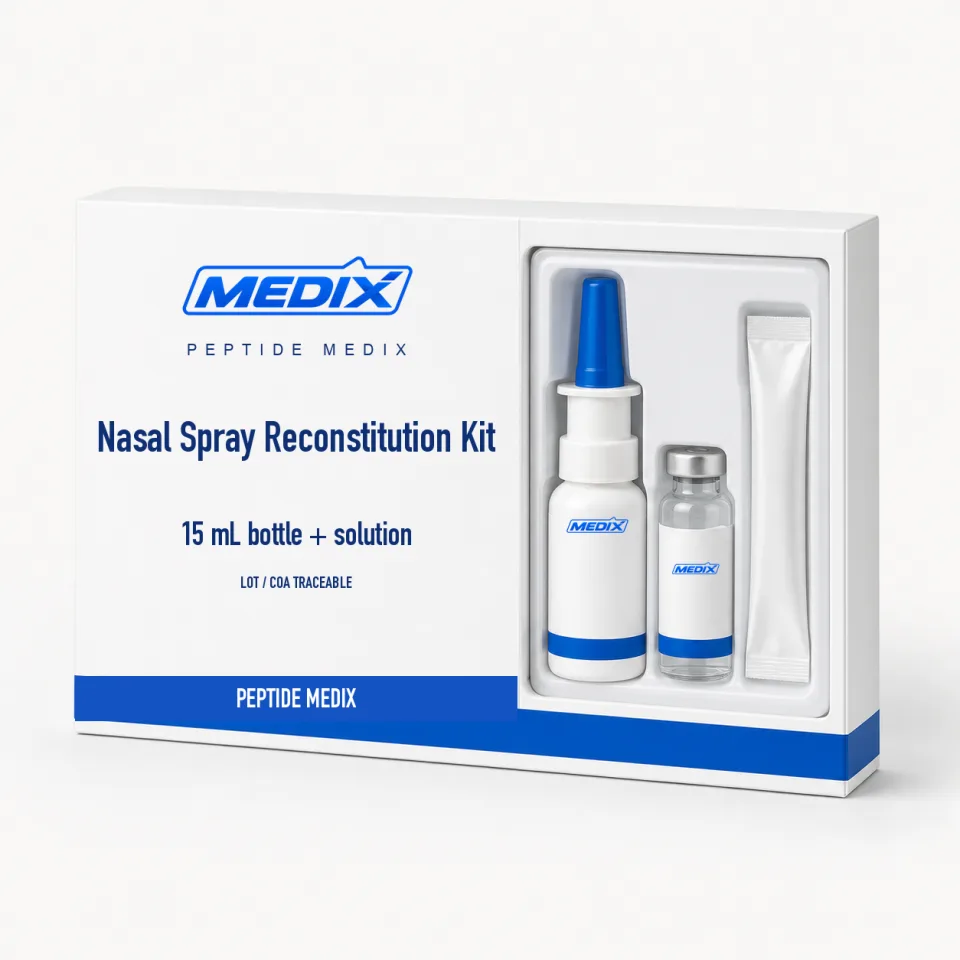
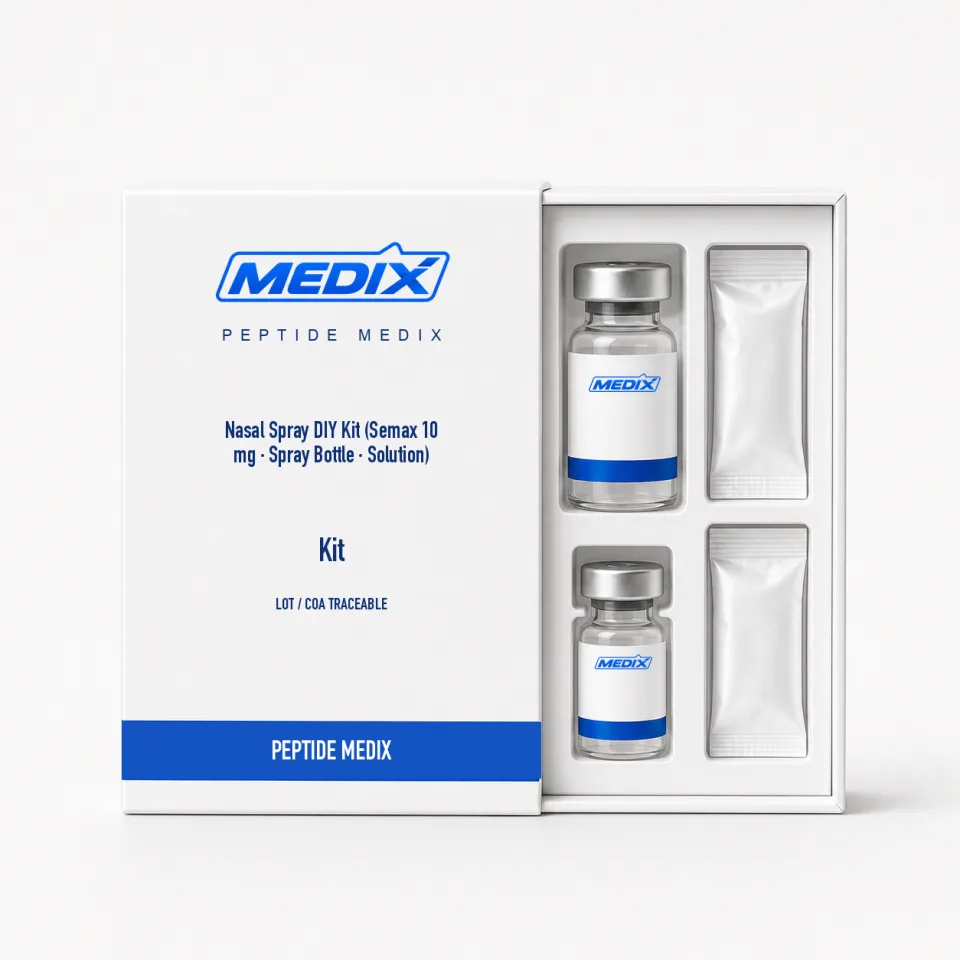
The nasal cavity presents a thin, highly vascularised epithelium with a large surface area and no first-pass hepatic metabolism, which is why it recurs in peptide delivery research. The olfactory region additionally sits in direct anatomical continuity with the central nervous system, and nose-to-brain transport along olfactory and trigeminal pathways is an active and genuinely contested area of investigation. Semax appears frequently in that literature because it was developed and studied predominantly as an intranasal preparation.
Variables a spray format introduces
- Delivered volume per actuation, which must be measured gravimetrically rather than taken from the pump specification
- Prepared concentration, confirmed by assay — vial overfill and residual powder both shift the real value away from nominal
- Plume geometry and droplet size distribution, which govern where in the cavity material deposits
- pH and osmolality of the finished solution, both of which affect mucosal tolerance endpoints and peptide stability
- Dead volume in the dip tube and pump, and priming behaviour on first use after standing
- Aqueous stability over the working period, including methionine oxidation, which is a known liability for this sequence
The Semax literature
Analytical notes
The N-terminal methionine oxidises to the sulfoxide in solution, detectable as a sixteen-dalton mass shift by LC-MS and as a shifted retention time in reverse-phase HPLC. Any stability study on a prepared spray should quantify that species rather than tracking total peptide alone, and should record the temperature and light history of the bottle throughout.