Research Overview
Why semaglutide anchors the kit
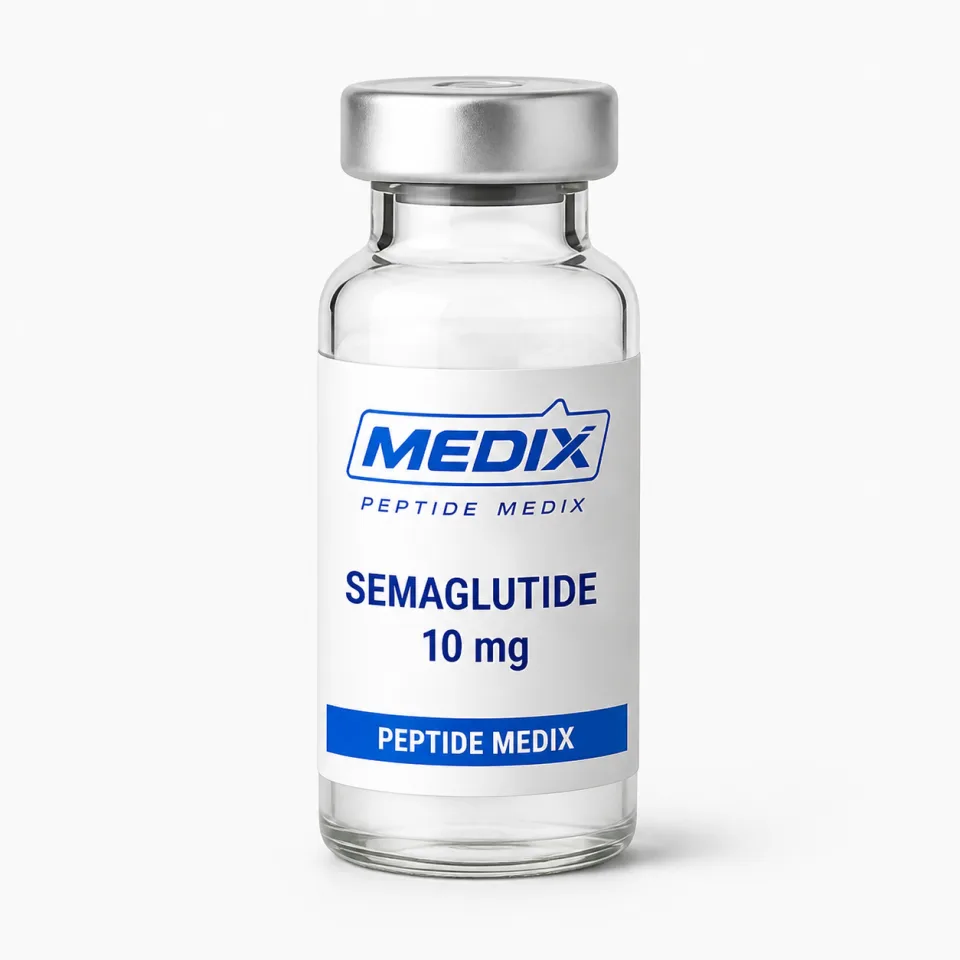
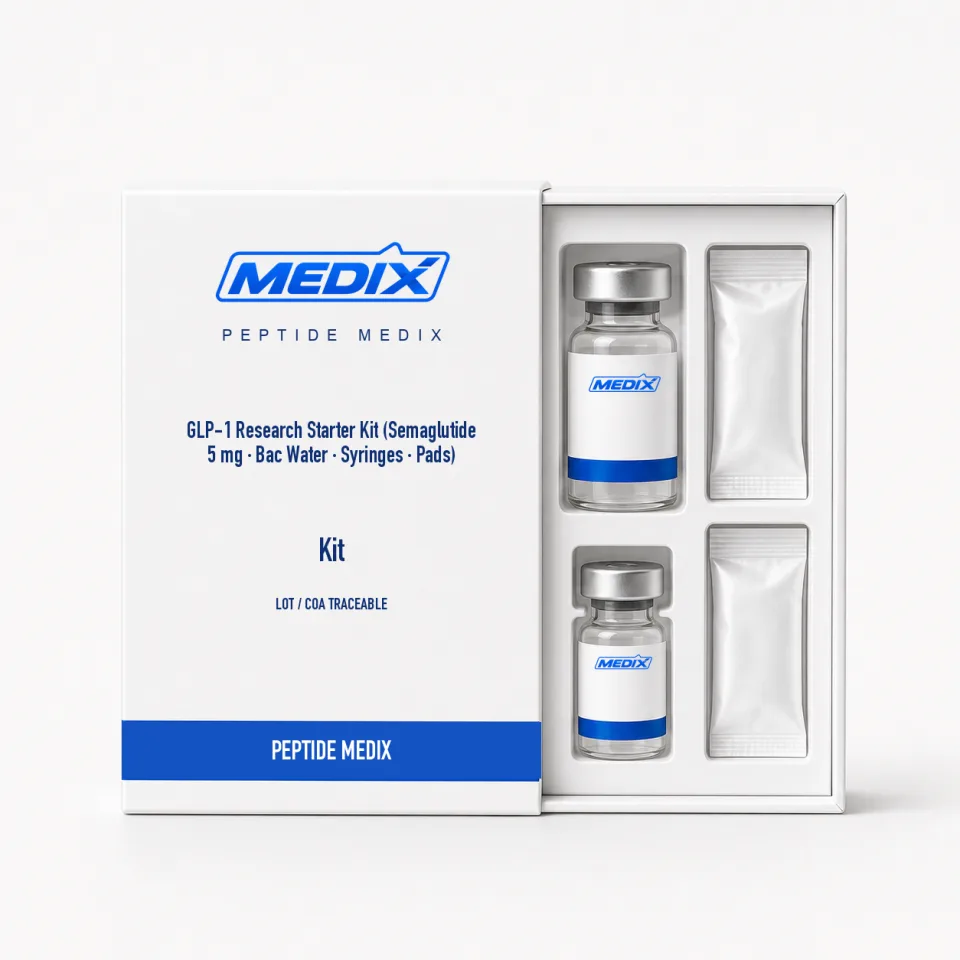
Semaglutide is the most widely referenced GLP-1 receptor agonist analog in current metabolic literature, which makes it the natural starting point for a laboratory entering incretin research. Its design addresses the central problem with native GLP-1: a plasma half-life of a couple of minutes, driven by dipeptidyl peptidase-4 cleavage and renal clearance. Substituting alpha-aminoisobutyric acid at position 2 blocks the DPP-4 site, and the C18 diacid chain attached through a gamma-Glu-(AEEA)2 linker drives reversible albumin binding, extending circulation time dramatically.
What the components are for
- Peptide vial — the experimental variable; 5 mg is a practical starting quantity for method development and pilot work
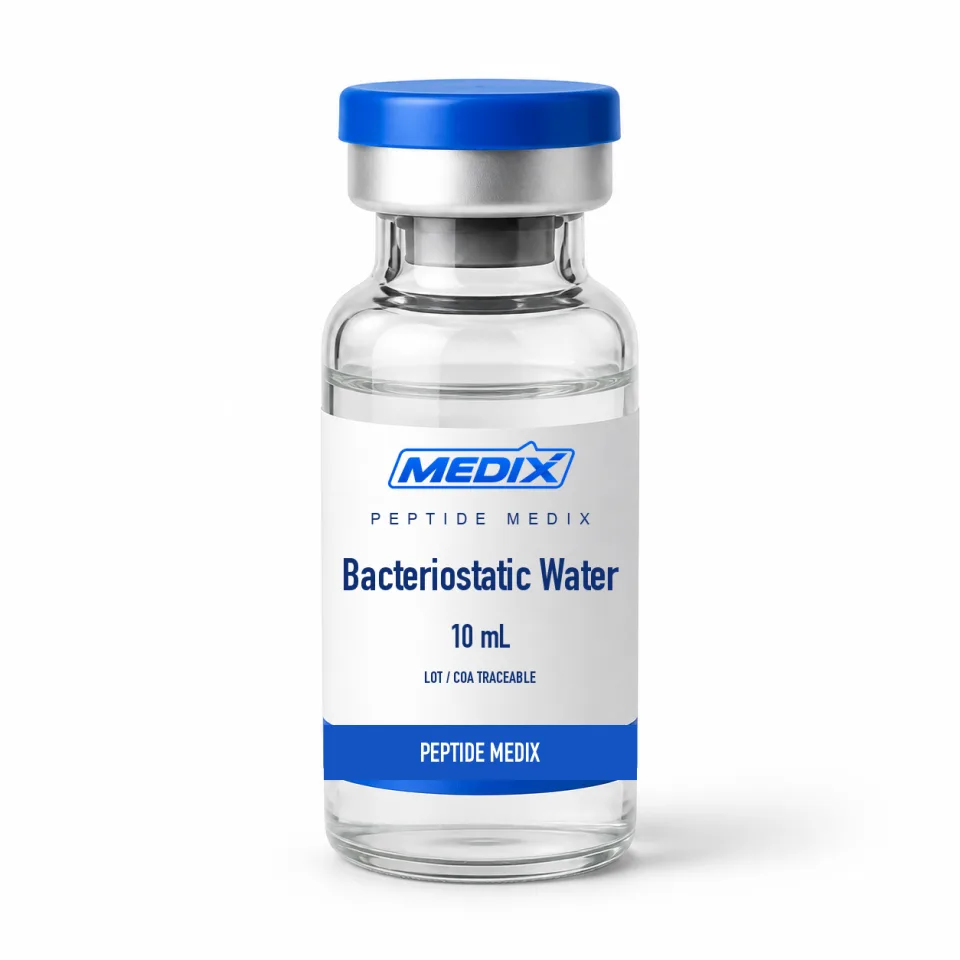
- Bacteriostatic water — the diluent, preserved so one vial serves many reconstitutions across a study
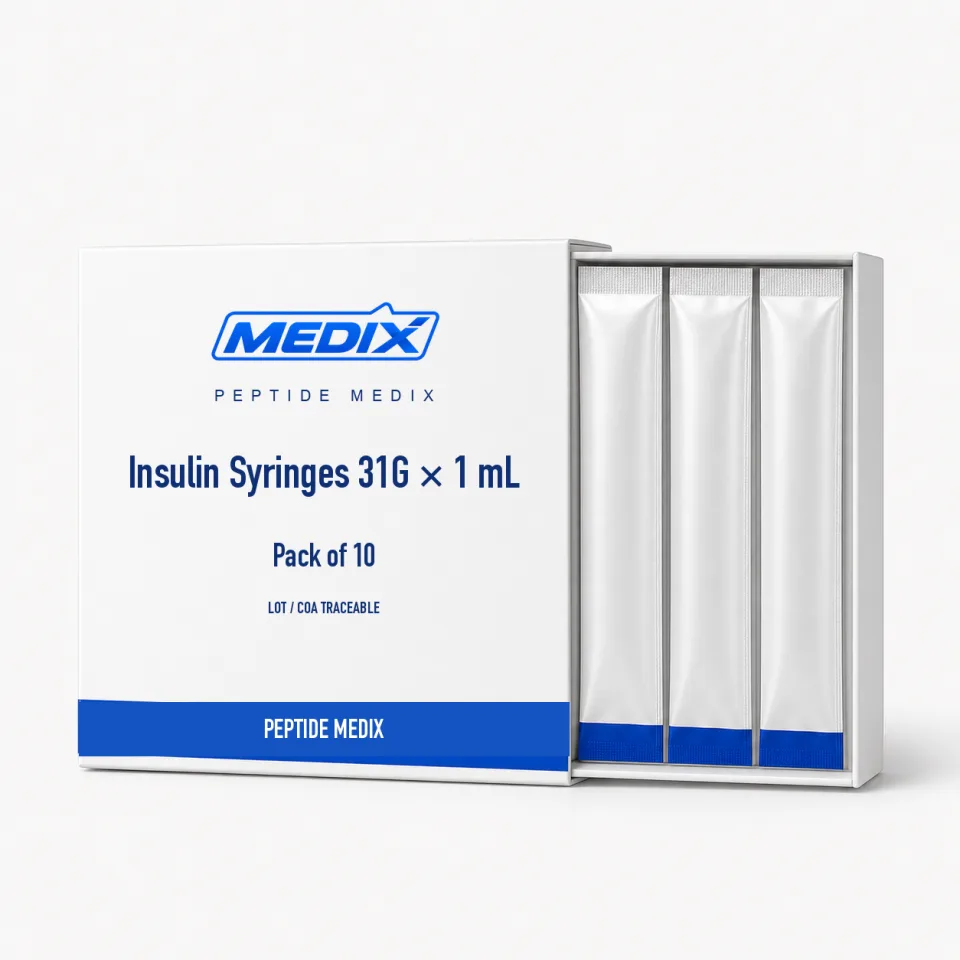
- 31G syringes — fine graduations for measuring the small volumes that set final peptide concentration
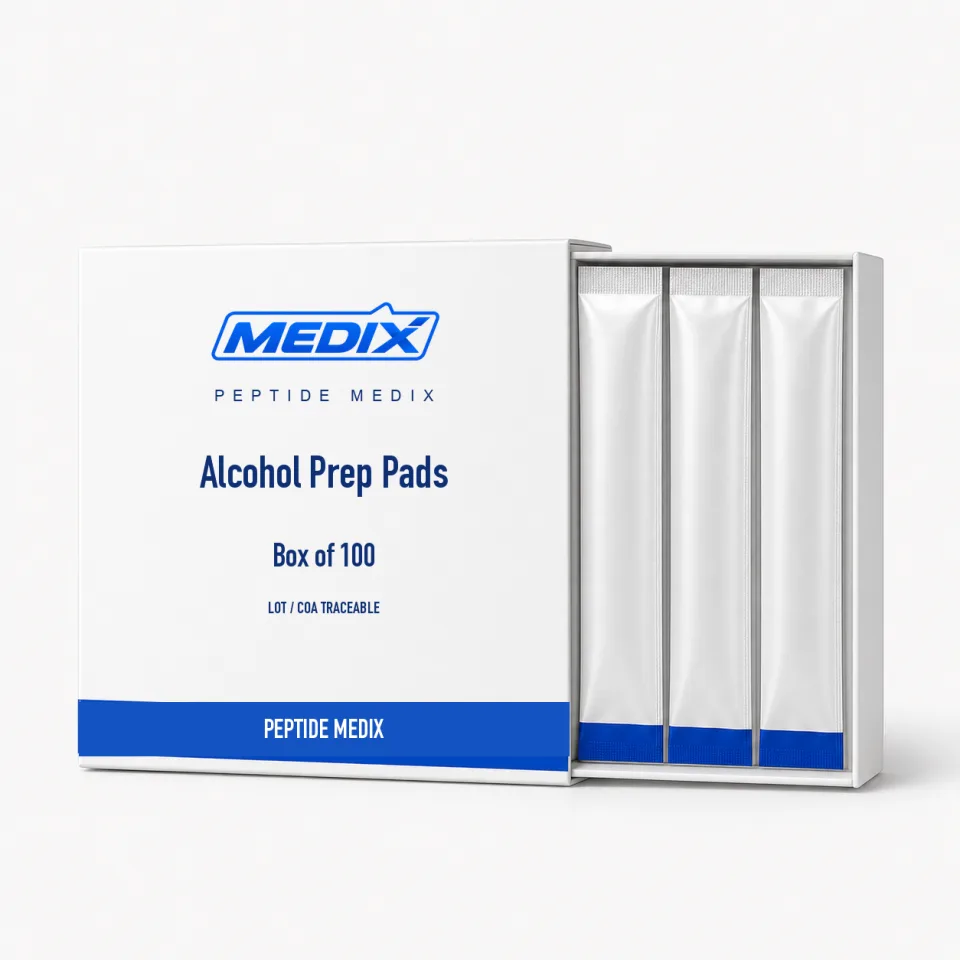
- Alcohol pads — stopper decontamination before each entry, the main defence against contaminating a multi-draw vial
Reconstitution as a source of error
Research context
GLP-1 receptor pharmacology is studied across receptor binding and cAMP signalling assays, islet and beta-cell models, gastric emptying physiology, and appetite and energy-balance work in rodents. Approved semaglutide products exist as medicines, but this kit contains research-grade material only and makes no claim to pharmaceutical equivalence.