Research Overview
The peptide in the kit
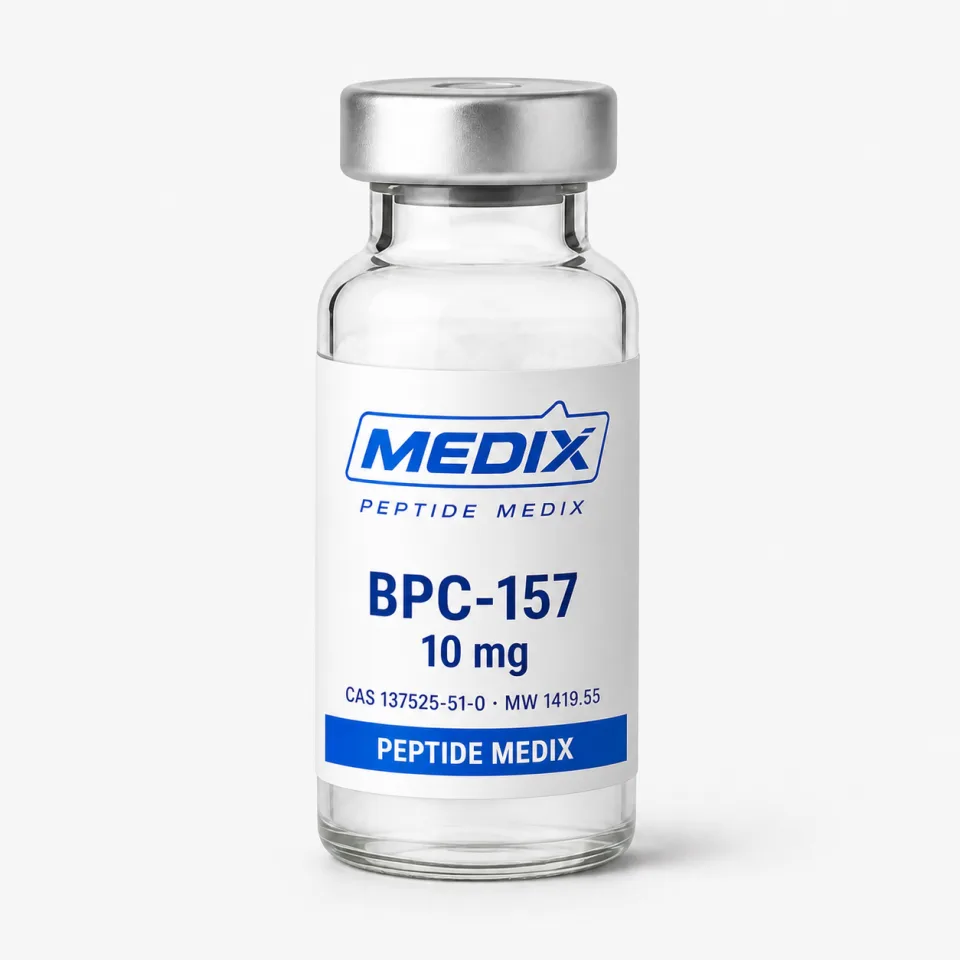
BPC-157 corresponds to a fifteen-residue partial sequence of body protection compound, a protein characterised in human gastric juice. It contains no cysteine and no classic protease-labile motif, and stability studies report that it survives acidic aqueous conditions longer than most peptides of comparable size — a property that explains why oral and intragastric routes appear alongside parenteral ones throughout the animal literature.
What the literature examines
Why the consumables matter to the data
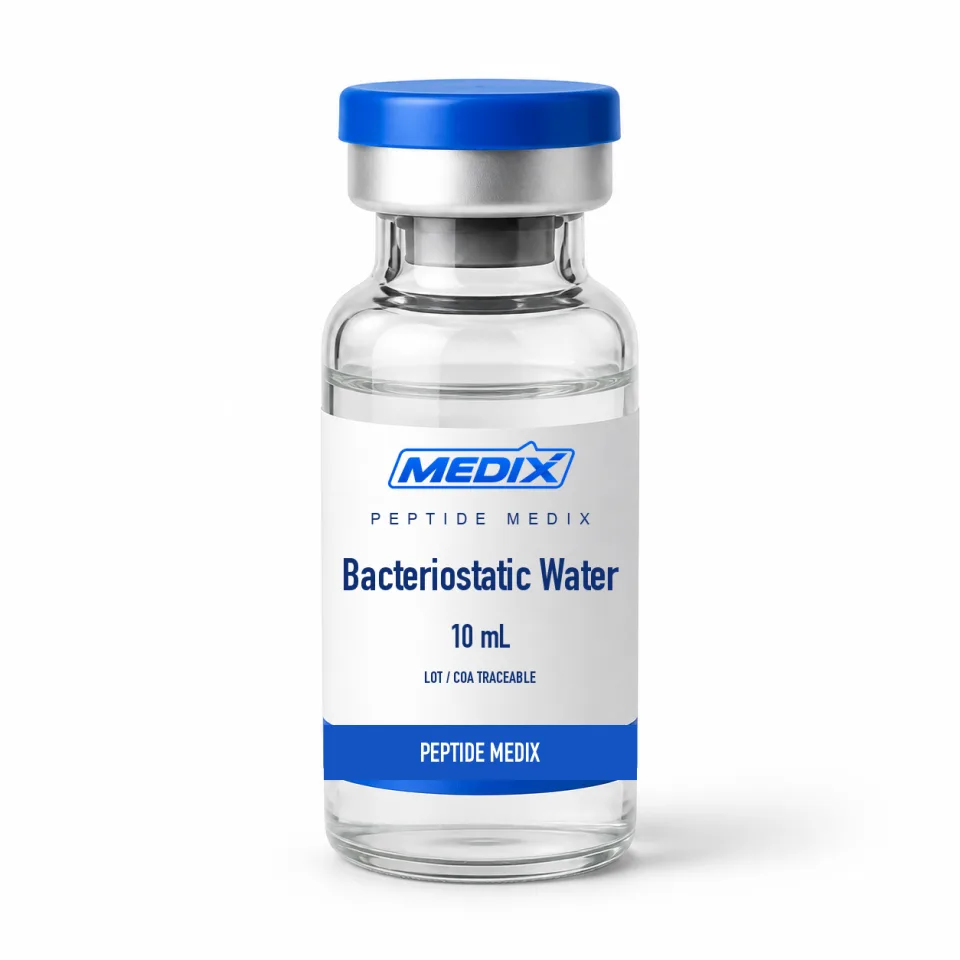
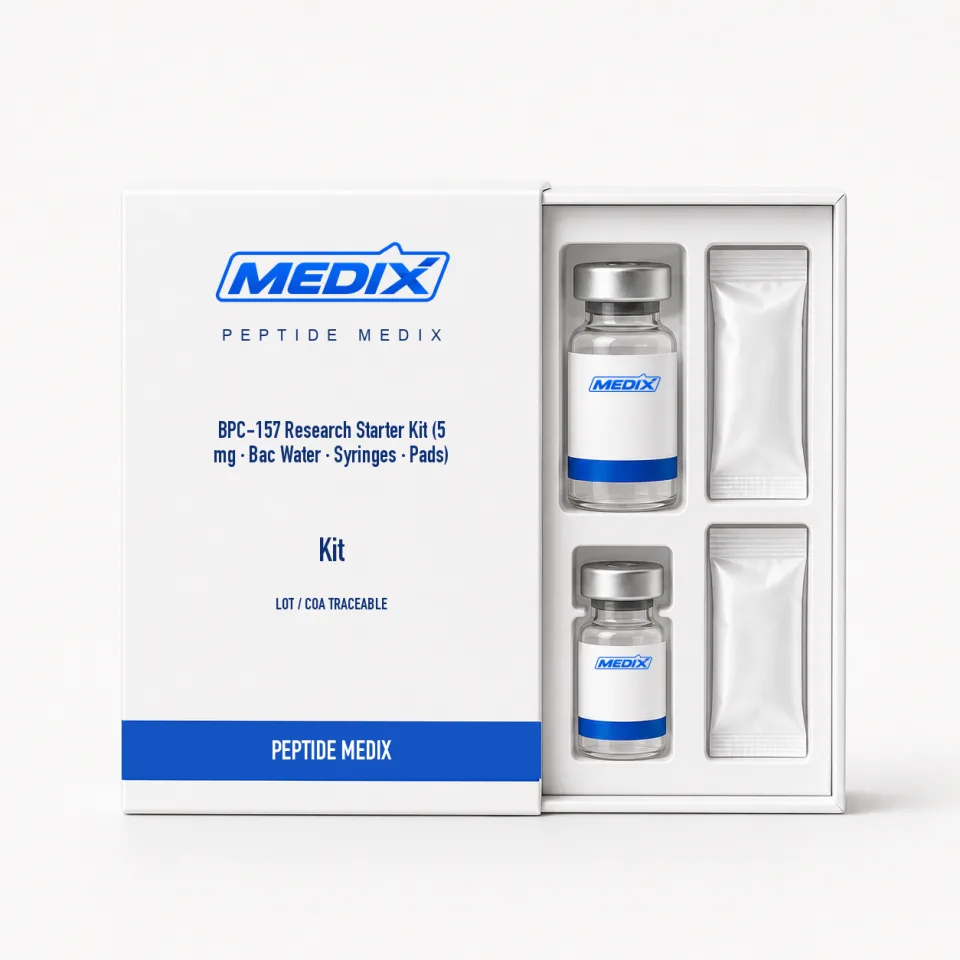
- Bacteriostatic water contains benzyl alcohol as a preservative, which is what makes repeated withdrawal from one vial defensible; unpreserved sterile water is a single-use diluent.
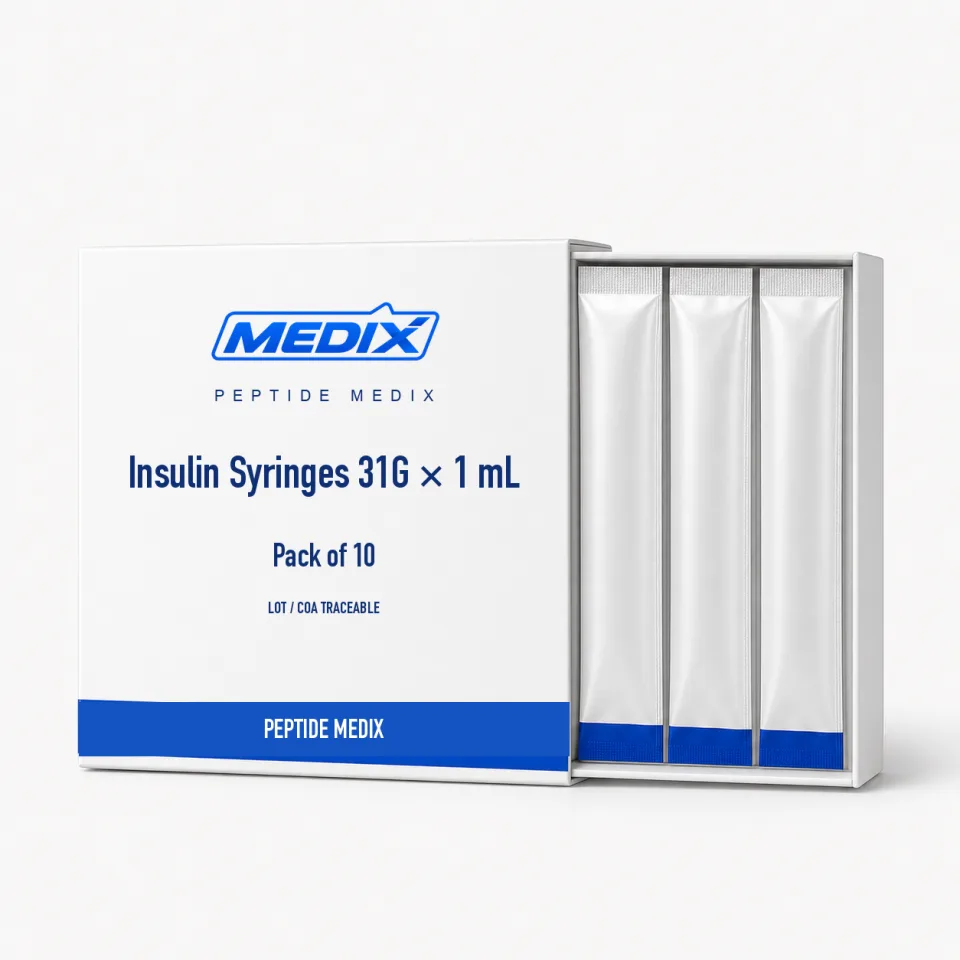
- Low dead-space 31G insulin syringes with 0.01 mL graduations reduce the volume error that dominates uncertainty when small aliquots are drawn from a 5 mg vial.
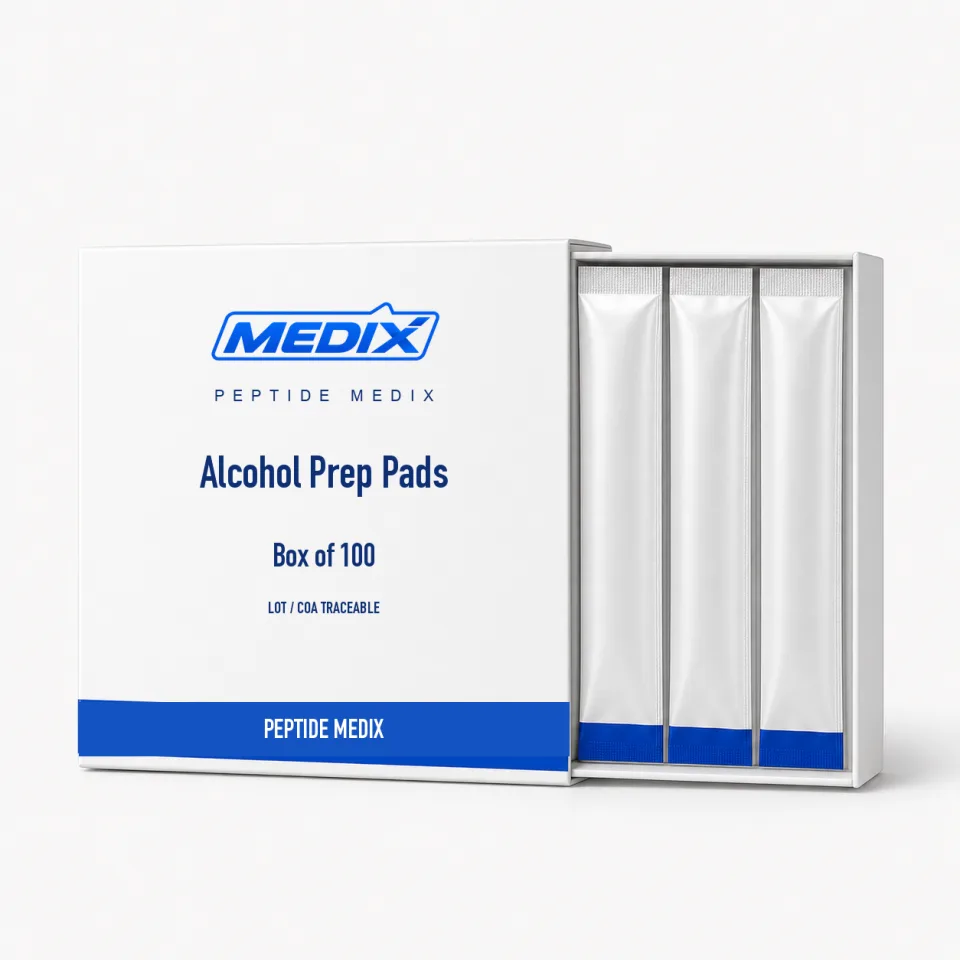
- Swabbing the stopper before every entry limits contamination that would otherwise shorten the usable life of a reconstituted preparation.
Scope of the kit
A 5 mg vial is a pilot quantity. It is well matched to method development, concentration-response range finding and short in vitro series; longer study programmes usually move to the 10, 15 or 20 mg vials, where the per-milligram cost is lower and fewer reconstitution events are needed.