Research Overview
Oxyntomodulin pharmacology
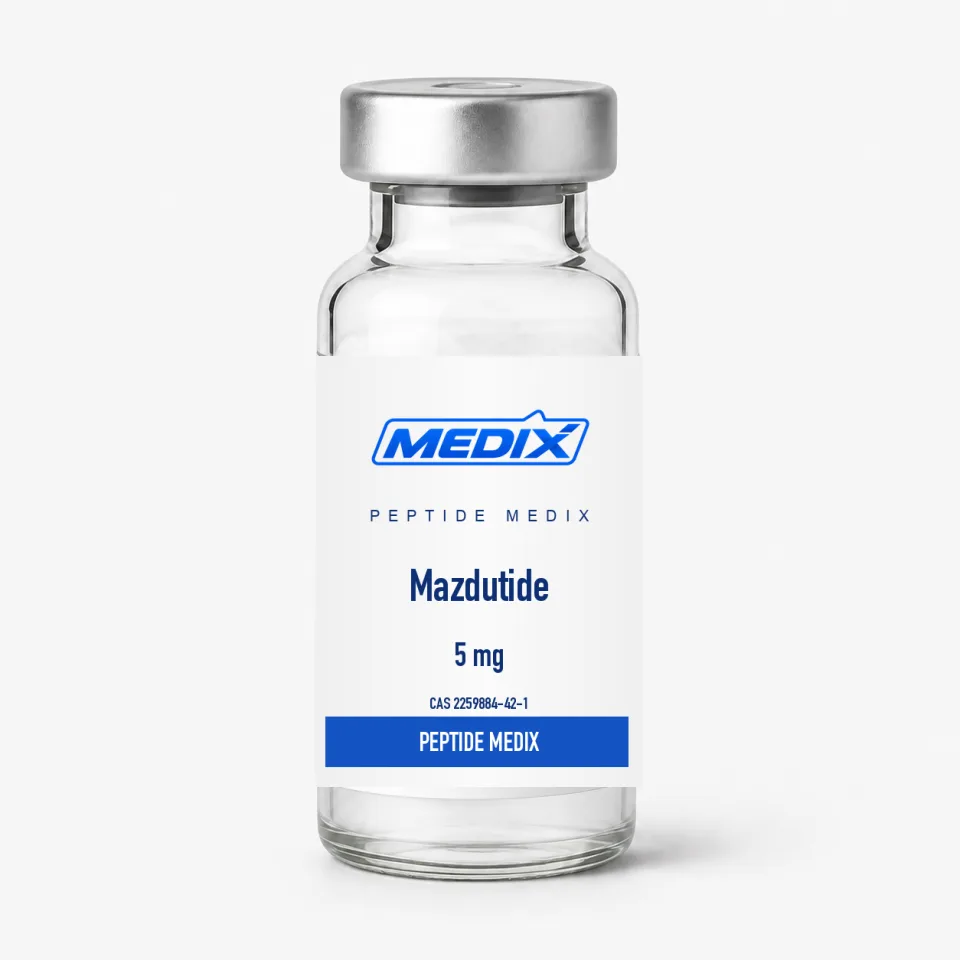
Oxyntomodulin is the reference point for this molecule. Cell studies compare mazdutide with native oxyntomodulin and with selective GLP-1 or glucagon analogs in cyclic-AMP assays, asking how closely the engineered analog reproduces the natural receptor ratio once protease resistance and albumin binding have been added.
Energy expenditure research
The glucagon arm of oxyntomodulin signaling has long been linked in animal work to increased energy expenditure. Rodent studies using indirect calorimetry track oxygen consumption, respiratory exchange ratio and thermogenic gene expression in brown and beige adipose tissue, with a GLP-1-only comparator included so the glucagon contribution can be attributed.
Hepatic and glycemic endpoints
- Hepatic triglyceride content and lipogenic gene expression in diet-induced models
- Glucose excursion, insulin and endogenous glucagon dynamics during exposure
- Liver enzyme and glycogen markers reflecting glucagon receptor engagement
Intake and body composition
Food-intake patterning, meal size and body-composition endpoints are followed in parallel, since a dual agonist can reach the same weight endpoint through reduced intake, raised expenditure, or both. Separating those routes is a recurring aim of the experimental designs in this literature.
Comparative profiling
Mazdutide is regularly run against survodutide, tirzepatide and retatrutide in matched conditions. Because receptor ratio rather than absolute potency defines this class, comparative panels with selective antagonists or receptor-deficient tissue are the standard way to characterize a new candidate against it. Repeat-exposure designs then ask whether that ratio drifts as receptors desensitize.
Analytical and formulation work
The lipid side chain that gives the analog its duration also makes it hydrophobic and prone to surface adsorption, so analytical laboratories use it when developing reversed-phase and LC-MS methods, plasma protein-binding assays and low-binding handling procedures for acylated proglucagon-family peptides.