Peptide Medix product catalog

Peptide Medix

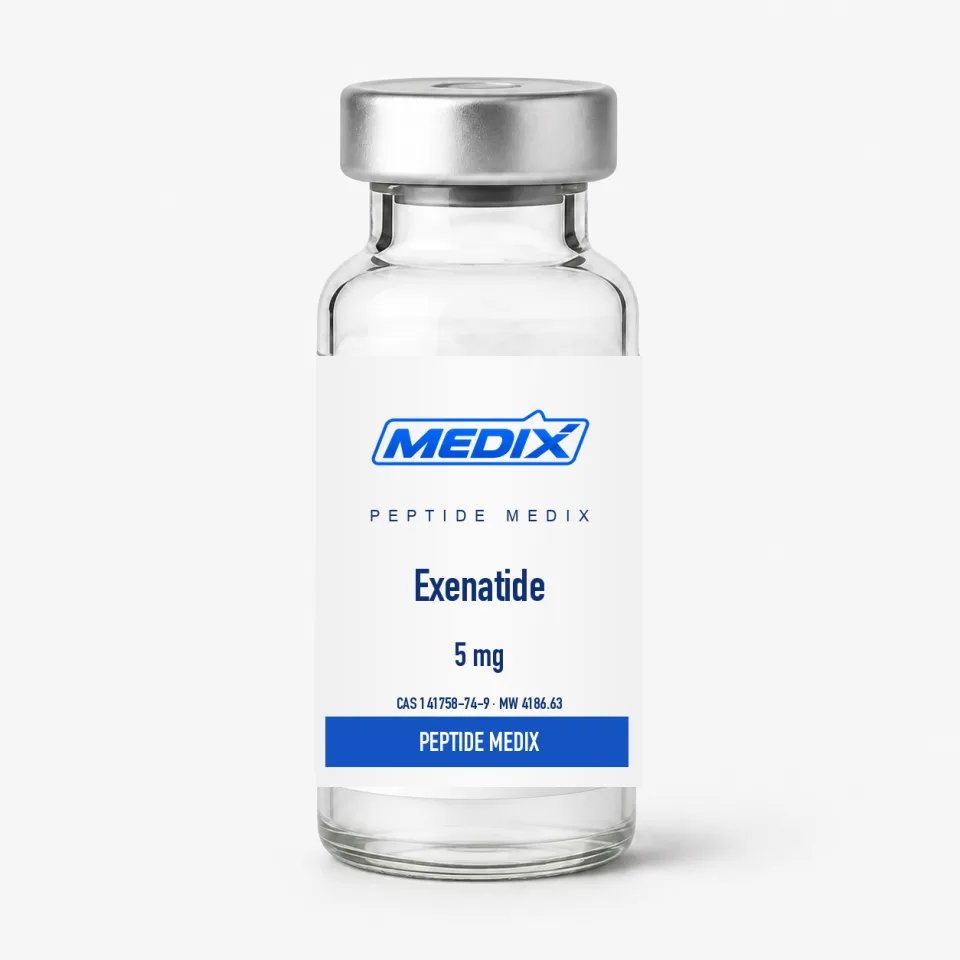
Exenatide

Synthetic exendin-4, a 39-residue GLP-1 receptor agonist peptide

Review catalog details Secure payments
Available to order · 2 of 2 options available
$72.00 $85.00 15% OFF

Choose an option

1
Categories: exenatide , exendin-4 , glp-1 peptides

Choose your delivery method

Standard Shipping is automatically selected at checkout. Customers can upgrade to a faster delivery option anytime.

Overview

Exenatide is the synthetic form of exendin-4, a 39-amino-acid peptide originally isolated from the salivary secretions of the Gila monster, Heloderma suspectum. It shares roughly half its sequence with mammalian GLP-1 but replaces the alanine at position two with glycine, which makes it markedly resistant to cleavage by dipeptidyl peptidase-4. That single substitution is why exendin-4 remains active far longer than native GLP-1 and why it became the reference agonist in incretin pharmacology.

In the laboratory, exenatide is the workhorse tool for probing the GLP-1 receptor. It is used to build agonist concentration-response curves, to validate receptor expression in transfected cell lines and primary islets, and as the positive control against which newer analogs such as semaglutide, liraglutide and the multi-agonists are benchmarked. The truncated fragment exendin(9-39) serves as the matching antagonist, and the two are frequently used as a pair.

Specifications

Brand Peptide Medix
Category GLP-1 & Incretin Peptides
Form Lyophilized white to off-white powder, sealed glass vial
Purity ≥99% by HPLC; lot-matched COA available
Available sizes 5 mg, 10 mg
CAS number 141758-74-9
Molecular formula C184H282N50O60S
Molecular weight 4186.63 g/mol
Amino acid sequence His-Gly-Glu-Gly-Thr-Phe-Thr-Ser-Asp-Leu-Ser-Lys-Gln-Met-Glu-Glu-Glu-Ala-Val-Arg-Leu-Phe-Ile-Glu-Trp-Leu-Lys-Asn-Gly-Gly-Pro-Ser-Ser-Gly-Ala-Pro-Pro-Pro-Ser-NH2
Chain length 39 amino acids, C-terminal amide
Peptide class GLP-1 receptor agonist (incretin mimetic), non-acylated
Molecular target GLP-1 receptor, a class B G-protein-coupled receptor
Research areas GLP-1 receptor pharmacology, islet beta-cell biology, gastric emptying, neuroprotection models
Storage (lyophilized) −20 °C, sealed and protected from light and moisture
Storage (reconstituted) 2–8 °C, protected from light; use within the study window
SKU EXENATIDE-5-MG

Highlights

  • Synthetic exendin-4, the reference GLP-1 receptor agonist in incretin research
  • 39-residue peptide with a C-terminal amide and glycine at position two
  • Glycine substitution confers resistance to dipeptidyl peptidase-4 cleavage
  • ≥99% purity by HPLC with mass-spec identity confirmation on every lot
  • Two research sizes: 5 mg and 10 mg lyophilized vials
  • Commonly paired with the antagonist fragment exendin(9-39) in receptor studies
  • Synthesized and shipped from a United States facility

What's Included

  • The vial option and size selected above
  • Final item and quantity confirmed in cart
  • Laboratory-research-use labeling

Research Overview

Receptor pharmacology

Exendin-4 is the standard reference agonist for the GLP-1 receptor. Cell assays use it to generate cyclic-AMP and beta-arrestin recruitment curves, to confirm functional receptor expression after transfection, and to normalise the potency of newer analogs. Its truncated derivative exendin(9-39) binds the same receptor without activating it, giving investigators a matched antagonist for attribution experiments.

Islet and metabolic models

Neuroscience and other tissues

  • GLP-1 receptor expression and signalling in hypothalamic and brainstem neurons
  • Reported neuroprotective effects in rodent models of neurodegeneration and ischaemia
  • Cardiovascular and renal tissue studies where GLP-1 receptors are present at lower density
  • Radiolabelled exendin-4 derivatives used as imaging probes for beta-cell mass

Analytical and structural work

Exenatide is a common subject in peptide stability and formulation research: it is studied for aggregation behaviour, adsorption to container surfaces, and degradation pathways under thermal and oxidative stress, with the methionine at position 14 a known oxidation-sensitive site. Structural studies of the exendin-4 helix bound to the GLP-1 receptor extracellular domain underpin much of the modern analog design literature.
Comparative benchmarking

Handling & Storage

Allow the sealed vial to equilibrate to room temperature before opening so the lyophilized cake does not take up moisture. Add bacteriostatic or sterile water slowly down the vial wall and swirl gently until dissolved rather than shaking, since agitation encourages aggregation and adsorption losses. Store reconstituted stock at 2–8 °C protected from light, or aliquot and hold below −20 °C for longer intervals to avoid repeated freeze-thaw. Low-binding tubes and tips reduce loss at low working concentrations. Record lot number and reconstitution date. Research use only.

Exenatide FAQ

How does exenatide differ from native GLP-1?
Exendin-4 shares about 53% sequence identity with GLP-1 but carries glycine rather than alanine at position two. That substitution blocks dipeptidyl peptidase-4 cleavage, so the peptide stays intact far longer in biological matrices, which is why it is favoured over native GLP-1 in time-course experiments.
Where does the exendin-4 sequence come from?
It was originally identified in the salivary secretion of the Gila monster, Heloderma suspectum. The material supplied here is fully synthetic, produced by solid-phase peptide synthesis and purified by preparative HPLC, with no animal-derived starting material involved.
What purity and documentation do you supply?
Each lot is tested by HPLC to at least 99% purity with identity confirmed by mass spectrometry, and a lot-matched certificate of analysis is available. The COA references the vial number shipped so purity data remains traceable to your specific material.
Is there a matching antagonist?
Yes. The truncated fragment exendin(9-39) binds the GLP-1 receptor without activating it and is the conventional antagonist control. Running agonist and antagonist together is the standard way to confirm that an observed effect is genuinely GLP-1 receptor mediated.
How is it stored and handled?
Keep the sealed lyophilized vial at −20 °C, protected from light and moisture. Reconstituted solutions are held at 2–8 °C for short windows or aliquoted and frozen for longer holds. Avoid shaking, and use low-binding plasticware at dilute concentrations.

This catalog listing is for laboratory research use only. It is not represented as a drug, food, supplement, cosmetic or diagnostic product, and it is not offered for human or veterinary use.

Customer Reviews

0 reviews
5 star
0%
4 star
0%
3 star
0%
2 star
0%
1 star
0%

Leave Your Review

Rating

No reviews yet — be the first!

Leave Your Review

Rating

Keep exploring

Related Products & Shopping Guides

Compare Exenatide with relevant categories, product topics, and practical shopping information.

Often researched together

Related research peptides, blends and lab supplies frequently ordered with Exenatide.

15% OFF
Liraglutide

Peptide Medix

Liraglutide

liraglutide

2 options

$55.00 $65.00

View options and product details

15% OFF
Semaglutide

Peptide Medix

Semaglutide

semaglutide

8 options

$38.00 $45.00

View options and product details

15% OFF
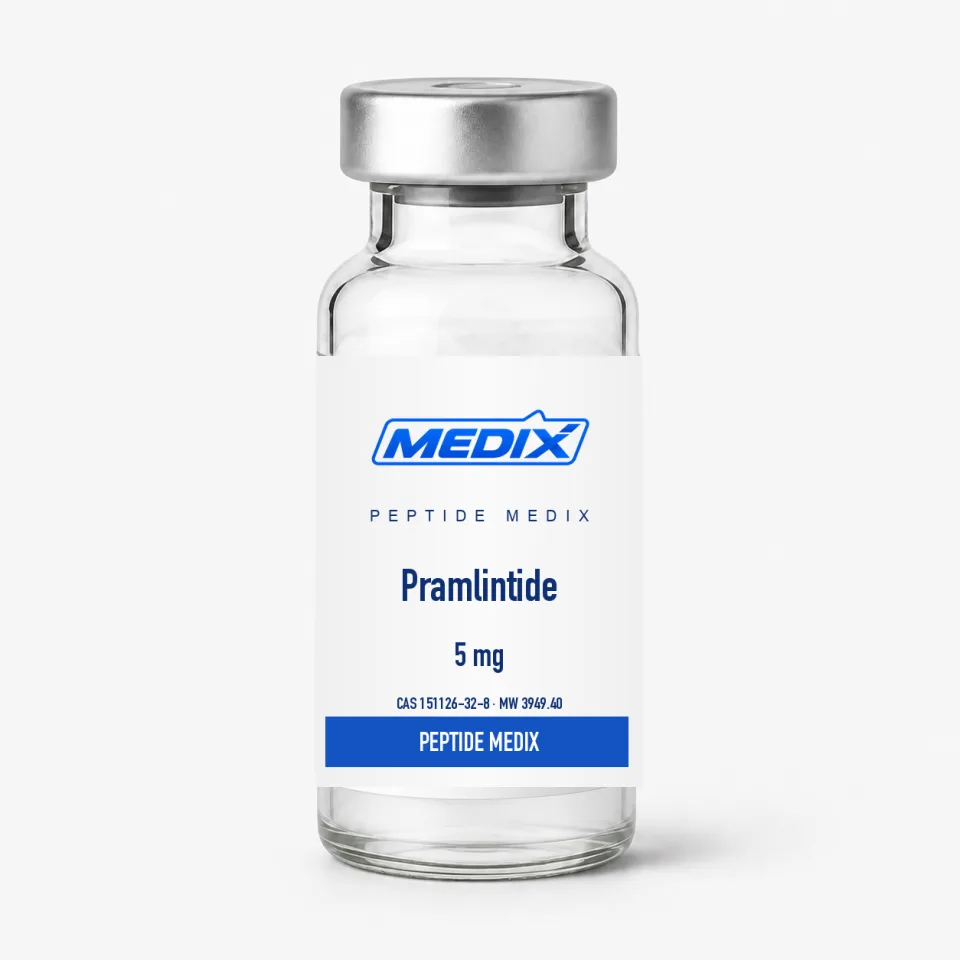
Pramlintide

Peptide Medix

Pramlintide

pramlintide

2 options

$97.00 $115.00

View options and product details

15% OFF
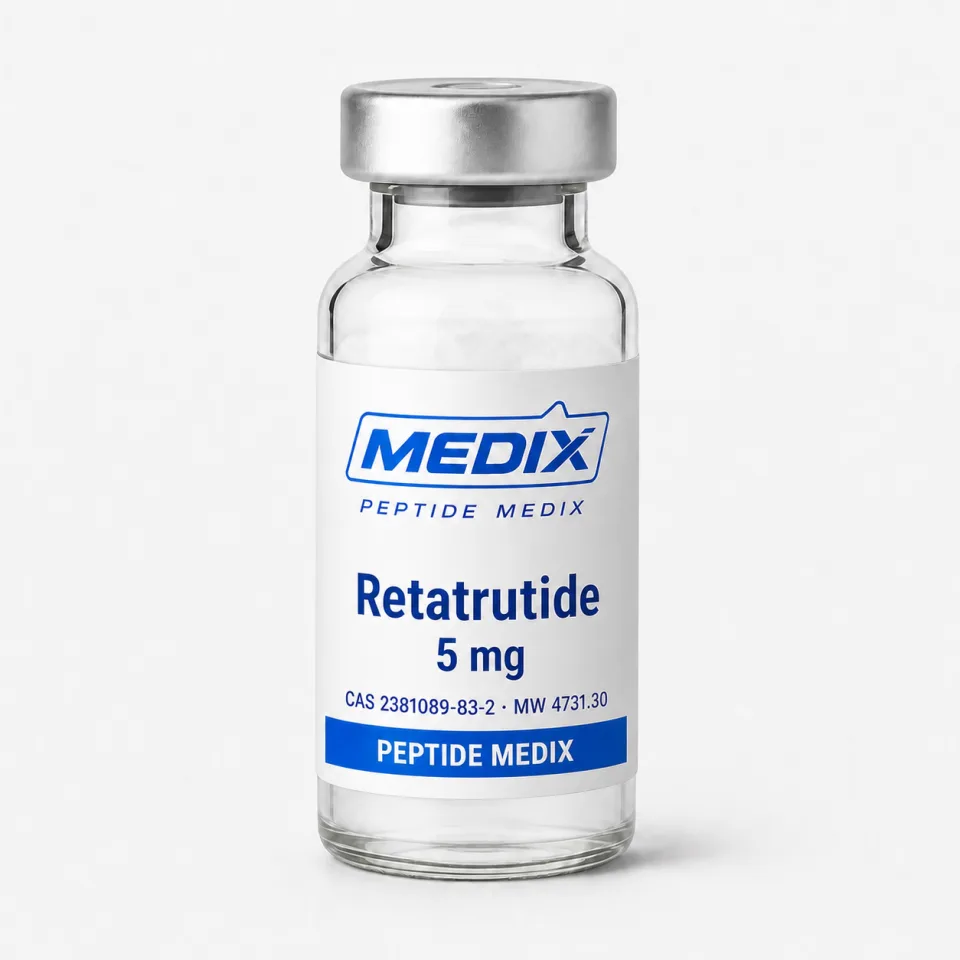
Retatrutide

Peptide Medix

Retatrutide

retatrutide

8 options

$63.00 $75.00

View options and product details

15% OFF
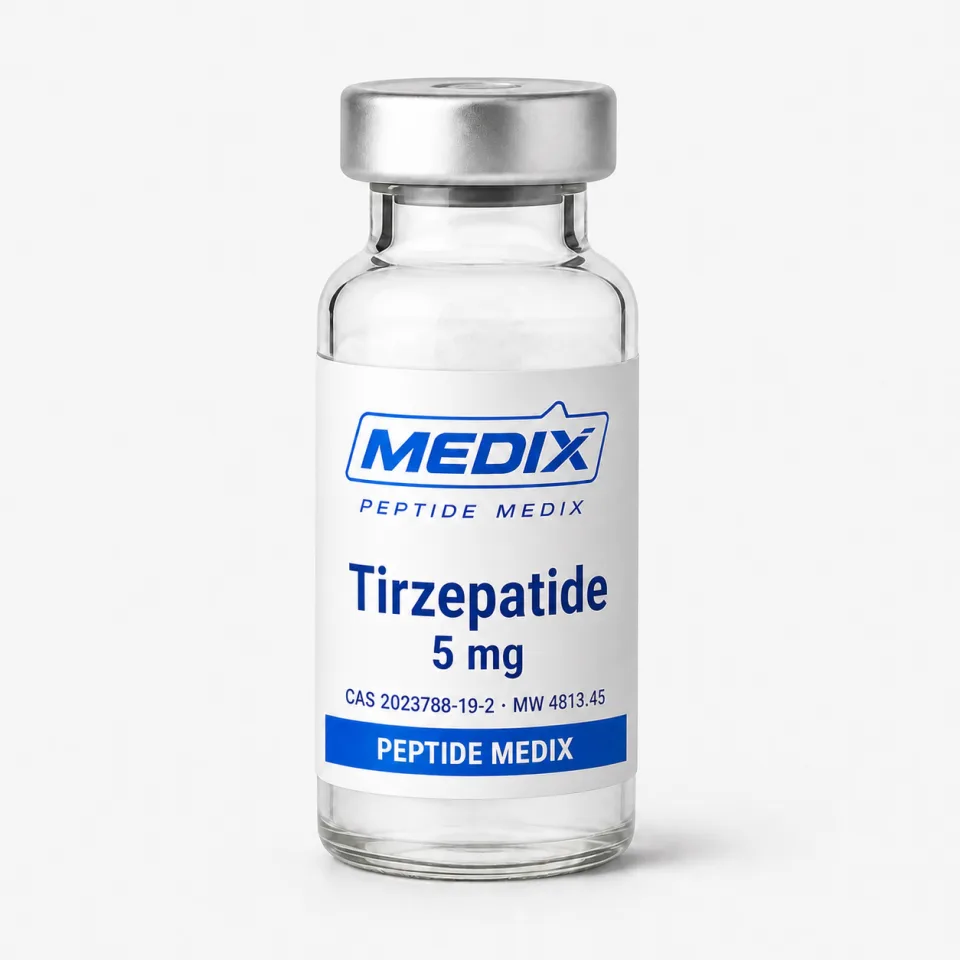
Tirzepatide

Peptide Medix

Tirzepatide

tirzepatide

8 options

$63.00 $75.00

View options and product details

15% OFF
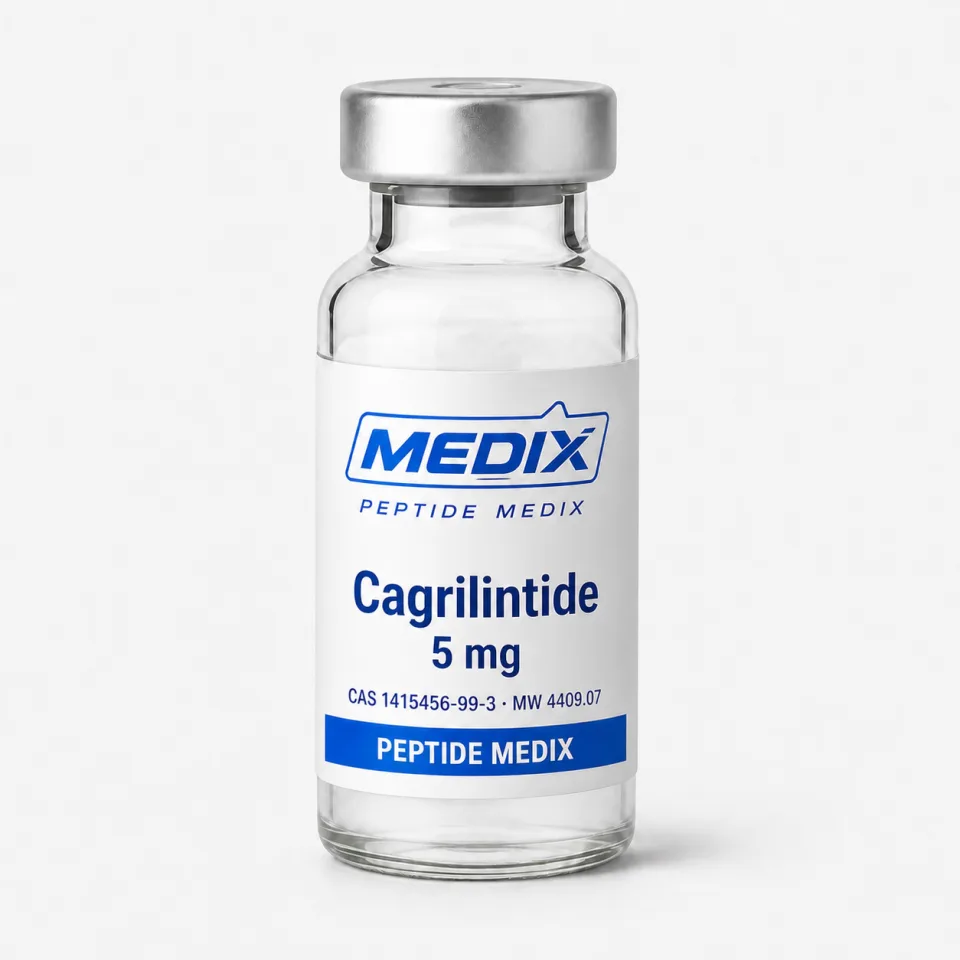
Cagrilintide

Peptide Medix

Cagrilintide

cagrilintide

2 options

$97.00 $115.00

View options and product details