Research Overview
Molecule and manufacture
Mechanism of action
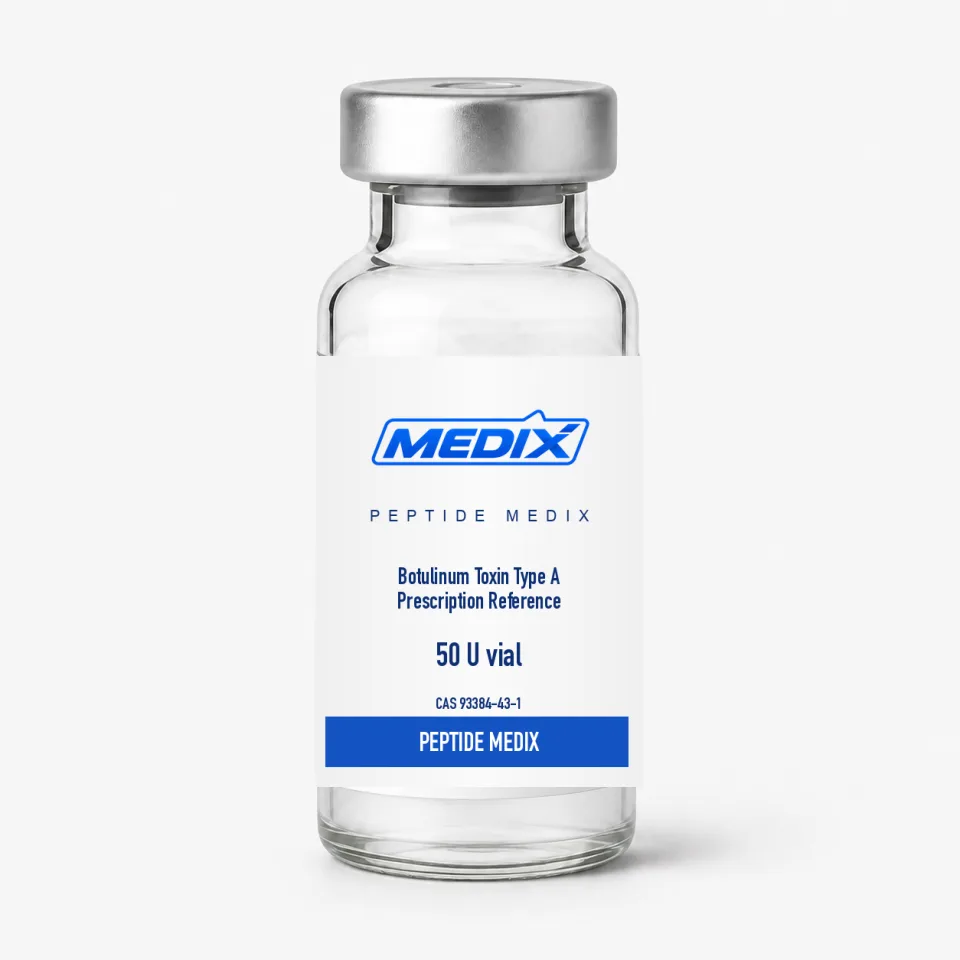
Action is a four-step sequence. The heavy chain C-terminal domain binds ganglioside and protein receptors — for type A, SV2 — on cholinergic nerve terminals. The toxin is internalised by endocytosis; acidification of the vesicle drives the heavy chain N-terminal domain to form a channel through which the light chain translocates into the cytosol. There the light chain, a zinc metalloprotease, cleaves SNAP-25, a SNARE protein required for vesicle fusion. Without intact SNAP-25 the terminal cannot release acetylcholine, and transmission at the neuromuscular junction or at autonomic cholinergic synapses is interrupted until the terminal regenerates.
Approved indications as a public regulatory fact
- Cervical dystonia, blepharospasm and strabismus
- Upper and lower limb spasticity in adults and paediatric patients
- Prophylaxis of headaches in adults with chronic migraine
- Severe primary axillary hyperhidrosis inadequately managed by topical agents
- Overactive bladder and detrusor overactivity associated with a neurologic condition
- Temporary improvement in the appearance of glabellar, lateral canthal and forehead lines