Research Overview
Semaglutide and the incretin axis
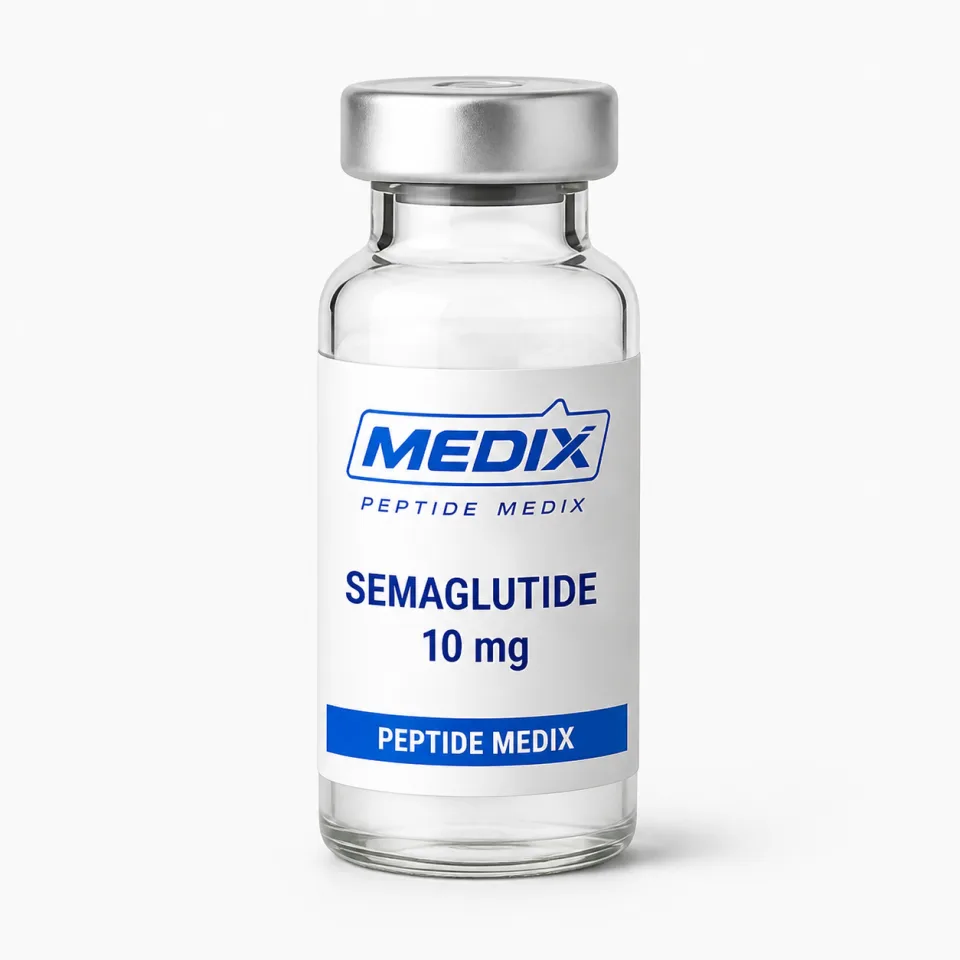
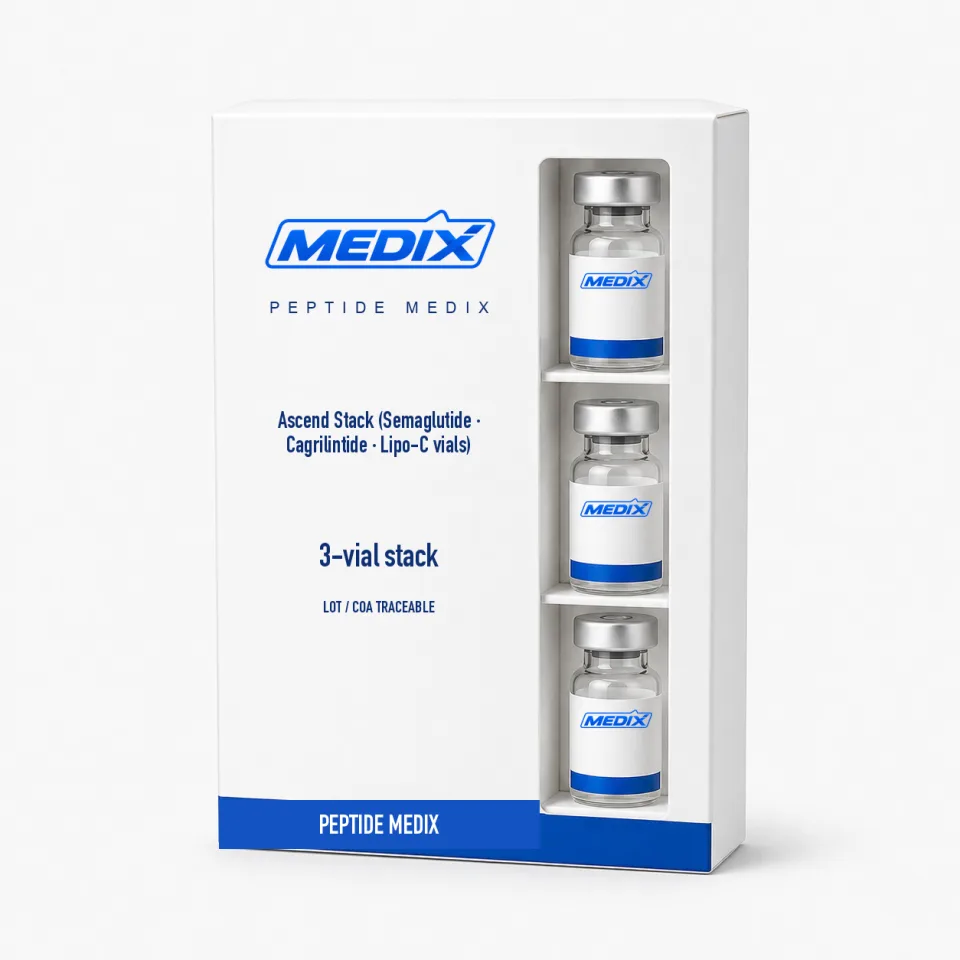
GLP-1 is released from intestinal L-cells and cleared within minutes by dipeptidyl peptidase-4. Semaglutide addresses that instability with an aminoisobutyric acid at position 8 blocking the cleavage site and a C18 diacid linker that binds albumin, extending circulation to roughly a week. Its receptor is expressed in pancreatic islets, the gastrointestinal tract and several central nervous system regions, and its research literature covers glucose handling, gastric emptying and energy balance.
Cagrilintide and amylin signalling
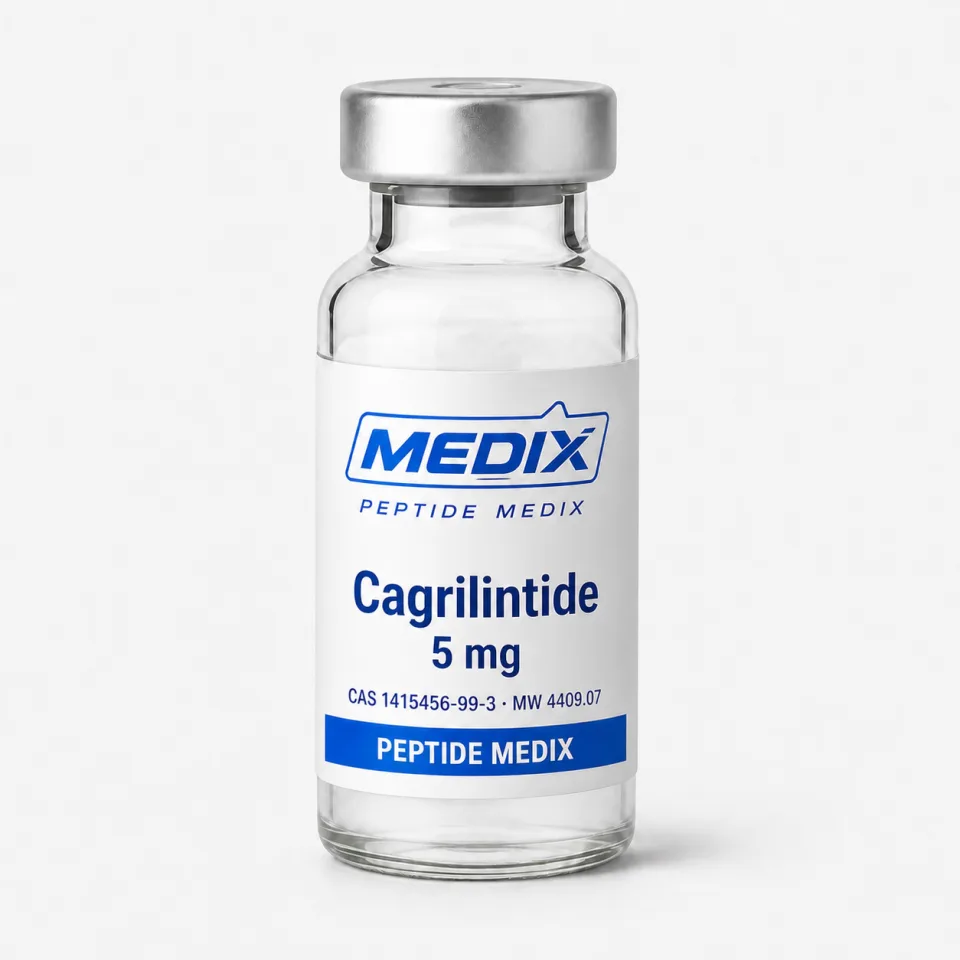
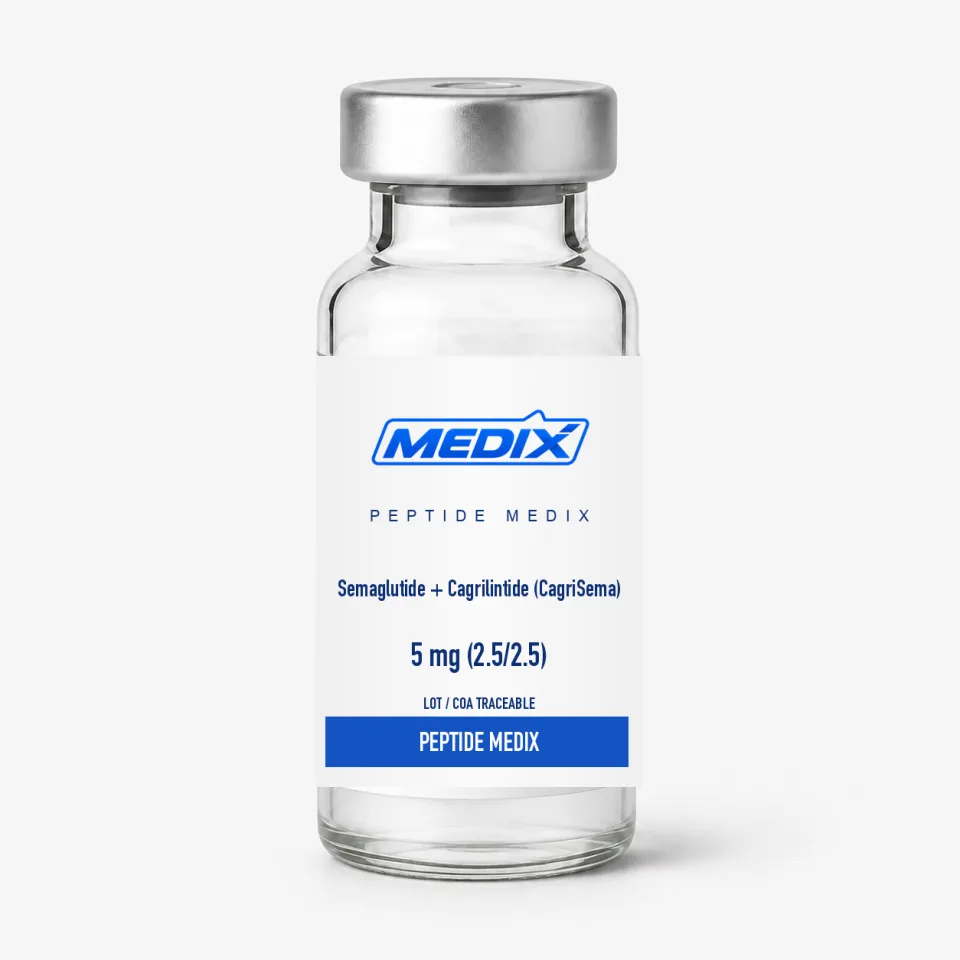
Amylin is co-secreted with insulin from pancreatic beta cells and signals through receptors formed by the calcitonin receptor in complex with receptor activity-modifying proteins. Native amylin's tendency to aggregate limited its research utility; cagrilintide is an engineered, lipidated analogue designed around that problem. Published work has examined its receptor selectivity and behaviour in food-intake and body-weight models. Incretin and amylin pathways reach overlapping brain regions through separate receptors, which is why they are increasingly studied together.
Lipo-C
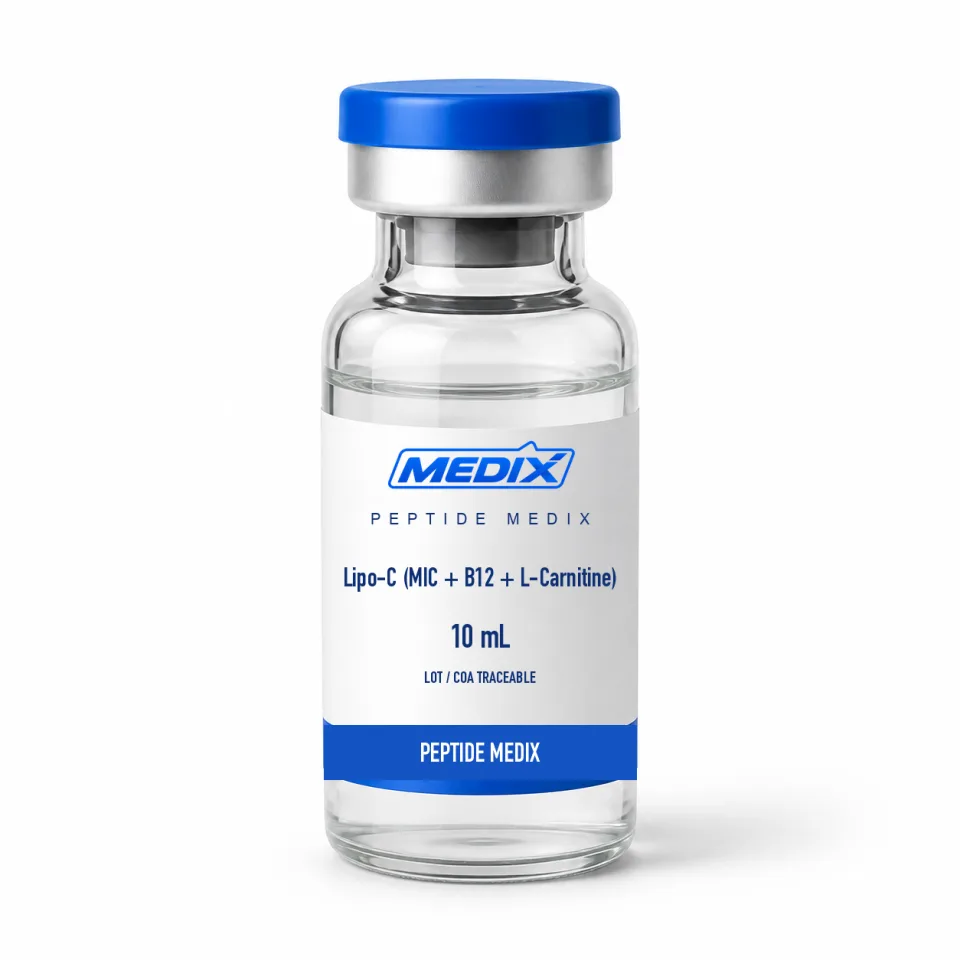
Lipo-C sits outside peptide pharmacology. It is a compounded lipotropic solution: methionine, an essential sulfur-containing amino acid; inositol, a carbocyclic sugar involved in phosphoinositide signalling; choline, a precursor for phosphatidylcholine and acetylcholine; with cyanocobalamin and L-carnitine, the latter a carrier of long-chain fatty acids into mitochondria for beta-oxidation. Because it is a mixture, it is characterised by its formulation specification rather than by a single molecular weight.
Working with a mixed-format kit
Regulatory position
Semaglutide is an approved medicine in the United States, but this material is research grade and not a pharmaceutical product. Cagrilintide is investigational. Nothing here describes a human outcome or benefit.