Research Overview
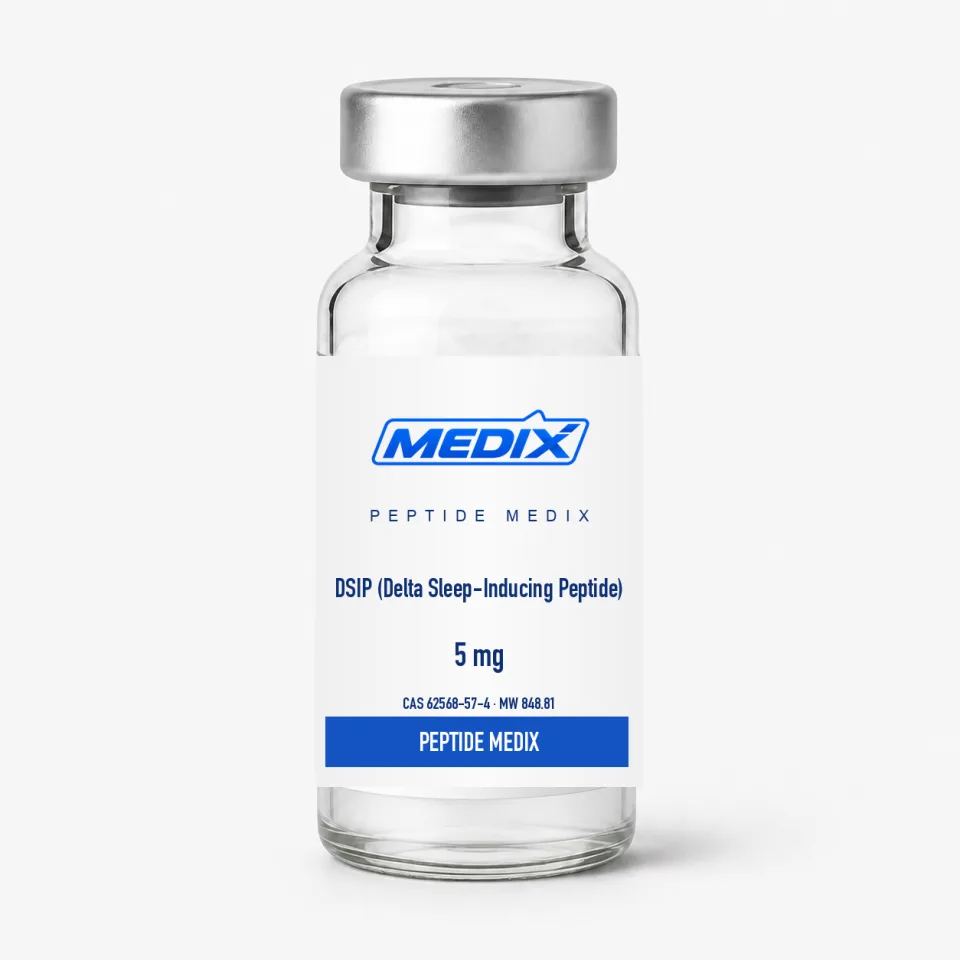
DSIP — the sleep-stage peptide
DSIP was identified in dialysate from rabbits under electrically induced slow-wave sleep and named for the delta-wave activity that followed its transfer to recipient animals. Subsequent work has been mixed: some studies report changes in sleep architecture and EEG spectral power, others find little effect, and the peptide has no confirmed receptor. Its short reported plasma half-life complicates interpretation, and much of the later literature concerns stress, corticotropin and thermoregulation endpoints rather than sleep alone.
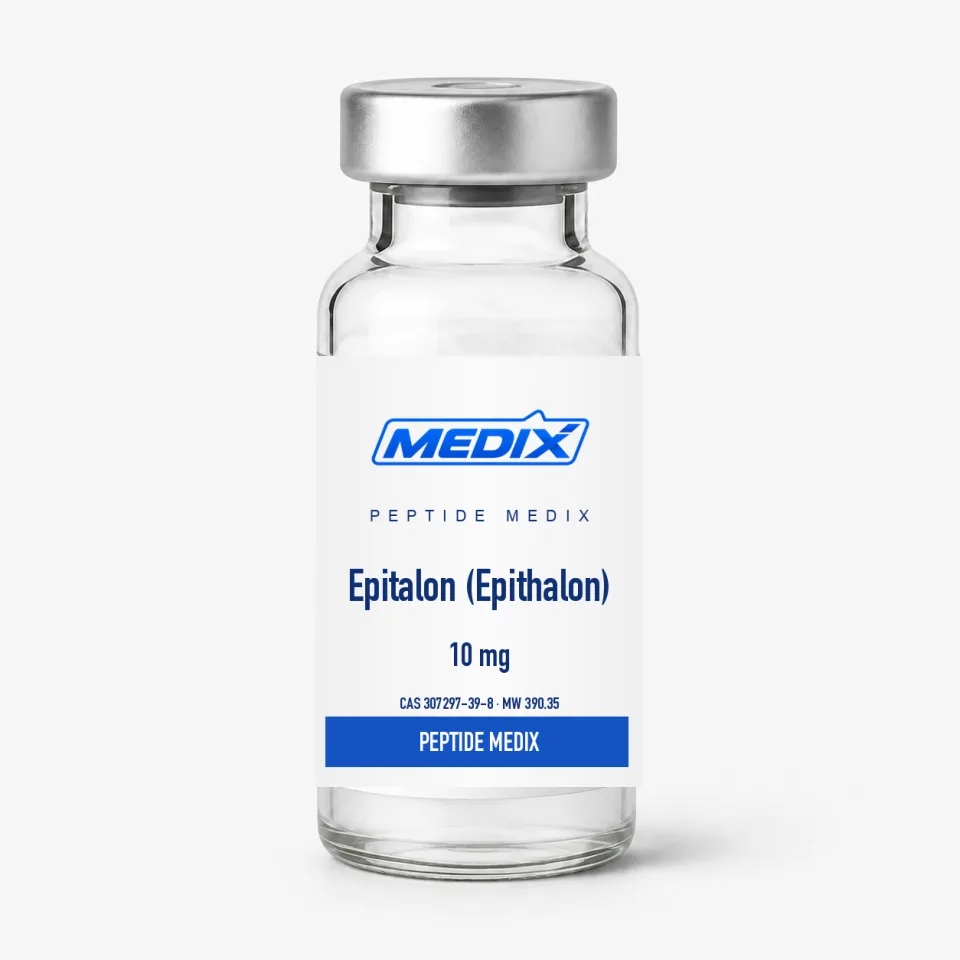
Epitalon — the pineal bioregulator
Epitalon (AEDG) came out of Khavinson's programme on short peptide bioregulators derived from pineal extract. Reported research areas include telomerase expression in cultured cells, circadian melatonin rhythm in aged animals and cellular senescence markers. Most of the primary literature originates from a small number of laboratories, so independent replication is a legitimate concern to note when citing it.
Melatonin — the reference signal
Melatonin is the best characterised of the three: synthesised from serotonin in the pineal gland under darkness, acting through the MT1 and MT2 G-protein-coupled receptors, and used routinely as a phase-shifting stimulus in chronobiology. In a research panel it functions as the positive control against which less-characterised compounds are compared.
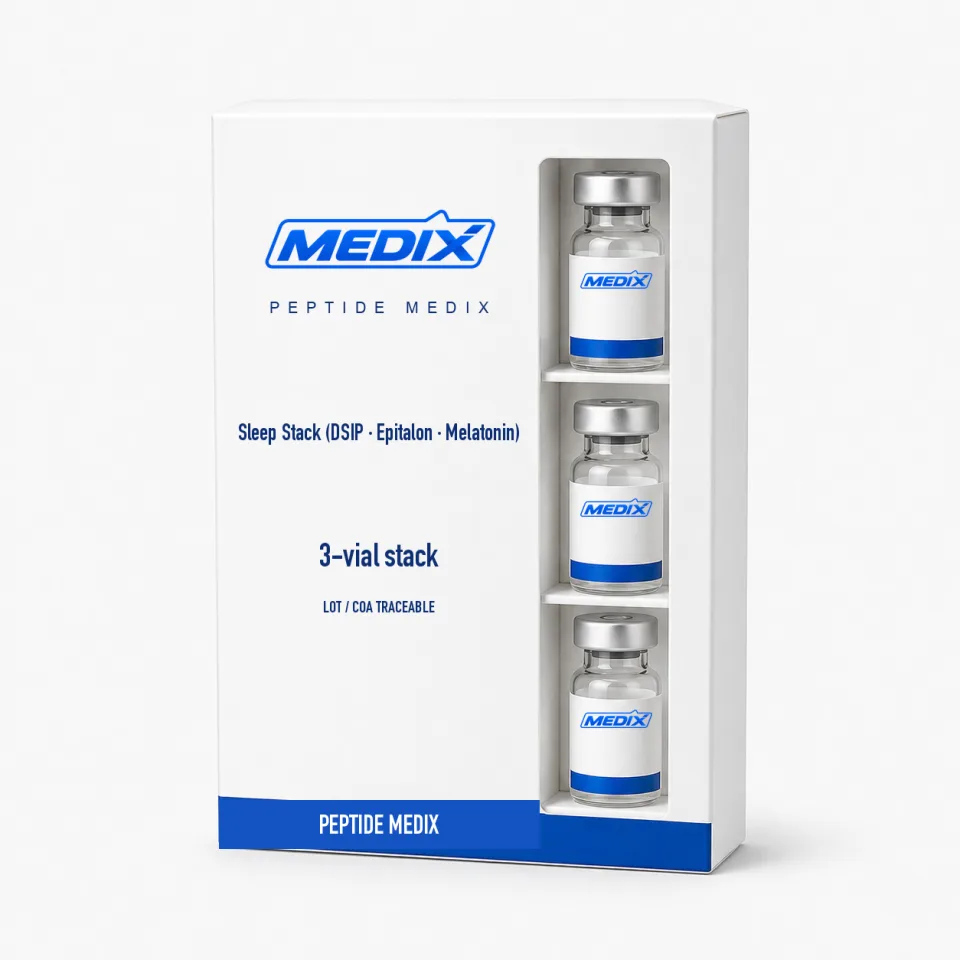
Why they are studied together
- Three distinct entry points — electrophysiological, upstream regulatory and receptor-level
- Melatonin provides a well-mapped comparator with an established phase-response curve
- Separate vials allow single-agent arms and combinations within one study design