Research Overview
Why these two sequences are studied together
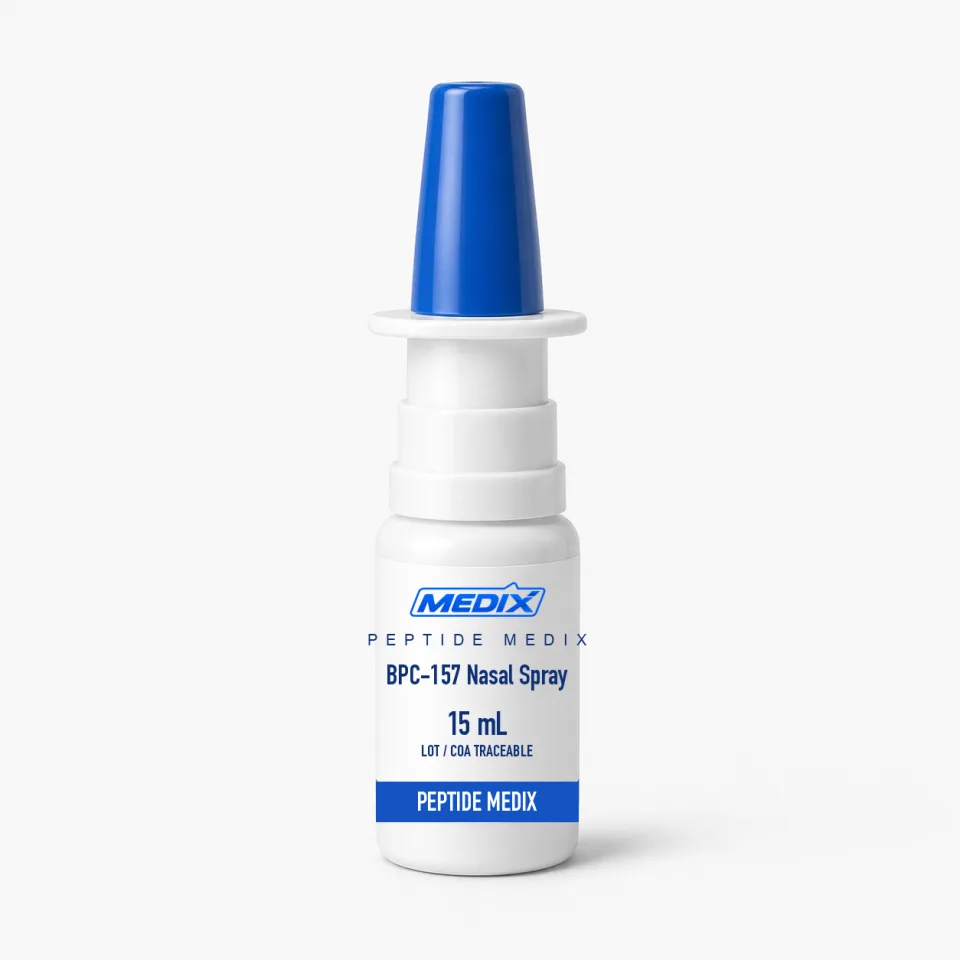
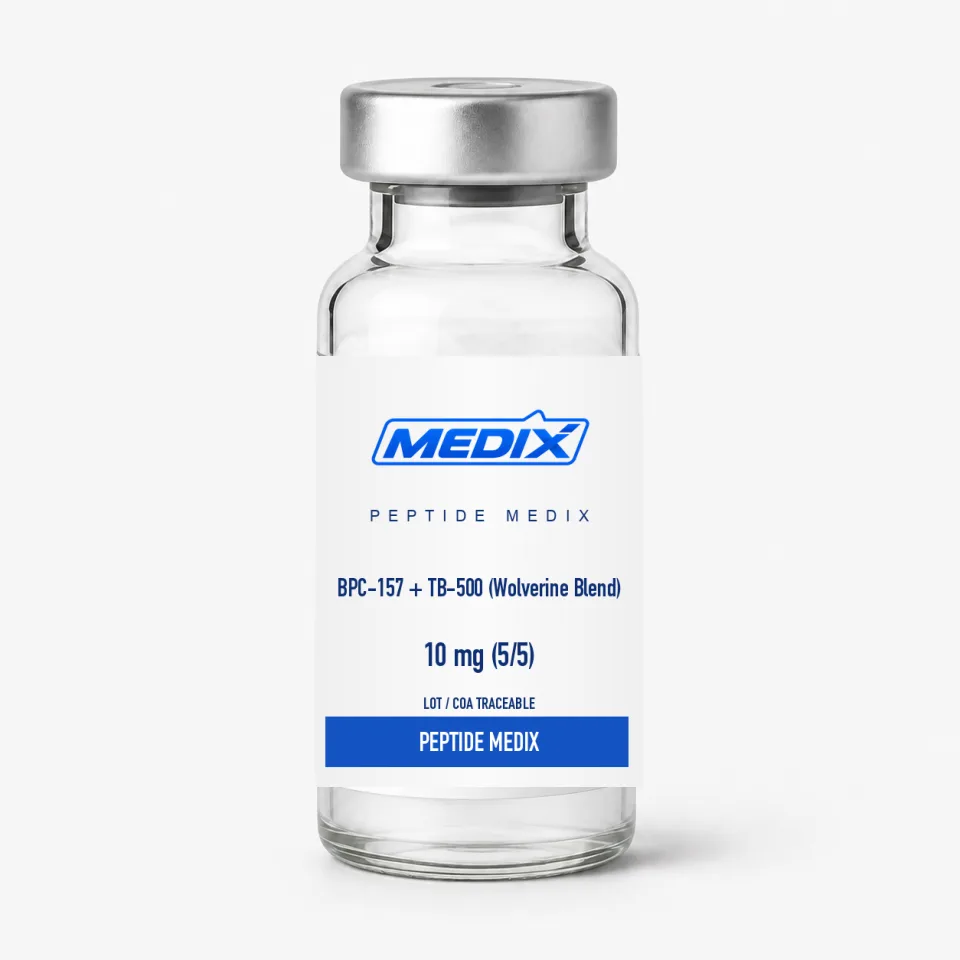
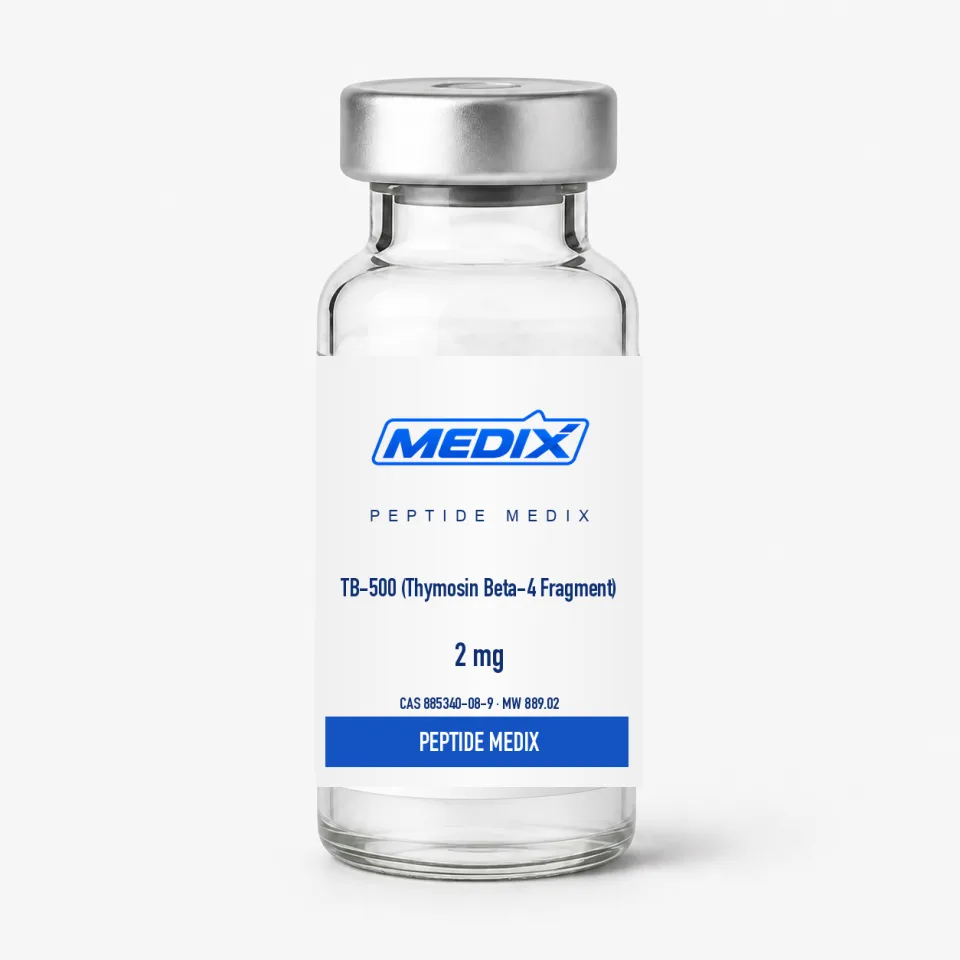
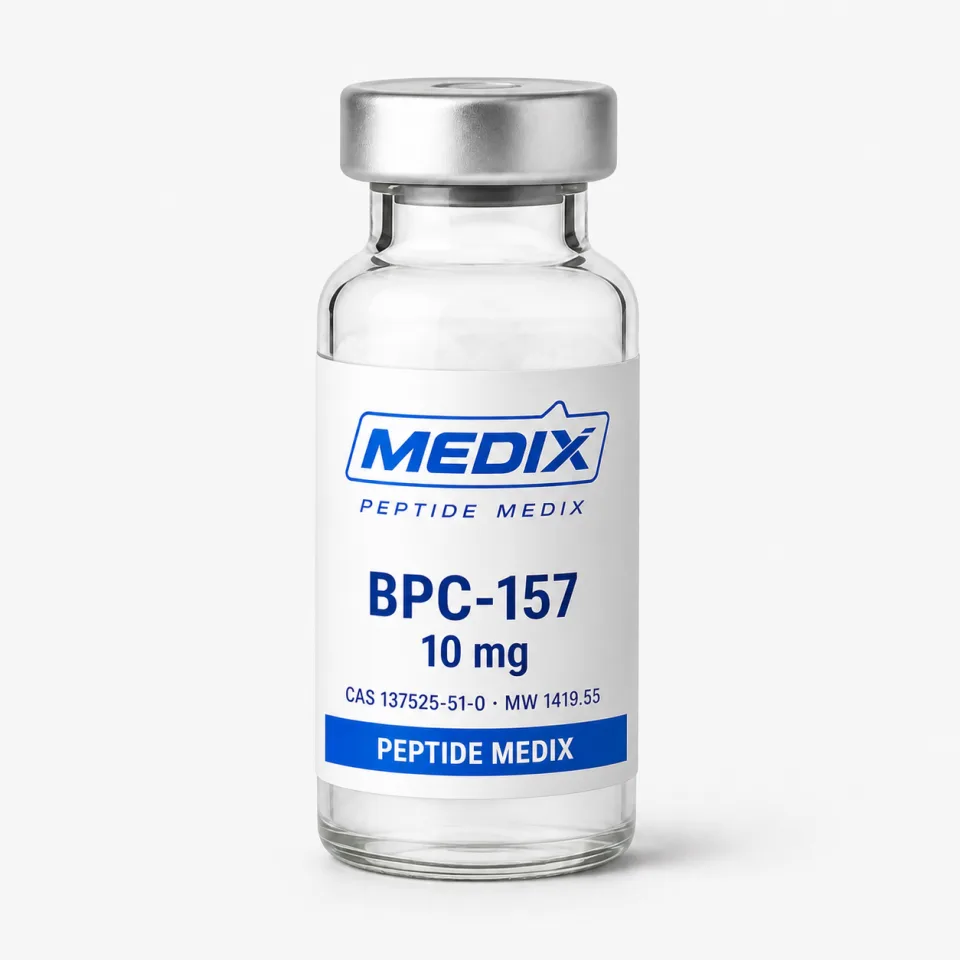
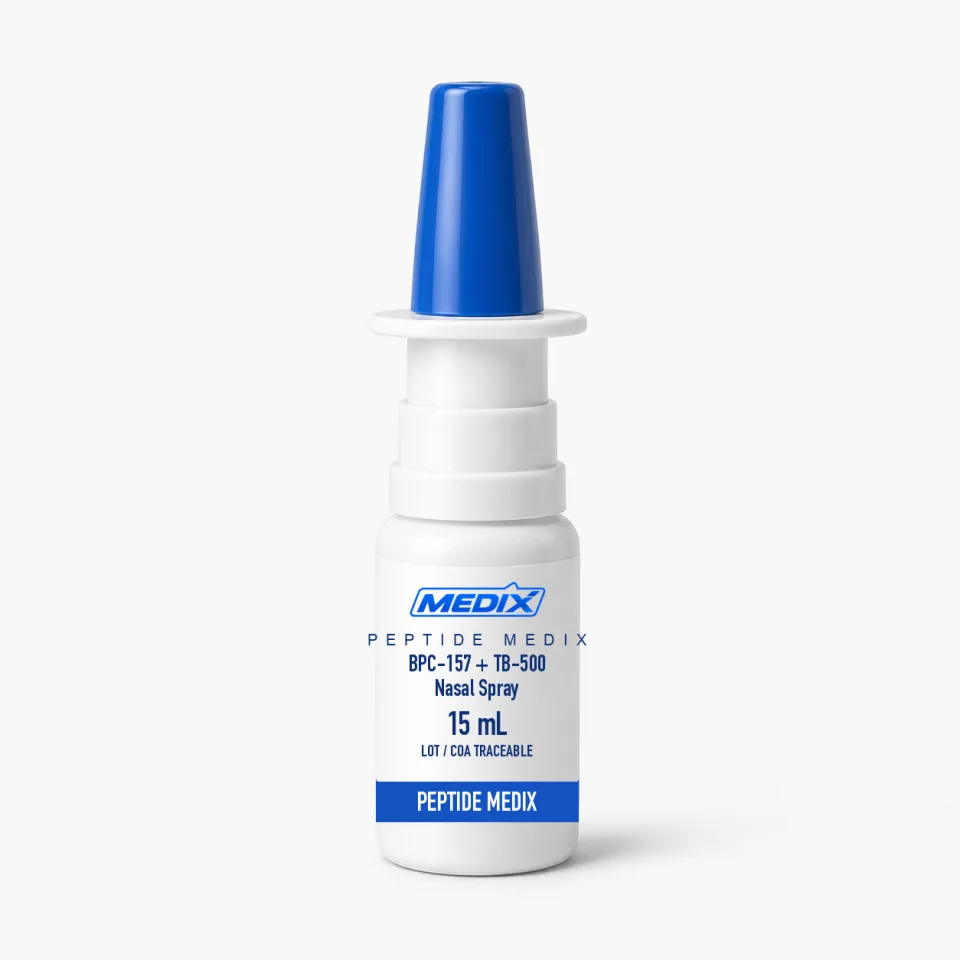
The pairing is not arbitrary. BPC-157 literature describes effects on the nitric oxide system, upregulation of growth-factor receptors including VEGFR2, and fibroblast migration in culture. TB-500 literature centres on a different node entirely: the actin-binding motif of thymosin beta-4, which sequesters G-actin and has been examined in cell migration, corneal and cardiac repair models. Investigators combine them to ask whether two distinct upstream inputs into tissue remodelling produce additive readouts in a shared model, and a fixed-ratio solution removes the variability of preparing each separately.
What the intranasal route changes
Peptides are poorly absorbed from the gastrointestinal tract and heavily cleared on first pass through the liver. The nasal respiratory epithelium is only a few cell layers thick and sits above a dense capillary bed, so intranasal administration recurs in the literature as a route worth measuring. Reported findings generally show faster appearance in circulation than oral delivery, alongside wide inter-subject variability driven by where the plume deposits and how quickly the mucociliary escalator removes it.
Variables a delivery study tracks
- Metered actuation volume, plume angle and droplet size distribution
- Solution pH and tonicity relative to nasal fluid
- Viscosity and any mucoadhesive or permeation-modifying excipient
- Preservative system and its influence on peptide stability across the in-use period
- Actuation-to-actuation consistency from first prime to the end of the bottle
Stability of a two-peptide solution
BPC-157 is unusually robust in aqueous conditions for a peptide; TB-500 is a short acetylated sequence and also holds up reasonably in solution. Neither observation makes a solution equivalent to a lyophilized cake. Hydrolysis and oxidation both accelerate with warmth and light, and because the 30 mL fill implies a longer in-use window, laboratories running extended timelines commonly re-verify each component analytically rather than assuming label concentration holds throughout.