Peptide Medix product catalog

Peptide Medix

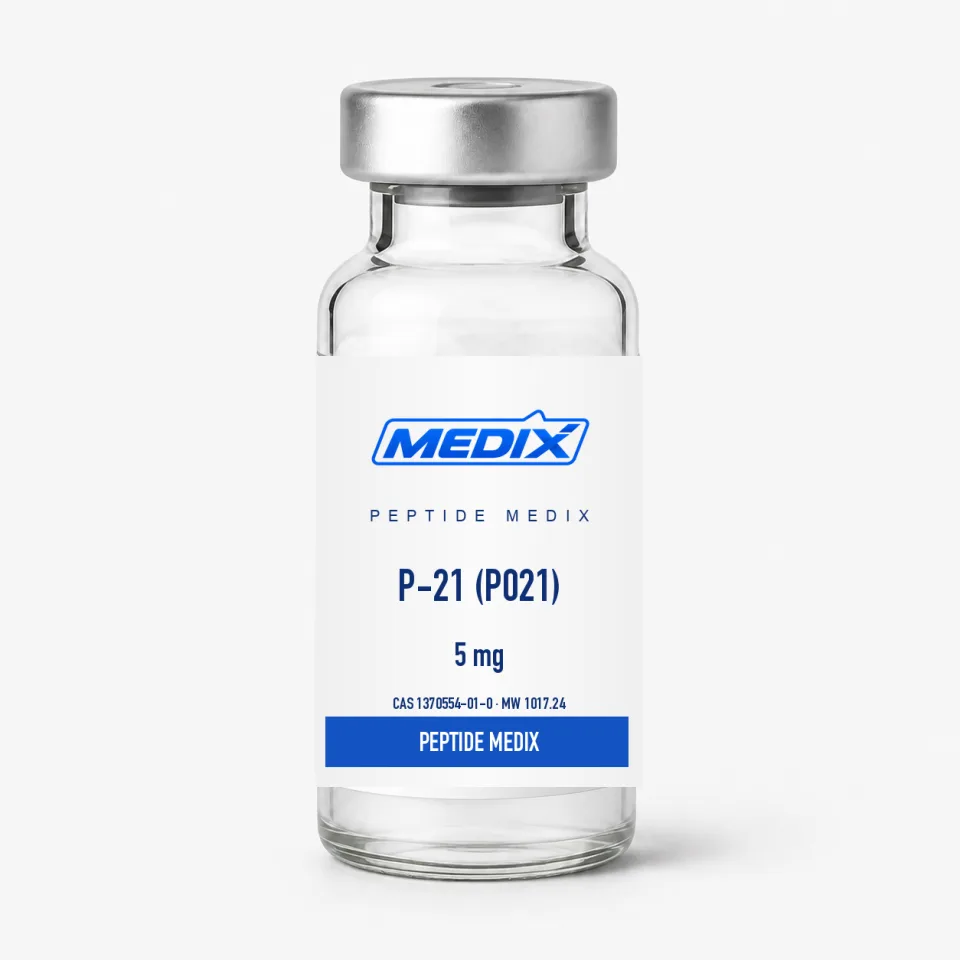
P-21 (P021)

CNTF-derived peptide mimetic studied in neurogenesis and BDNF signaling models

Review catalog details Secure payments
Available to order
$123.00 $145.00 15% OFF
1
Categories: p-21 , p021 , cntf mimetic

Choose your delivery method

Standard Shipping is automatically selected at checkout. Customers can upgrade to a faster delivery option anytime.

Overview

P-21, also written P021, is a small synthetic compound derived from the biologically active region of ciliary neurotrophic factor (CNTF). Rather than reproducing the full 200-residue protein, its designers reduced the active motif to a short tetrapeptide core, acetylated the N-terminus, amidated the C-terminus and attached an adamantane group. Each of those changes serves a practical purpose: blocking exopeptidase cleavage and raising lipophilicity so the molecule behaves very differently from an unmodified peptide fragment.

Specifications

Brand Peptide Medix
Category Nootropic Peptides
Form Lyophilized powder in a sealed glass vial
Purity ≥99% by HPLC; lot-matched COA available
Available size 5 mg
CAS number 1370554-01-0
Also known as P021, CNTF-derived peptide mimetic
Core structure Ac-Asp-Gly-Gly-Leu-Ag-NH2, where Ag denotes an adamantylated glycine residue
Parent protein Ciliary neurotrophic factor (CNTF)
Compound class Adamantylated neurotrophic peptide mimetic
Research areas Adult hippocampal neurogenesis, BDNF and CREB signaling, tau pathology models
Synthesis Solid-phase peptide synthesis with preparative HPLC purification
Solubility Limited aqueous solubility; a co-solvent step is commonly used before dilution
Storage (lyophilized) −20 °C, protected from light and moisture
Storage (in solution) 2–8 °C short term; aliquot and freeze for longer storage
SKU P-21-5-MG

Highlights

  • Synthetic mimetic of the active region of ciliary neurotrophic factor (CNTF)
  • Adamantylated, N-acetylated and C-amidated for protease resistance and lipophilicity
  • ≥99% purity by HPLC with mass-spectrometric identity confirmation
  • Lot-matched certificate of analysis available for every batch
  • Supplied as a 5 mg lyophilized vial, sealed and vacuum-stoppered
  • Studied in adult neurogenesis, BDNF/CREB signaling and tau-model research

What's Included

  • The vial option and size selected above
  • Final item and quantity confirmed in cart
  • Laboratory-research-use labeling

Research Overview

From CNTF to a small mimetic

Ciliary neurotrophic factor supports the survival of several neuronal populations, but as a large protein it is impractical for most experimental delivery routes. P-21 represents the opposite approach: identify a short active motif, then chemically armor it. The acetyl cap, terminal amide and adamantane moiety together give a molecule that resists exopeptidases and partitions far more readily into lipid environments than the parent fragment would.

Neurogenesis endpoints

  • BrdU and doublecortin labeling of newborn cells in the dentate gyrus of mouse models
  • Dendritic complexity and spine density measures in hippocampal neurons
  • Behavioral tasks assessing spatial learning and memory retention in transgenic models

Signaling and pathology markers

Reported mechanistic correlates include increased BDNF expression and CREB phosphorylation, along with changes in markers of tau hyperphosphorylation and synaptic protein levels in animal models of neurodegeneration. Investigators use these readouts to test whether a small mimetic can engage neurotrophic signaling downstream in a way that resembles the parent growth factor.

Practical and interpretive limits

Analytical practice

Identity confirmation matters more than usual here. Commercial listings for P-21 differ in the structural detail they report, particularly around the adamantylated residue, so mass-spectrometric verification against the certificate of analysis should precede any biological work. Where a study compares P-21 with other neurotrophic mimetics, match the co-solvent fraction across every arm including vehicle controls so that formulation does not become an uncontrolled variable.
Handling & Storage

Store the sealed vial at −20 °C, protected from light and moisture, and let it reach room temperature before opening so that condensation does not settle on the powder. Because the adamantane group reduces aqueous solubility, most laboratories prepare a concentrated stock in a compatible organic co-solvent and then dilute into buffer immediately before use, inspecting for precipitate at the final working concentration. Keep the residual solvent fraction within your assay's tolerance. Store stocks as single-use aliquots, avoid repeated freeze-thaw cycles, and record lot number and preparation date alongside your experimental data.

P-21 (P021) FAQ

What is P-21 derived from?
It is a synthetic mimetic based on the active region of ciliary neurotrophic factor. The design reduces the parent protein to a short peptide core and adds an acetyl cap, a C-terminal amide and an adamantane group to resist enzymatic breakdown and increase lipophilicity.
Is a certificate of analysis available?
Yes. Each lot is HPLC-tested for purity and mass-spec confirmed for identity, with a lot-matched COA available on request. This matters more than usual for P-21, since published structural identifiers for the compound differ between suppliers and reference databases.
How is P-21 dissolved for laboratory work?
The adamantylated structure limits aqueous solubility, so a concentrated stock is typically made in a compatible organic solvent and then diluted into buffer just before use. Check the working dilution for precipitation and keep solvent content within the tolerance of your assay system.
What size is available?
P-21 ships as a single 5 mg lyophilized vial. That quantity is sized for in vitro assay panels and small animal studies where the compound is used at low working concentrations from a co-solvent stock.
How does P-21 compare with Dihexa?
Both are small, chemically modified molecules derived from peptide research and both are studied for neurotrophic-type signaling, but their origins differ: P-21 derives from CNTF, while Dihexa derives from angiotensin IV and is described as acting through HGF/c-Met. Laboratories sometimes run them in parallel for that reason.

This catalog listing is for laboratory research use only. It is not represented as a drug, food, supplement, cosmetic or diagnostic product, and it is not offered for human or veterinary use.

Customer Reviews

0 reviews
5 star
0%
4 star
0%
3 star
0%
2 star
0%
1 star
0%

Leave Your Review

Rating

No reviews yet — be the first!

Leave Your Review

Rating

Keep exploring

Related Products & Shopping Guides

Compare P-21 (P021) with relevant categories, product topics, and practical shopping information.

Often researched together

Related research peptides, blends and lab supplies frequently ordered with P-21 (P021).

15% OFF
Dihexa

Peptide Medix

Dihexa

dihexa

2 options

$140.00 $165.00

View options and product details

15% OFF
Semax

Peptide Medix

Semax

semax

3 options

$42.00 $50.00

View options and product details

15% OFF
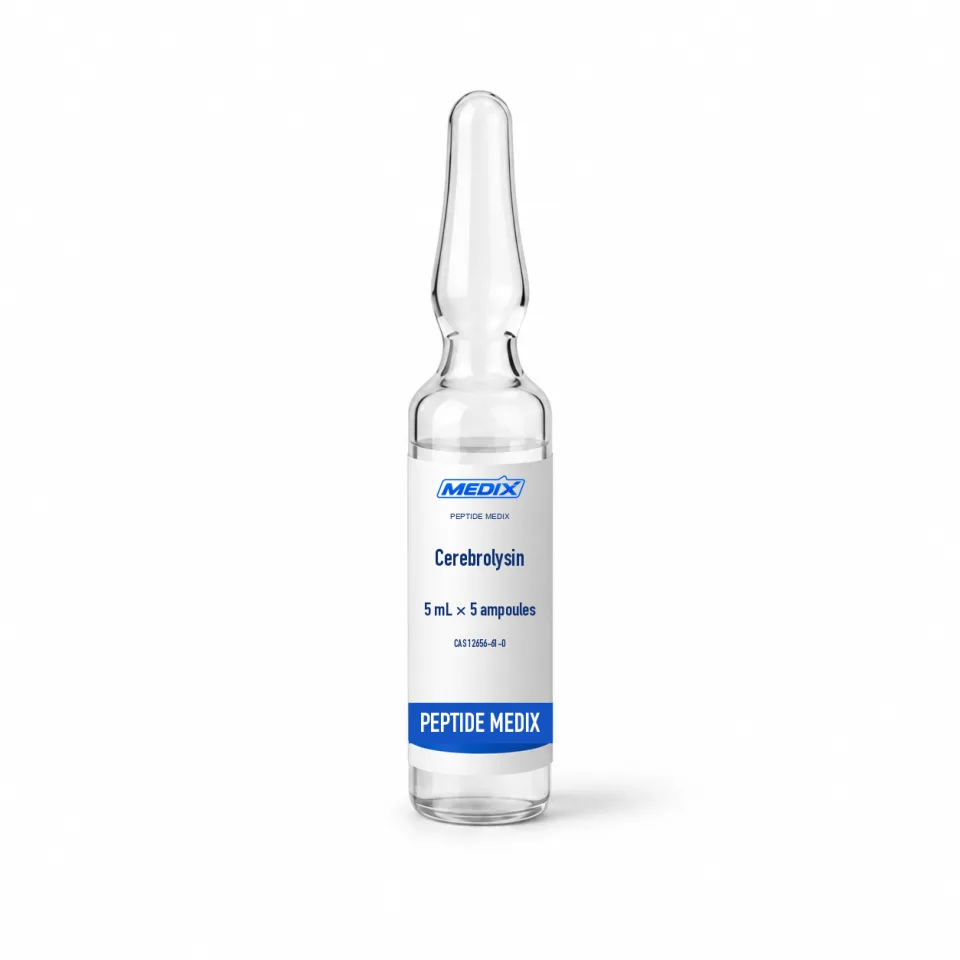
Cerebrolysin

Peptide Medix

Cerebrolysin

cerebrolysin

2 options

$97.00 $115.00

View options and product details

15% OFF
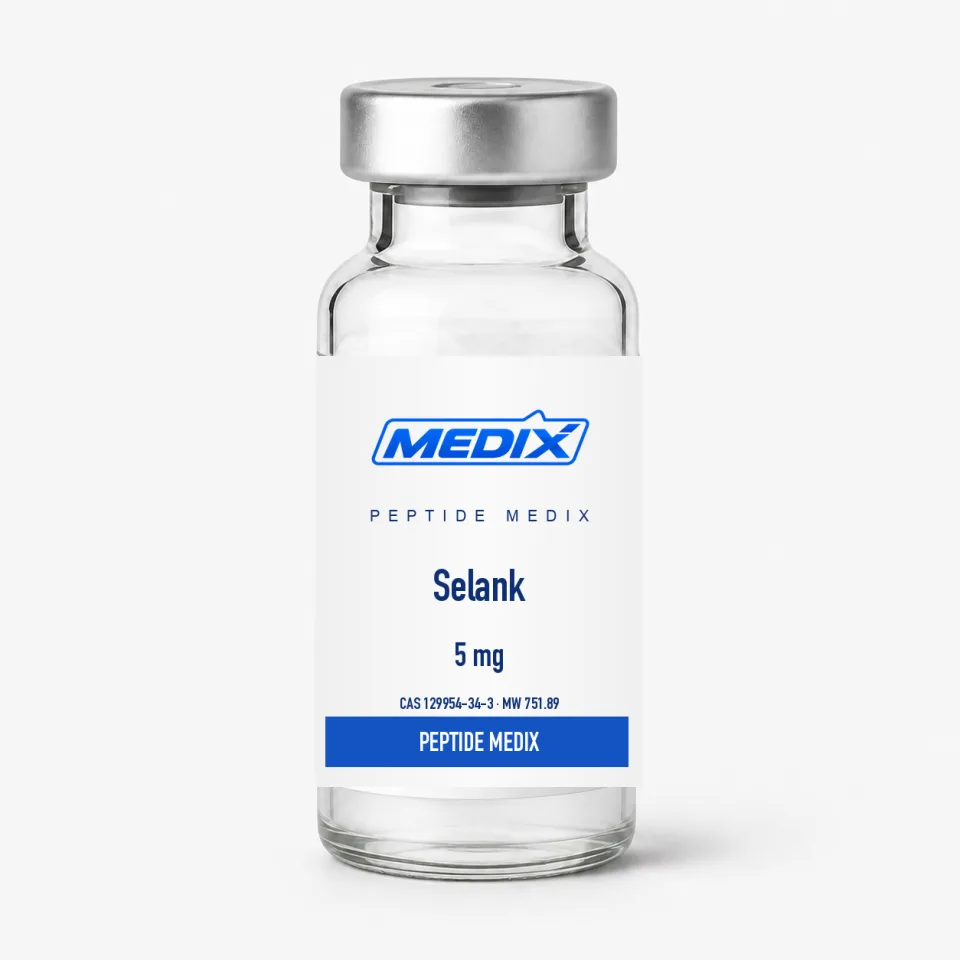
Selank

Peptide Medix

Selank

selank

2 options

$42.00 $50.00

View options and product details

15% OFF
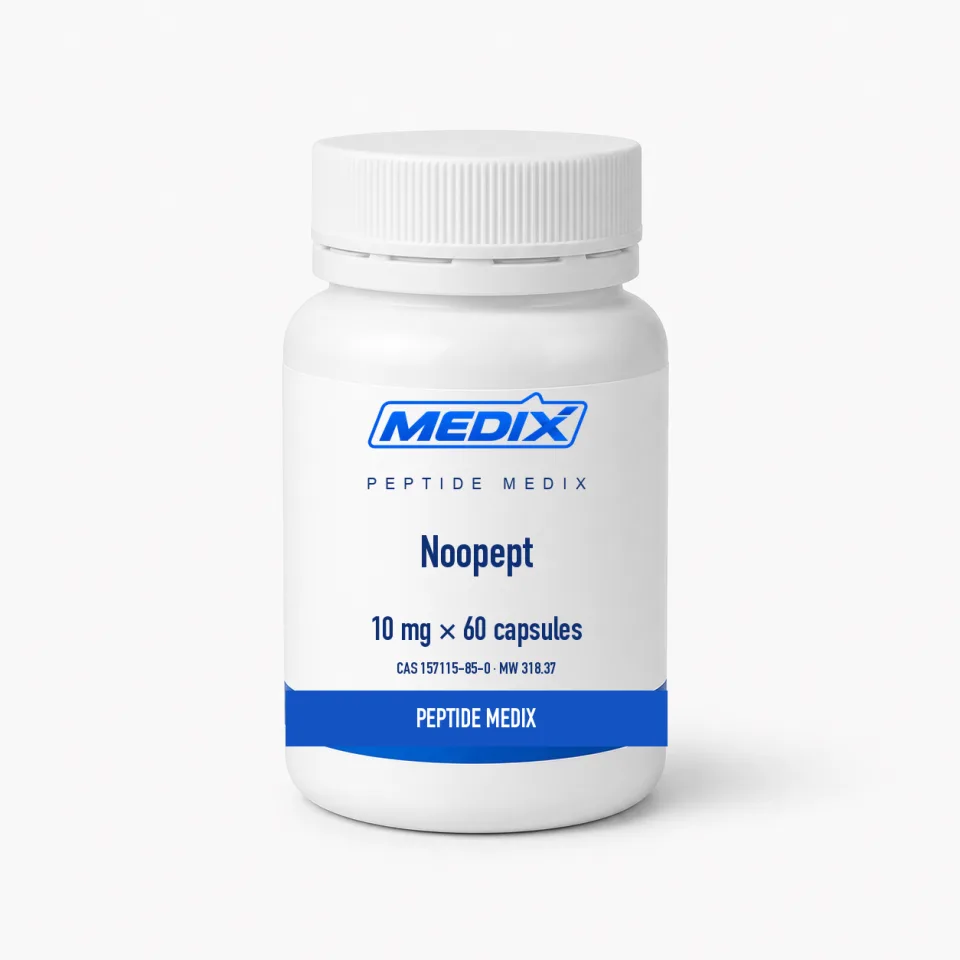
Noopept

Peptide Medix

Noopept

noopept

2 options

$38.00 $45.00

View options and product details