Research Overview
Thymulin and its zinc dependence
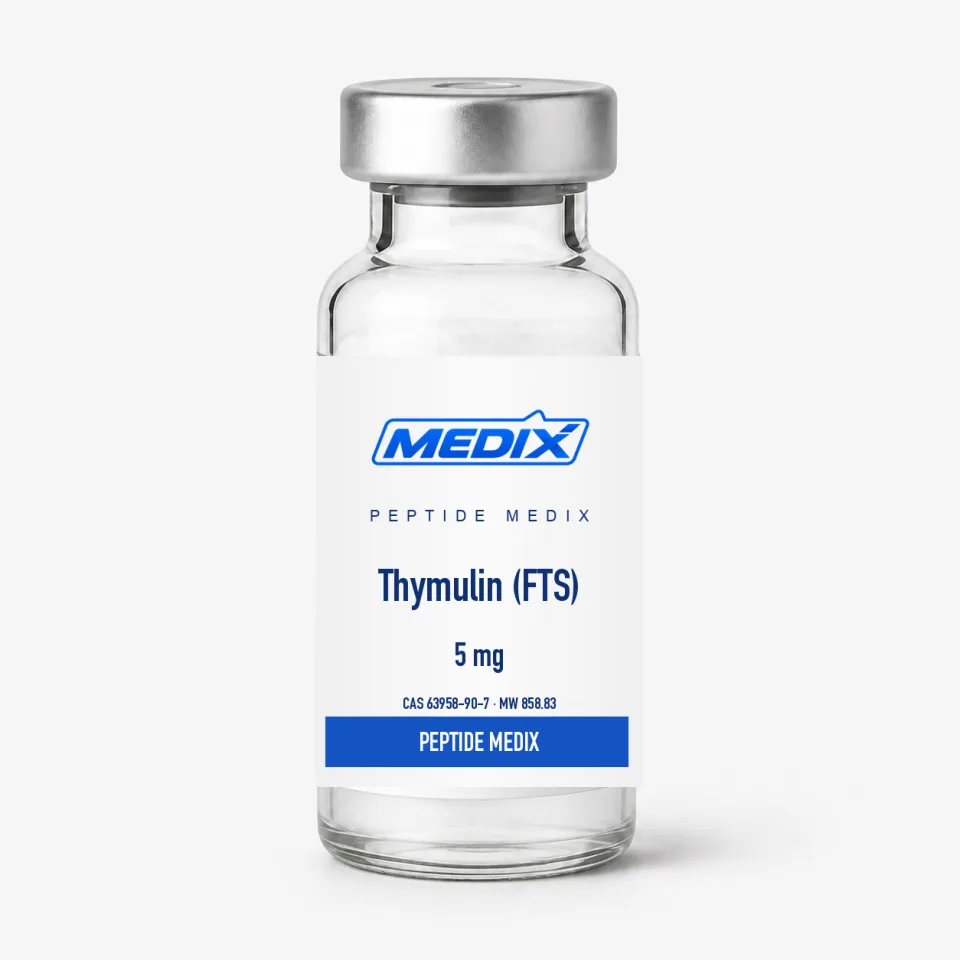
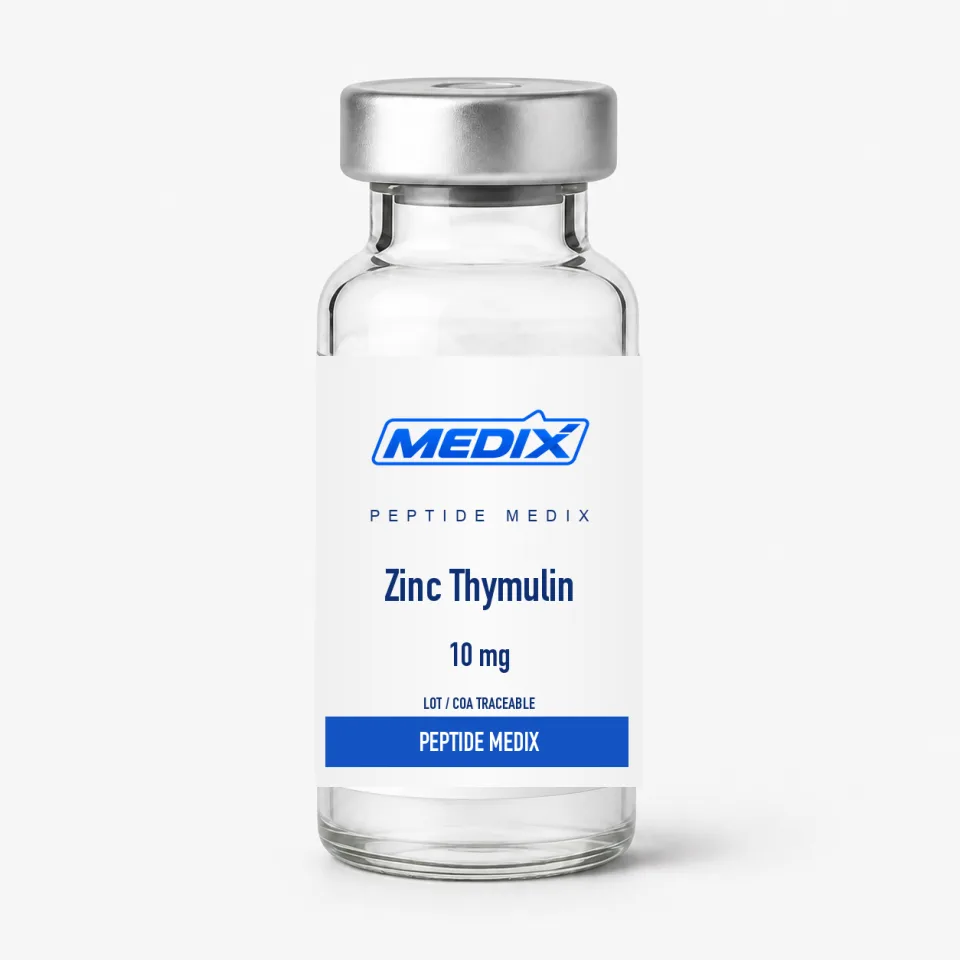
Thymulin is a nine-residue thymic peptide first described in the 1970s. Its distinguishing feature is that biological activity in classical rosette assays appears only when the peptide is coordinated to zinc. Reports of variable potency in early studies were later attributed in part to differing zinc availability, so contemporary work specifies the zinc-complexed form when the active conformation is required.
Immunological research
The peptide has been examined for effects on T-lymphocyte differentiation markers, thymic epithelial signalling and the relationship between zinc status and immune function in animal and cell models. This literature is largely mechanistic and predates most modern immune-peptide work, which is why thymulin is often included as a historical comparator in thymic-peptide panels.
Hair-follicle models
Dermatological interest arose from work applying zinc thymulin to follicle preparations and rodent skin, with endpoints such as growth-phase induction, follicle counts and hair-shaft measurements. Small human topical studies have also been reported. Findings are model-specific and are described in the literature as preliminary rather than established.
Practical considerations for the complex
Because activity depends on the metal, buffer choice matters: chelating agents such as EDTA, and media rich in competing metal binders, can pull zinc away from the peptide. Studies that intend to test the active conformation typically report zinc content or confirm complexation, and include an apo-peptide arm as a control where feasible.
Material and analysis
The peptide portion is made by solid-phase synthesis with an N-terminal pyroglutamate and purified chromatographically before complexation. Lot release covers HPLC purity and mass confirmation of the peptide; net peptide content and counter-ion data on the certificate should be used when normalising stock concentrations.