Peptide Medix product catalog

Peptide Medix

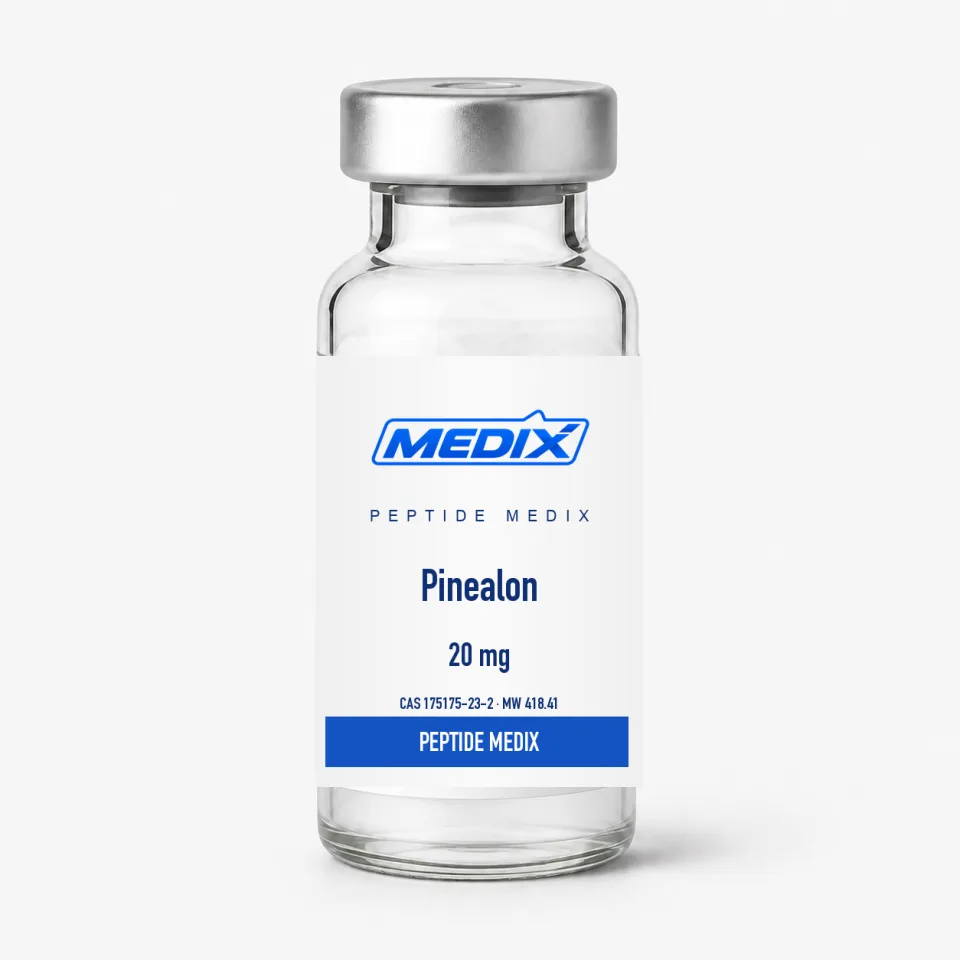
Pinealon

Glu-Asp-Arg (EDR) short-peptide bioregulator used in neuronal research models

Review catalog details Secure payments
Available to order
$63.00 $75.00 15% OFF
1
Categories: pinealon , edr peptide , khavinson peptides

Choose your delivery method

Standard Shipping is automatically selected at checkout. Customers can upgrade to a faster delivery option anytime.

Overview

Pinealon is a synthetic tripeptide with the sequence glutamyl-aspartyl-arginine (Glu-Asp-Arg, or EDR in one-letter code). It belongs to the family of ultrashort peptide bioregulators developed at the St. Petersburg Institute of Bioregulation and Gerontology, a programme that began with tissue-derived peptide extracts and later moved to fully synthetic analogues built from two to four amino acids. Within that series Pinealon is the sequence associated with brain and pineal tissue preparations, and it is one of the most frequently cited members in the neurobiological literature.

Scientific interest in EDR rests on the proposal that peptides this small can cross cell and nuclear membranes without a carrier and interact directly with double-stranded DNA and histone proteins. Work published by the Khavinson group and collaborators has described sequence-selective binding of short peptides to specific promoter regions and measurable shifts in chromatin condensation in cultured cells. These remain laboratory observations in defined model systems rather than established mechanisms in living humans.

Specifications

Brand Peptide Medix
Category Khavinson Bioregulators
Form Lyophilized powder in a sealed glass vial
Purity ≥99% by HPLC; lot-matched COA available
Available sizes 20 mg
CAS number 175175-23-2
Molecular formula C15H26N6O8
Molecular weight 418.41 g/mol
Amino acid sequence Glu-Asp-Arg (EDR)
Peptide class Khavinson short-peptide bioregulator (tripeptide)
Tissue association Brain and pineal peptide preparations
Research areas Neuronal survival, oxidative and hypoxic stress, chromatin and gene expression, ageing of nervous tissue
Storage (lyophilized) −20 °C, sealed and protected from light and moisture
Storage (reconstituted) 2–8 °C, protected from light; use within the study window
Solubility Bacteriostatic or sterile water; readily soluble in aqueous buffers
SKU PINEALON-20-MG

Highlights

  • ≥99% purity by HPLC with a lot-matched certificate of analysis for every batch
  • Supplied as a 20 mg lyophilized powder in a sealed glass vial
  • Synthetic tripeptide Glu-Asp-Arg (EDR), CAS 175175-23-2, MW 418.41 g/mol
  • Part of the Khavinson short-peptide bioregulator series linked to brain and pineal tissue
  • Investigated in neuronal cell cultures and rodent models of oxidative and hypoxic stress
  • Frequently referenced in chromatin-binding and gene-expression work on ultrashort peptides
  • Stored and shipped from a United States facility

What's Included

  • The vial option and size selected above
  • Final item and quantity confirmed in cart
  • Laboratory-research-use labeling

Research Overview

Structure and origin

Pinealon is the synthetic short-peptide analogue that emerged from studies of pineal and brain tissue extracts (historically termed cytomedines). Reducing those complex extracts to a defined three-residue sequence gave researchers a reproducible, single-molecule tool with a known formula and molecular weight, which is why EDR appears far more often in recent literature than the extracts it replaced.

Chromatin and gene-expression work

Much of the published interest in EDR concerns its reported interaction with nucleic acids. Investigators have used spectroscopic and molecular-modelling approaches to describe how short peptides may recognise particular base sequences in the major groove of double-stranded DNA, and cell studies have reported changes in heterochromatin decondensation and in transcript levels for a small set of genes. These findings are model-dependent and the field is still working out how far they generalise.

Neuronal stress models

Ageing and comparative studies

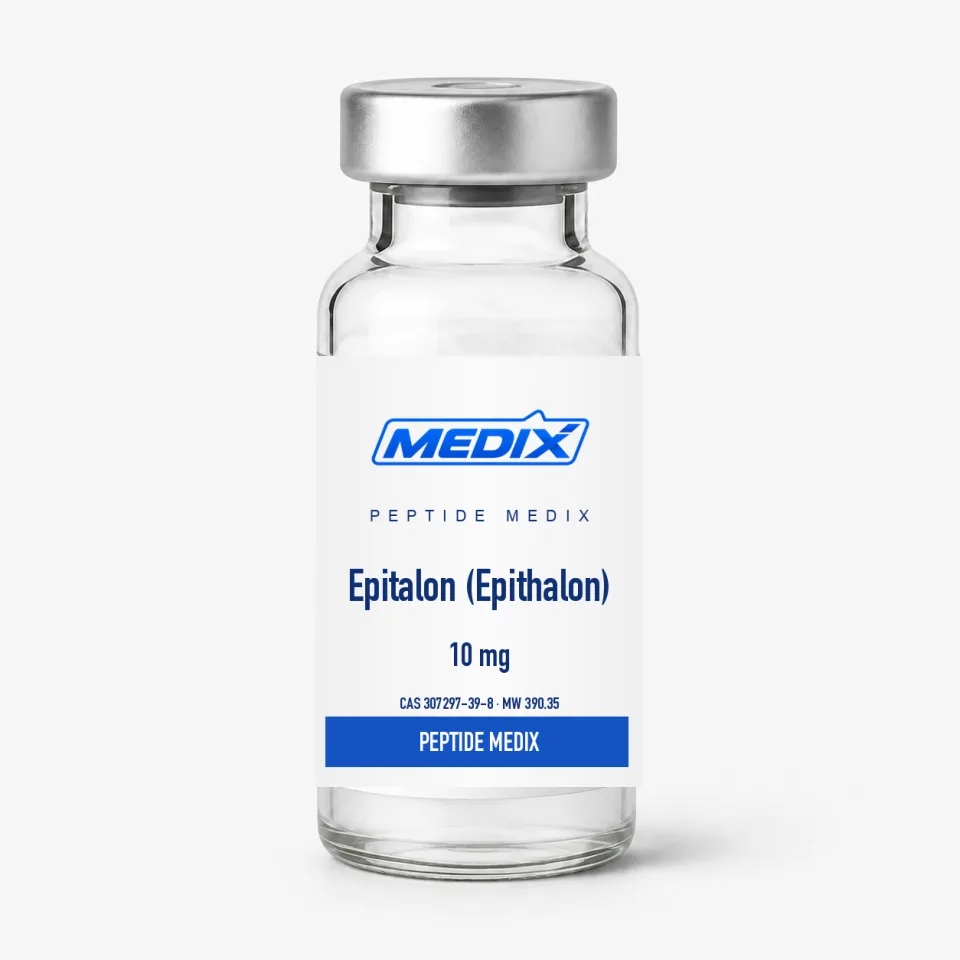
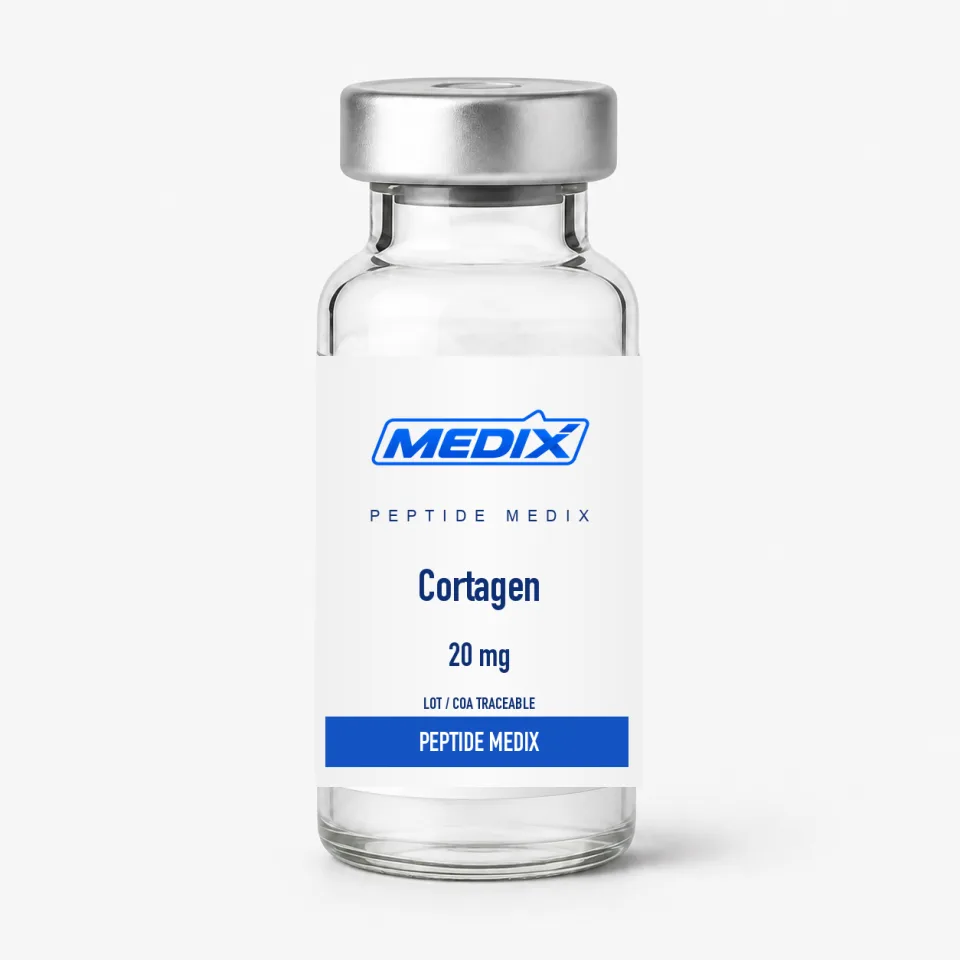
Because Pinealon sits alongside Epitalon, Cortagen, and Vesugen in the same peptide series, several papers compare their effects side by side in the same assay. This comparative design is a common way researchers probe whether the reported tissue specificity of these peptides is real or an artefact of the assay chosen.
Interpreting the evidence

Handling & Storage

Keep the sealed vial at −20 °C, away from light and moisture, until the day of use. Allow it to reach room temperature before opening so condensation does not settle on the powder. Reconstitute by directing a slow stream of bacteriostatic or sterile water down the inside wall of the vial, then swirl gently — never vortex or shake, which can shear peptide and cause foaming. Once in solution, store at 2–8 °C, protect from light, and record the reconstitution date. For longer holds, prepare single-use aliquots and freeze them to avoid repeated freeze-thaw cycles.

Pinealon FAQ

Is the purity independently verified?
Yes. Every lot is tested by HPLC to a ≥99% purity specification, and a lot-matched certificate of analysis is available on request. The COA reports purity, identity confirmation, and appearance for the exact batch you receive.
What does research use only mean?
It means the material is sold exclusively for laboratory research by qualified professionals. It is not approved as a drug, supplement, or cosmetic, and it must not be administered to humans or animals outside a properly authorised research setting.
What size is available?
Pinealon is stocked in a single 20 mg lyophilized vial, which is the standard research quantity for this peptide series. The powder is sealed under vacuum in a glass vial and shipped with tamper-evident packaging from a United States facility.
How should it be stored?
Store the unopened lyophilized vial at −20 °C, protected from light and moisture. After reconstitution keep the solution refrigerated at 2–8 °C and use it within the planned study window. Freezing aliquots avoids repeated freeze-thaw cycles.
What is it usually studied alongside?
Laboratories often run Pinealon in parallel with Epitalon, Cortagen, and Vesugen because all four come from the same short-peptide series and are compared for tissue-specific effects in identical assay conditions.
What solvent is used to reconstitute it?
Bacteriostatic or sterile water is the usual choice in laboratory workflows, since the peptide dissolves readily in aqueous media. Buffer selection depends on the assay, and researchers should confirm compatibility and final pH for their own protocol.

This catalog listing is for laboratory research use only. It is not represented as a drug, food, supplement, cosmetic or diagnostic product, and it is not offered for human or veterinary use.

Customer Reviews

0 reviews
5 star
0%
4 star
0%
3 star
0%
2 star
0%
1 star
0%

Leave Your Review

Rating

No reviews yet — be the first!

Leave Your Review

Rating

Keep exploring

Related Products & Shopping Guides

Compare Pinealon with relevant categories, product topics, and practical shopping information.

Often researched together

Related research peptides, blends and lab supplies frequently ordered with Pinealon.

15% OFF
Epitalon (Epithalon)

Peptide Medix

Epitalon (Epithalon)

epitalon

4 options

$63.00 $75.00

View options and product details

15% OFF
Cortagen

Peptide Medix

Cortagen

cortagen
$63.00 $75.00

View options and product details

15% OFF
Vesugen

Peptide Medix

Vesugen

vesugen
$63.00 $75.00

View options and product details

15% OFF
Semax

Peptide Medix

Semax

semax

3 options

$42.00 $50.00

View options and product details

15% OFF
Bronchogen

Peptide Medix

Bronchogen

bronchogen
$63.00 $75.00

View options and product details

15% OFF
Cardiogen

Peptide Medix

Cardiogen

cardiogen
$63.00 $75.00

View options and product details